
Advertisement


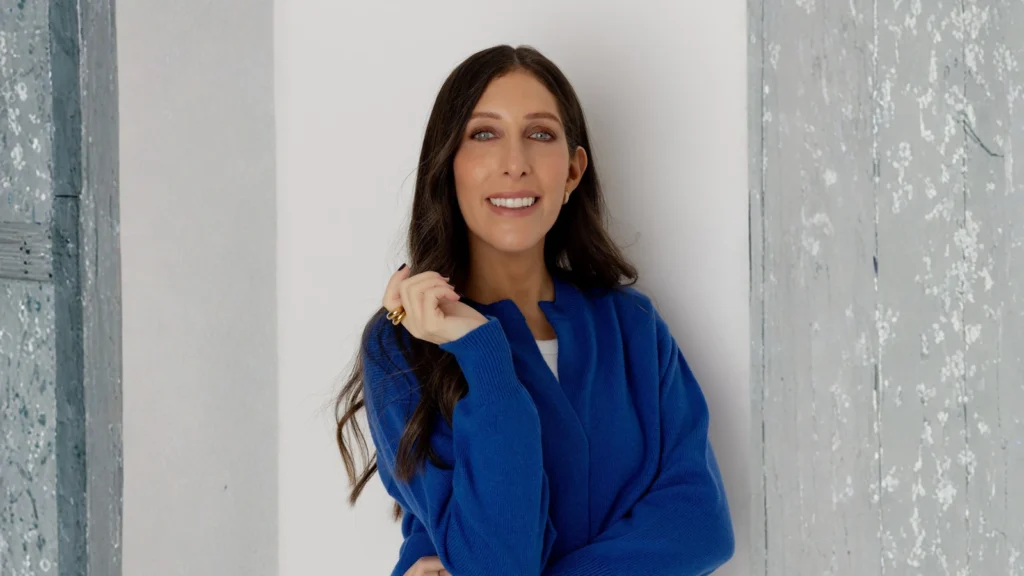
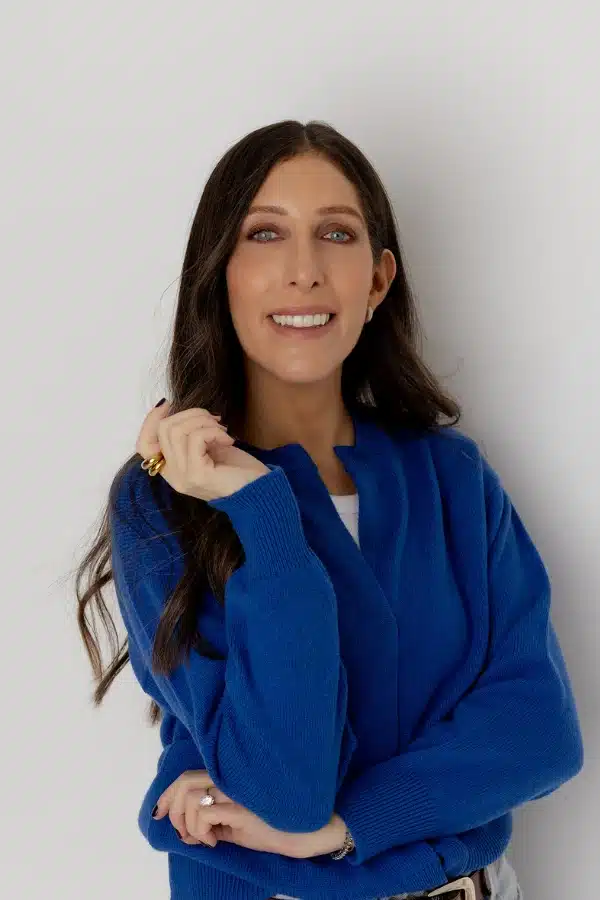
Learn to Love Who Looks Back at You from the Mirror
The most radical thing any woman can do for her appearance has nothing to do with products. Change how you speak to yourself. It sounds simple, but the internal commentary most of us have would be unacceptable if said out loud to someone else. Shifting that voice, even slightly, changes how you hold yourself physically. You look different when your internal voice isn't being so unkind.
I found it incredibly hard to relive my mum's hair loss journey after her breast cancer diagnosis. Reading it out loud in the audiobook brought back so many memories of an impossibly tough time for our family. Talking to her about it during the writing process, she described how losing her hair made her feel as though she'd lost part of her identity. I knew then how important it was to give her a voice in the book. So many people apologise for asking me about beauty products during a health scare. We need to break that taboo. It's okay to think about your reflection during something as overwhelming as cancer. There shouldn't be any shame or judgement in that conversation.
Because of my acne-prone skin, I spent years convincing myself that I had no future as a beauty editor. I'd look in the mirror and think, "Who would ever take advice from you?" We can be so unkind to ourselves. I share a moment in the book where I was having a particularly bad skin day. I went out for a walk, and someone shouted across the road asking if I was "the Beauty Boss." For a split second, I genuinely considered pretending I hadn't heard. Instead, I said yes with a bowed head, apologising for my appearance.
Writing this book asked something entirely different of me than a column ever has. It required looking back on my own life and confronting the different versions of myself that existed at each stage. Old photo albums, diaries, letters I wrote to my parents when I was struggling. It was surprising how much I had forgotten or perhaps edited out in the way we all do to keep moving forward. I want women to finish this book feeling less overwhelmed by the noise and the endless options, and more confident about what works for them and what doesn't. I kept going back to my intention that I didn't want to write a guidebook or a how-to. It's not about looking a certain way or for someone else. It's how we feel when we meet ourselves in the mirror each morning.
Haircare is probably the one category that tends to overpromise and underdeliver. Don't get me wrong, there are some incredible products. But the language around so many can be wildly inflated. "Hair filler," "24-hour volume," "thickening creams" that claim to transform your hair entirely. The reality rarely matches the marketing. Hair is deeply emotional. It's tied to identity, confidence, even health. It bothers me that people in boardrooms understand how easily people will invest when they think something might help. Most products, particularly those you rinse out, don't sit on the hair or scalp long enough to create the structural changes you're hoping for. My advice: get bloods done, look at nutrition, and if needed, see a trichologist.
My skin isn't perfect now but my relationship with it has shifted since that first appointment with Dr Sam Bunting. I no longer trial every product and guess what might work. I have a far better understanding of what to do when my skin isn't playing ball. But more importantly, I now see that you don't have to look a certain way to be credible in this space. I became a far better beauty editor when I stopped feeling like I had to maintain a glossy facade and started being more honest about my personal struggles.
When I started in the beauty industry, diversity and representation were depressingly limited. The progress since has been significant but it hasn't always been genuine. There was a period where "diversity" became a box-ticking exercise. Brands were quick to say they were inclusive, but the reality didn't hold up. Journalists would go into stores and ask for deeper shades, but they either didn't exist in meaningful numbers or weren't stocked at all. Now there are brands that have genuinely shifted the standard, like Fenty, MAC, Lancôme, Lisa Eldridge and Charlotte Tilbury. These brands forced the wider industry to raise its game. But it can still feel performative. Diversity and inclusivity shouldn't be a campaign or a moment. It should be embedded as the baseline.
I am now a mother to two girls, aged three and one. It's made me far more conscious of the language I use and the messages I put into the world. I speak to so many mothers about the minefield of raising teenage girls right now, with TikTok and social media feeding an entirely different level of comparison and scrutiny. I constantly question whether what I'm saying is helpful, or whether it risks adding to that burden.
I'm on the cusp of turning forty and I am far more in tune with the connection between how I feel and how I look. The moments I feel genuinely beautiful now are usually the ones where I'm most at ease in myself. That doesn't mean I wake up feeling amazing every day. But the biggest shift has been moving away from tying that feeling exclusively to how I look.
The most dishonest things the industry tells people? Be wary of words like "miracle," "firming," "lifting," or worse, "Botox in a bottle." And clean beauty, non-toxic, chemical free? Murky, unregulated marketing terms.
If I could guarantee women took one thing from this book, it would be a kinder, more content relationship with their reflection. We spend our lives investing in the relationships with our spouses, our parents, our children, our friends. The relationship that's so often left behind is the one with our own reflection. Think about how most of us duck or wince or fluff our hair over as much complexion as possible because we've been conditioned to believe that caring about our appearance is trivial, unworthy of attention, even vain to acknowledge. When that relationship shifts, it changes far more than just what's in the mirror.
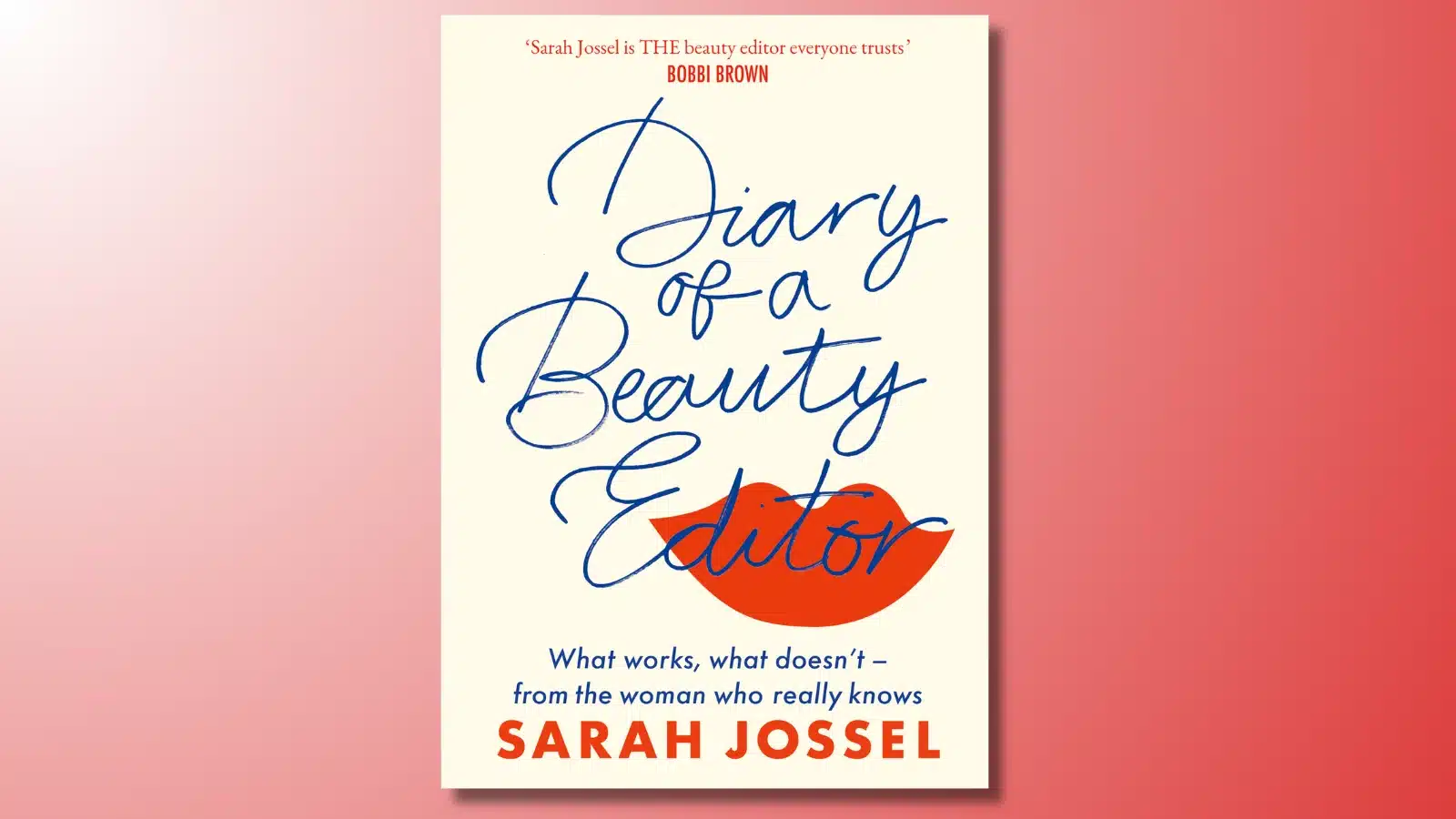
DIARY OF A BEAUTY EDITOR By Sarah Jossel has been just published by Piatkus (as of 14 May 2026) in Hardback, at £20
Advertisement


