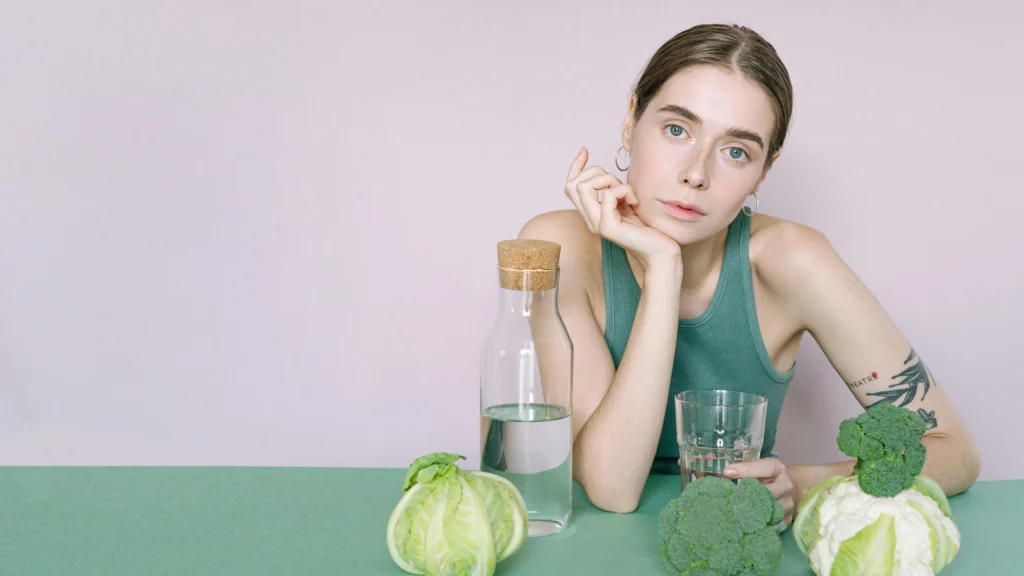
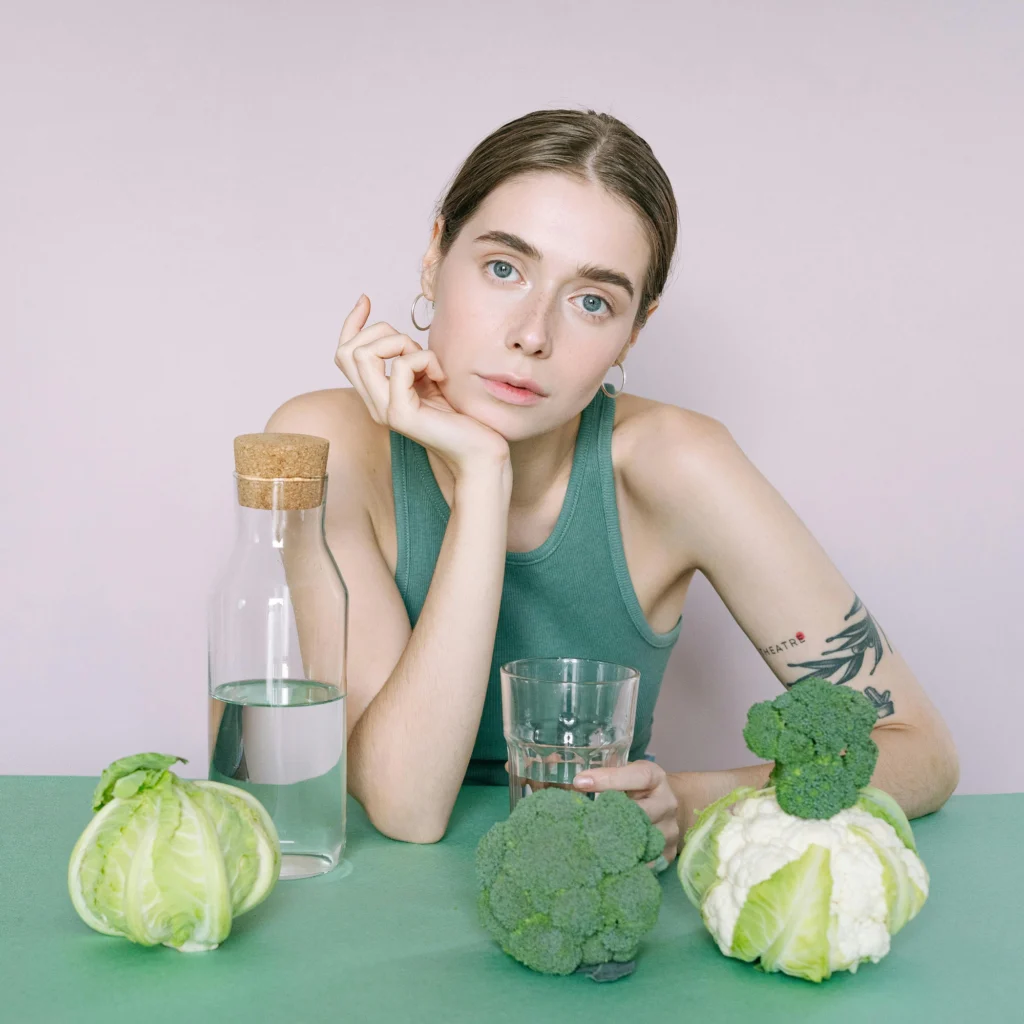
There’s something unsettling in the way the world now talks to young women about their bodies, minds and lifestyles. Swaddled in linen co-ords and matcha froth, arranged in immaculate Instagram grids, it calls itself “wellness”. But what’s really being sold to girls is a bleakly rebranded version of vigilance, scrutiny and anxiety.
Now that I’m 45, and have been through (happily, successful) treatment for breast cancer, I’m certainly interested in wellness - in the sense of not being unwell again. I want to live a healthy life for as long as I can, which means I’m taking sensible, rational steps to do so, such as exercising, eating more veg, drinking less alcohol and getting more sleep.
But 20 years ago, would I have given a flying functional mushroom about wellness? Hell no. I was too busy drinking Smirnoff Ice and dancing to Girls Aloud.
Now, if you scroll through the feeds of teenagers and women in their early twenties, the aesthetic is eerily uniform. Gratitude journals, green powders, sleep scores… What looks like aspiration is often compulsion. Every meal must perform. You cannot simply eat an apple; you must understand its fibre content and glycaemic impact. Even going for a walk must be logged and optimised.
Self-care used to be shorthand for kindness towards oneself: an early night or a long bath. Now it’s just something else to get right (or, more likely, wrong).
We should be honest about the machinery behind this shift. The global wellness industry is worth hundreds of billions. Supplements, tracking devices, powders, programmes and apps all promise that with enough effort you can transcend biology.
Somehow wellness has become an identity, or even worse, a moral code. Of course, women of all ages are not immune to its promises. But, for a young woman still assembling a sense of self, this says that her natural state is inadequate, requiring constant correction. That if she were more disciplined, more mindful, more bio-hacked, she would finally feel calm.
Clearly, anxiety does not recede when fed like this. It multiplies. Girls already grow up under extraordinary pressure. They’re assessed on their appearance, their academic performance, their social lives, their likeability. Add to that the expectation that they must also continually track their hormones, know their gut health, and nail their morning routine, and you have a generation primed for chronic stress.
When they inevitably falter in their pursuit of wellness – which they will, what with being human – they interpret it as personal failure. We need to interrupt this narrative. Not by rejecting health, but by disentangling it from moral virtue.
Rest does not need to be earned through exhaustion. Joy does not need to be justified as “productive”. Bodies change, motivation ebbs, and minds wander. None of this is wrong.