theALLBRIGHT
Advertisement

Nonna Knows Best: Why the Italian Grandmother Is the Ultimate Wellness Icon

By Rosamund Dean
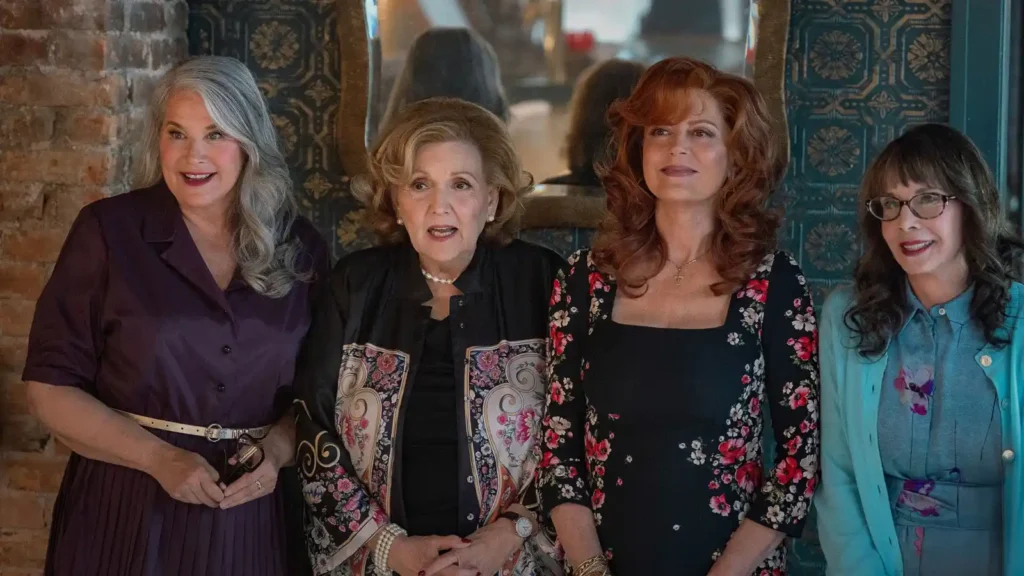
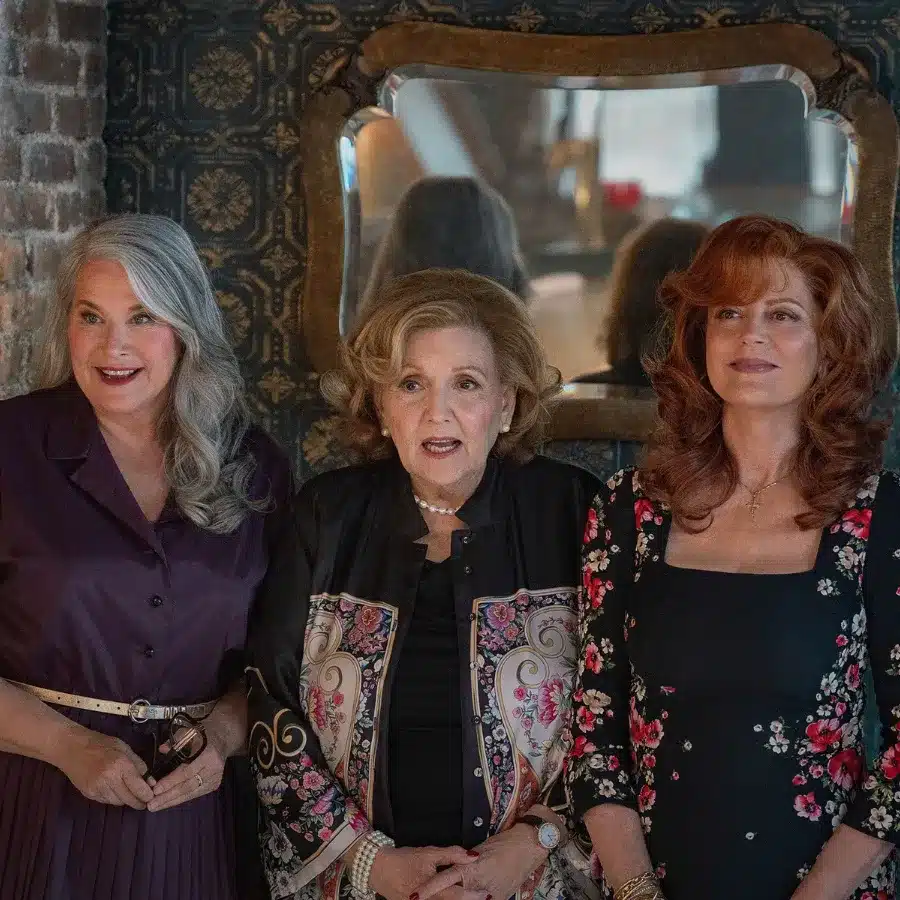
The original nonnas: Lorraine Bracco, Susan Sarandon, Brenda Vaccaro and Talia Shire in Nonnas, 2025. Their slow cooking, strong opinions, and lack of optimisation are apparently the future of happiness.
Photo by Netflix/Everett/Shutterstock
By Rosamund Dean

Nonna Knows Best: Why the Italian Grandmother Is the Ultimate Wellness Icon

Less optimisation. More ragù please

Nonnamaxxing is the social media trend encouraging women to slow cook, take naps, linger over coffee and reject the cult of optimisation entirely. Rosamund Dean on why, after years of wellness culture promising to fix us, behaving like an Italian grandmother might be the most radical thing we can do.

Join the women who read theALLBRIGHT Editor’s Letter every week. Sharp, honest and always worth opening.

There is something very funny about the fact that, after years of wellness culture insisting we biohack ourselves into oblivion, Gen Z has finally landed on the revolutionary idea of behaving like an Italian grandmother. 

This is nonnamaxxing, a social media movement inspired by the habits of Italian nonne. Cooking proper meals, walking everywhere, gardening, taking naps, lingering over coffee and prioritising family over inbox zero. An internet rebrand of the sort of life many grandmothers have been living for decades. 

And yet I understand the appeal. Because modern wellness, for all its promises, has left many of us feeling deeply unwell. We're obsessing about what we eat, pushing our exhausted bodies through gruelling workouts, and distractedly doing mindfulness on a subscription app. I can't be the only person to have meditated while also checking Slack. 

Journalist Manoush Zomorodi makes this case with some force in her brilliant new book Body Electric, arguing that human bodies are simply not designed for modern life. We are wired and tired because our lives are simultaneously stressful and sedentary, busy and empty. The nonna, blissfully unaware of her own optimisation, has been quietly proving this for years. 

We've all been so busy trying to become our best selves, we forgot to notice if life actually feels nice. 

Meanwhile, nonnamaxxing is uninterested in optimisation. The irony is that the habits associated with it are incredibly healthy. Italian lifestyles are linked to longevity for reasons we know well by now: daily movement, strong social ties, home cooking and the Mediterranean diet, consistently associated with better heart and brain health. Sardinia, famously, is one of the world's Blue Zones, regions where more people live to over 100. 

But unlike the aggressively branded world of wellness, nonnamaxxing is not concerned with the mechanics. The point is not that olive oil contains polyphenols. The point is that lunch takes three hours and nobody eats it standing up while looking at their phone. 

“Perhaps nonnamaxxing is more of an attitude...leaning into the idea that good health emerges naturally when life contains pleasure, rest, connection and rhythm. ”

I say this as someone who owns an Oura ring and goes to reformer Pilates twice a week. Nonna would never. While part of me loves the idea of hand rolling my own gnocchi, another part of me thinks I'd be a bit bored. 

Perhaps nonnamaxxing is more of an attitude than a set of rules. I'm interpreting it to mean I can reject the wellness habits I beat myself up for not doing, cold plunging, Hyrox, keto, and enjoy the ones I love. All while leaning into the idea that good health emerges naturally when life contains pleasure, rest, connection and rhythm. 

For years, we've absorbed the message that productivity equals worth, and slowing down equals failure. And you can see why nonnamaxxing has emerged now, specifically. We are living through peak burnout culture. So much of life happens through screens. Many people work jobs that never psychologically end. The line between personal identity and personal branding has become worryingly thin. Even leisure has become productive: podcasts while walking, emails while commuting, life admin during television. We rarely do one thing at a time anymore. 

One of the things I find most appealing about the nonna archetype is that singularity of attention. If she's cooking, she's cooking. She is not simultaneously listening to a self-improvement podcast and replying to WhatsApps. Zomorodi calls this the hidden cost of the digital age. The nonna would simply call it Tuesday. 

We've been sold the idea that we can buy wellness and fulfilment through supplements and self-improvement. But the things humans most need are stubbornly analogue: friendship, sunlight, movement, shared meals, purpose and rest. 

None of this is especially new information. Your grandmother probably knew it already. 

Maybe the modern nonna is not a rejection of contemporary life, but a course correction. I'll be keeping my Oura ring and reformer Pilates classes, while making more time for long lunches, afternoon naps and choosing to read a book, or just gaze out the window, over doomscrolling on the bus. 

The genius of nonnamaxxing is that it exposes how absurd modern wellness has become. After years of being told to track, tweak and optimise, the aspirational figure of 2026 is a woman in comfortable shoes, slow cooking ragù. 

Advertisement
Advertisement
theALLBRIGHT

Get theALLBRIGHT edit – a curated selection of ideas, stories and opportunities shaping modern work and life.

Get the edit
We occasionally partner with brands we think you'll genuinely find useful or interesting. Would you be happy to hear from them too?