Advertisement




Does Community Belong in My Wellness Plan?
For a long time, wellness was something women aspired towards alone. The familiar class booked between meetings, a quick solo walk or a gym session where nobody spoke.
Recently though, something is shifting. The same women who once carved out time for solo practices are finding themselves coming together in groups, and in doing so they’re linking together wellness and community. Run clubs, group outdoor swims, shared frenzy at spin classes, even saunas have become a group activity. And that’s before you get to wellness retreat market, which this year has been valued at $273.15 billion by Research and Markets.
This movement towards community-based wellness is happening at a scale that suggests something deeper is driving things.
As a somatic practitioner, I’ve spent the past 15 years facilitating thousands of women in retreat and workshop settings. One pattern has consistently stood out. Yes, the teaching, structure and practices matter, but the real impact comes from how these women relate to each other.
What I see, repeatedly, is that the most meaningful transformation happens not only within the retreat sessions, but in the times and connections between them. The emotional load, which tends to remain largely invisible for all women, of the ongoing demands of leadership, work, relationships and responsibility feel lighter when they are shared. When women focus on their health together, sharing conversations and shared experiences as they go, I see something settle within them. The body registers familiarity, and in that familiarity, it finds safety. In short, there’s less effort to hold everything together.
In women, this pattern appears to be particularly pronounced. Research into stress responses, including the work of Shelley Taylor, suggests that alongside fight or flight there is another pattern more commonly observed in women, known as ‘tend and befriend’. Humans regulate in response to one another. The nervous system responds to others, often through presence, proximity or touch.
Our physiology is shaped not only by what is happening within us, but by who we are with. This is known as co-regulation, and it explains the sharp rise in community-focused wellness trends that are soaring. According to McKinsey, nearly 60% of consumers who travelled for wellness in 2024 did so again, most often as part of a group, in 2025. And 84% of consumers globally now rank health and wellness as a top priority in their lives. This isn’t just repeat custom, it’s a lifestyle pattern forming, and most often, it’s one that we do together.
What I see is when we feel safe enough to be seen, something begins to reorganise internally. Women leave my shared spaces together feeling stronger, more capable and with greater self-trust. The connection between them is not incidental to that change, it is central to it, because we seek proximity, support and relational safety as a way of regulating stress.
In that context, what we are seeing when women come together to run, practise or retreat is not simply social. It is physiological.
And we aren’t just doing it at home. As Oyogo, a leading advisory partner to wellness tourism sees it, sharing these experiences also brings families together. ‘As longevity moves into the mainstream and global populations continue to age, we’re seeing the rise of the multi-generational wellness traveller. Families are choosing,’ they report, ‘not just for time away, but for time that actively supports how they feel.’ And the data supports it.
By 2030, 1 in 6 people globally will be over 60, according to the WHO, and at the same time, interest in preventative health is reshaping what we want from our travel, which is fundamentally changing how wellness is designed. Increasingly, wellness is being engaged with across generations.
This growing appetite for group-based wellness is not simply a trend; it reflects something more fundamental. If connection is part of how our nervous systems stabilise, then the question is no longer whether community belongs in our wellness plan, but whether we had previously been treating something essential as just an optional extra.
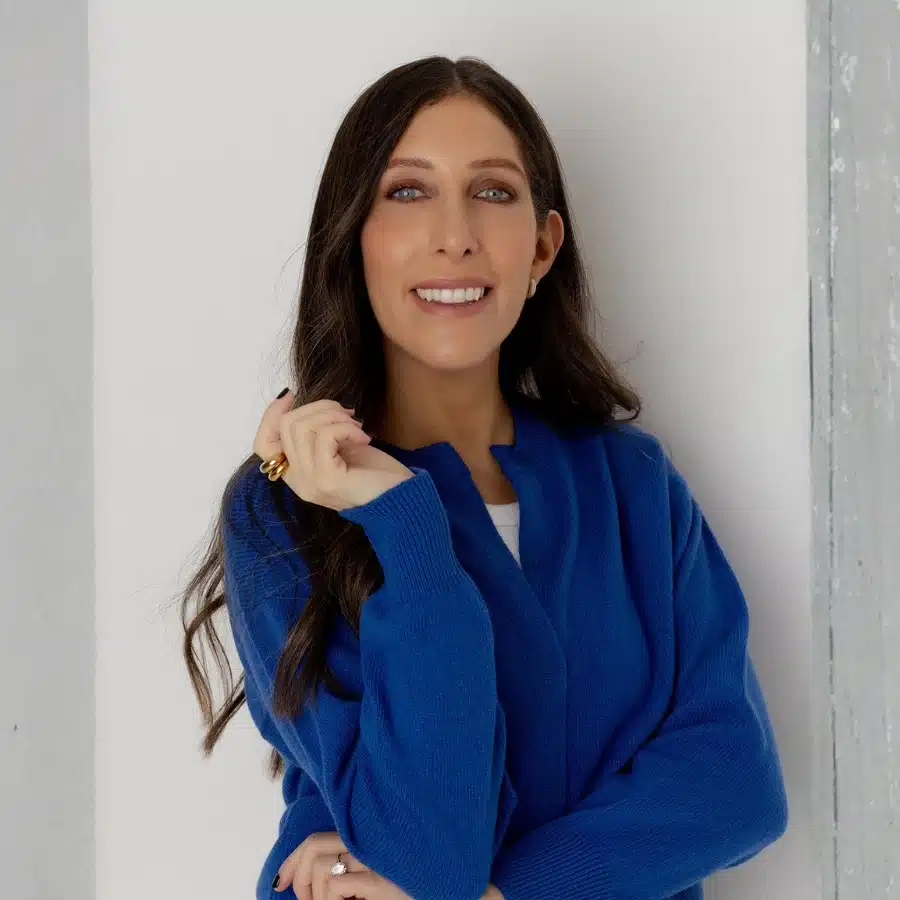
Soulla Demetriou is the author of You Have Always Been Enough (HQ) which is out now in hardback: £16.99.
Find Your Community Wellness Movement
The Body Camp Retreats The shared physical challenge is the point; strangers arrive on a Sunday and leave as a community by the following Friday
Kaliyoga, Andalusia Built around the understanding that transformation transcends the practices; the people are just as important as the yoga itself.
Columbia Hike Society The natural rhythm of walking as a group creates the conditions for digital-free honest conversations.
Black Girls Hike Founded to get more Black women into the outdoors together, the local chapter model means community is built close to home.
GoodGym Combines running with community volunteering, adding social purpose and loyalty that goes deeper than any fitness goal.
This Mum Runs Built specifically around the isolation that can accompany motherhood, includes thriving community hubs.
House of Racquet Padel and community done in style. Covered courts, community-led clubhouse and London's first AI-powered performance analysis.
Outdoor Swimming Society The Society has formalised what wild swimmers already knew: community is inseparable from the experience.
Barry's Bootcamp With 100+ studios across 30 countries, the global community of over 700,000 members is the product as much as the workout.
Advertisement