
Chronic Illness and Work: Why Women Navigate It Alone
Chronic Illness and Work: Why Women Navigate It Alone
Chronic Illness and Work – The Hidden Cost Women Are Paying
There is a particular kind of exhaustion that comes not from the condition itself, but from managing the performance of being fine. The careful calibration of how much to reveal and to whom. The energy spent making sure nothing shows, in meetings, in appraisals, in the ordinary moments of a working day, that costs as much as the illness does, sometimes more.
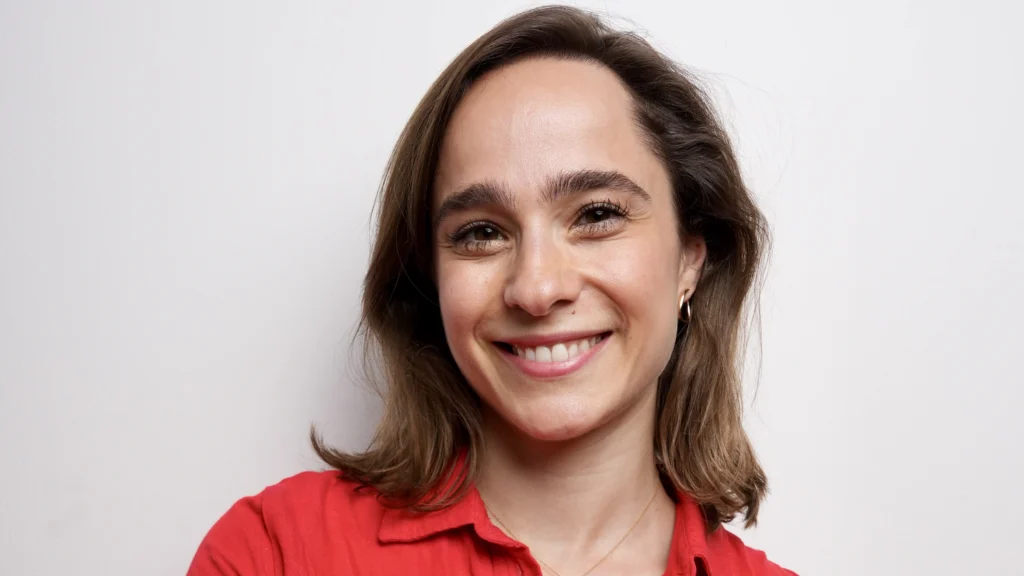
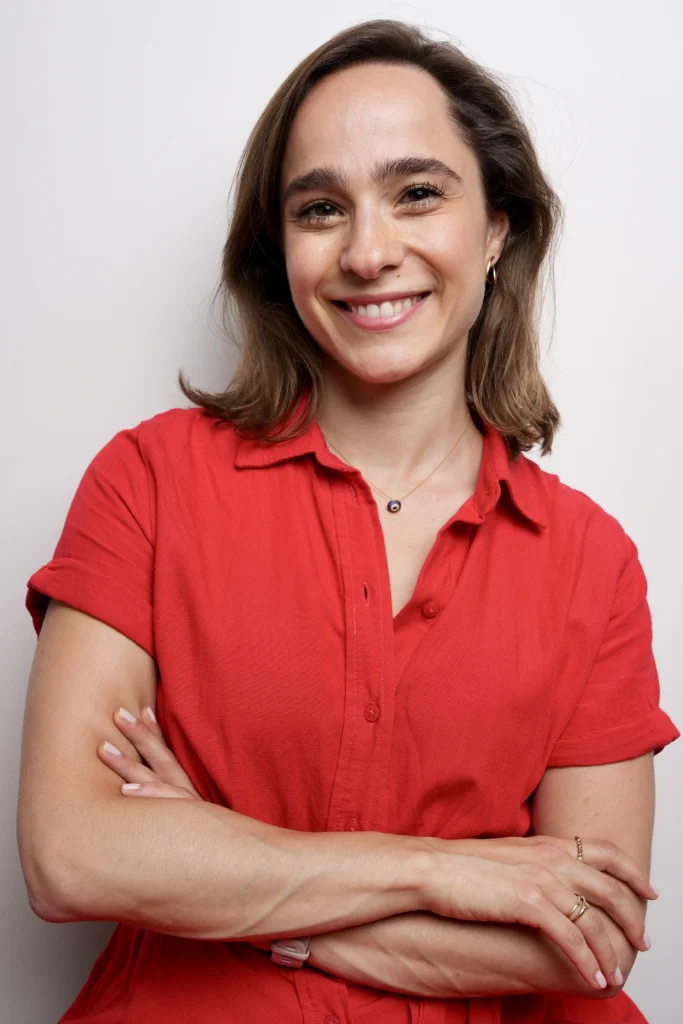
Natalia Kasnakidis knows this exhaustion intimately. Diagnosed at 21 with Hypermobile Ehlers-Danlos Syndrome, a genetic connective tissue disorder that affects joints, skin and the body's structural integrity, she spent years doing what most high-achieving women with chronic conditions do: pushing through, performing wellness, trying to keep pace with a workplace that rewarded presence over performance and had no framework for anything more complicated than that.
"I spent years trying to hide it and get by," she says. "To avoid being passed up for opportunities. But it meant I wasn't able to work in the ways that worked best for me, or perform to my true potential."
The turning point, when it came, wasn't dramatic. It was a recognition, hard-won and arrived at slowly, that the approach wasn't sustainable, and that the game she was playing wasn't one she could win on those terms. "I had to play my own game," she says. "I learned to work smarter, not just harder, rebuilding my health and my confidence at the same time as achieving my career ambitions, and making work actually work for me."
That reorientation eventually led her to found The Limitless Collective, a coaching and support organisation for ambitious women with chronic health conditions and disabilities. It exists, in essence, because when Natalia started talking openly about her own experience, the responses came flooding in, from women who had been carrying similar weight in similar silence, who had assumed they were somehow anomalous, who had never seen their experience reflected back to them in a professional context.
Chronic Health Conditions in the Workplace – How Many Women Are Affected
They are far from anomalous. Half of all women in the UK report having a long-standing health condition. Women spend, on average, 25% more time in poor health than men. The numbers describe not an edge case but a central reality of the modern workforce, one that most workplaces are still, quietly, pretending doesn't exist.
What makes chronic illness particularly complex to navigate professionally is that it rarely presents as a single, stable challenge. It shifts. It flares. It has good days and bad ones, and the bad ones don't always announce themselves in advance. The first difficulty, Natalia explains, is simply the adjustment, to a new way of living, a new relationship with your body, a new set of frustrations and fears and uncertainties that sit alongside everything else you're trying to manage. "There's the fear of falling behind," she says. "Of being passed up for opportunities. Of not being believed. Of wondering whether you'll ever feel like yourself again."
Should I Tell My Employer About My Chronic Illness? The Disclosure Dilemma
And then, underneath all of that, is the question that every woman with a chronic condition eventually has to face in a professional context: do you tell them?
It is not a simple calculation. Disclosure carries risks, of discrimination, of being quietly sidelined, of suddenly being seen through a lens of limitation rather than capability. Not disclosing carries different risks, of struggling without support, of making choices that protect a secret at the cost of your actual needs, of the slow erosion that comes from performing fine indefinitely. There is no universally right answer. What matters, Natalia says, is the environment, whether you are in a workplace that is genuinely willing to listen, adapt and find solutions alongside you, or one where flexibility exists on paper but evaporates in practice.
Workplace Adjustments for Chronic Illness – What You're Actually Entitled To
"Policies like flexible working can be fantastic," she says, "but what's most important is how effectively they're implemented and the reality of how you're supported day to day." The gap between a wellbeing policy and a wellbeing culture is, for many women, where careers quietly stall, not because they lack capability, but because the support that would allow them to demonstrate it fully simply isn't there.
The practical landscape is better than many women realise. Reasonable workplace adjustments are a legal right, not a favour. The Access to Work government grant – still significantly underused, can fund equipment, software and coaching support for people managing health conditions at work. Finding the right organisation, and being specific about what you need rather than waiting to be asked, are things Natalia is direct about. "Get yourself the right support," she says. "You don't have to wait for a diagnosis to start advocating for the way you need to work."
But the weight of this cannot sit with individuals alone, and Natalia is clear on that too. In a workforce where 12.8 million working-age adults live with chronic conditions, the responsibility is structural as much as personal.
Organisations that are genuinely serious about this don't just introduce flexible working, they model it from the top, make it the default rather than the exception, offer benefits like private healthcare that allow women to access support quickly, and create cultures where nobody has to perform wellness in order to feel safe.
The women Natalia works with are, she says, frequently among the most resourceful and driven she has encountered, precisely because they have had to develop ways of working that are intentional rather than habitual, efficient rather than merely busy, sustainable rather than just fast. "Many of them are the ones driving positive change towards a healthier workplace for everyone," she says. "I'd love to see more organisations recognising the unique strengths and perspectives they bring, to teams and to leadership roles."
Women With Chronic Illness and Career Ambitions – A Different Route, Not a Dead End
A chronic health condition is not, she is emphatic, a ceiling. It is not a verdict on what's possible, or a reason to scale back ambition, or evidence of unsuitability for the roles that matter. What it is, what it has been, for Natalia and for the women she now supports, is a different route. Harder in some ways, more circuitous, requiring a kind of creativity and self-knowledge that conventional career paths rarely demand.
But a route, nonetheless. And one that doesn't require navigating alone.
Advertisement

What to read next


