Advertisement
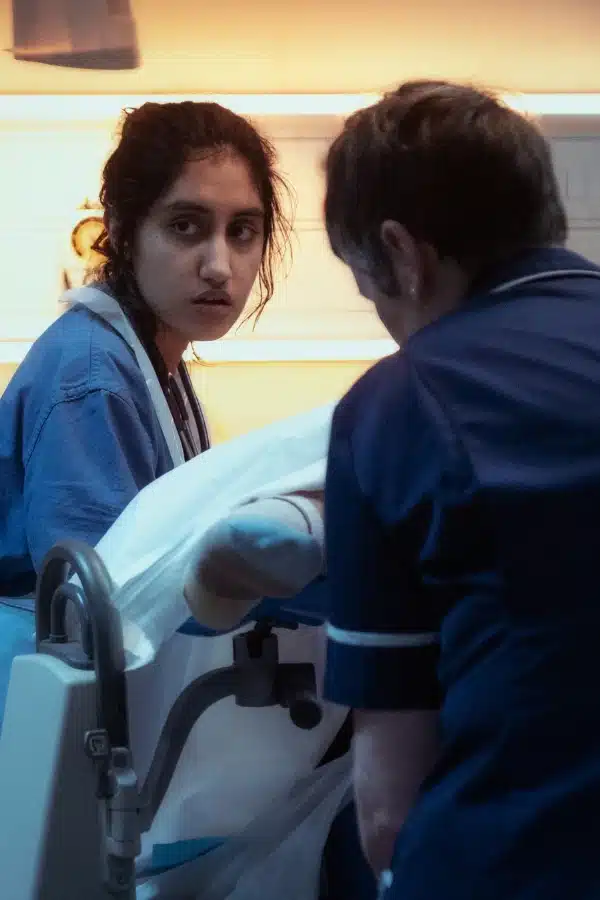
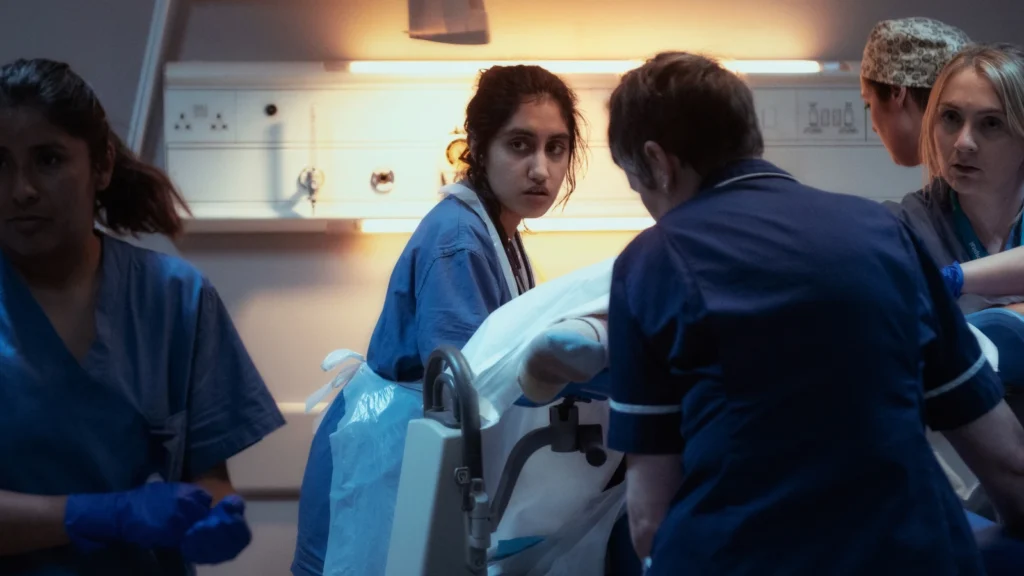
The BBC's This Is Going to Hurt, the medical system is stretched, pressured and not always listening. For many women, that is not fiction.
Photo by BBC/Sister/AMC/Anika Molnar
By Dr Radha Modgil

The Gender Pain Gap: Why Women's Health Is Still Being Dismissed

Your pain is real. It always was.
Women’s pain has been dismissed, minimised and misdiagnosed for decades. Now, with Wes Streeting acknowledging a “culture of medical misogyny” in the NHS and a new Women’s Health Strategy announced, something may finally be shifting. Here, Dr Radha Modgil, theALLBRIGHT’s Wellness Editor, explores why the gender health gap persists, and how the burden of fixing it must stop falling on women themselves.

'It's such a relief to be listened to and taken seriously.' 

To be on the receiving end of these words is a huge compliment, and yet it is one I wish I did not hear as much as I do as a GP. They were the sentiments of a patient in urgent care with abdominal pain, recently diagnosed with endometriosis by a specialist after many years of being passed around different medical specialties, dismissed, ignored or made to feel like she was being difficult. I saw her for a flare of her pain, and could viscerally feel the echoes of her desperation, her struggle, and her relief at finally being referred for further specialist input rather than simply being sent home. 

This is not an isolated story. It is a pattern. And it has a name: the gender health gap. Or more specifically, the gender pain gap.  

As part of the government’s relaunched women’s health strategy, Health Secretary Wes Streeting has described a "culture of medical misogyny, sexism in the NHS and both conscious and unconscious bias" in the health system.  

He is right.  

“In a world of incredible invention and cutting-edge innovation, it is a stark and shameful contrast that when it comes to women's health, we have barely left the starting blocks.”

The gender health gap is a form of discrimination, in which women's pain is either labelled as normal or treated as though it has no significance, impact or relevance. It plays on gender stereotypes. Women's pain is dismissed as hysterical, irrational or emotional. And the findings are not new: this was first highlighted twenty-five years ago in a University of Michigan study that found women were less likely to receive aggressive treatment after diagnosis and more likely to have their pain dismissed. 

In a world of incredible invention and cutting- edge innovation, it is a stark and shameful contrast that when it comes to women's health, we have barely left the starting blocks. 

The evidence is unambiguous. One in ten women in the UK are affected by endometriosis, yet it takes an average of eight years to receive a diagnosis. Women in pain wait longer in A&E and are given less effective pain relief than men. When attending hospital in pain, women are more likely than men to be given anti-anxiety medication. Fifty percent of women report that their pain was ignored, dismissed or normalised. One in four women said no one took their pain seriously, compared to one in six men. 

The impact extends beyond the individual. Women are misdiagnosed, undertreated and face significant delays in diagnosis and treatment. The consequences are financial, emotional and professional. Women living in deprivation, disabled women and those from some ethnic minority backgrounds are the least likely to be heard and the most likely to experience harm as a result. 

“Fifty percent of women report that their pain was ignored, dismissed or normalised and one in four women said no one took their pain seriously, compared to one in six men.”

There are several reasons why this inequity endures. There is a historic lack of medical research into women's specific pain, with women's health research still disproportionately low given that women make up half of the global population. A huge body of medical evidence, including pain studies, has been conducted from a male-as-default perspective. There is also a persistent and significant underlying gender bias in society, and conscious as well as unconscious bias within the healthcare system and among some professionals. 

Of course, the onus for a systemic change should should not be on women themselves. They have been advocating and calling this out for decades. Everyone else needs to step up. 

The government has recently announced a new Women's Health Strategy, with a focus on shorter waits for gynaecology care, being listened to and taken seriously at the first time of asking, fewer painful procedures without informed consent or choice of pain relief, and a mechanism for women to give feedback on their treatment experiences. 

At a healthcare system level, there needs to be transparency and challenge whenever the gender health gap manifests in everyday practice. Mandatory training on women's health and awareness of conscious and unconscious bias must become standard for all healthcare professionals. 

At a societal level, we need to open up the conversation, empower women to call it out and advocate for them both within the healthcare system and in the wider context of the sexism and discrimination that still exists. 

No one is excused from this. 
Advertisement
Advertisement
Advertisement
theALLBRIGHT

Get theALLBRIGHT edit – a curated selection of ideas, stories and opportunities shaping modern work and life.

Get the edit
We occasionally partner with brands we think you'll genuinely find useful or interesting. Would you be happy to hear from them too?