The Most Radical Thing You Can Do with Your Face Right Now

The Most Radical Thing You Can Do with Your Face Right Now
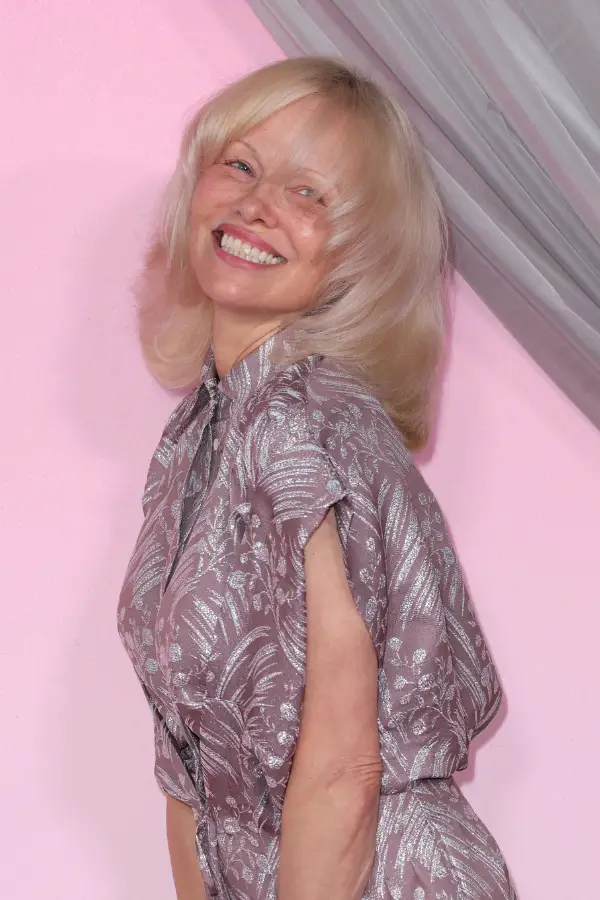
When Pamela Anderson walked red carpets largely makeup-free, the reaction wasn't simply about beauty; it was more about what her appearance represented. Likewise, when Alicia Keys publicly stepped away from makeup, or when Rihanna, a woman whose billion-dollar empire is built on cosmetics, appears increasingly relaxed and undone in public, the fascination extends beyond skincare routines and foundation choices.
These moments feel significant because they arrive at a time when many women appear to be questioning the value of constant self-optimisation. Beauty has long been one of the most visible arenas in which women are expected to perform effort, but increasingly, there are signs of fatigue. The rise of low effort beauty isn't simply about makeup trends or skincare minimalism. It reflects a broader cultural shift away from relentless performance and toward something softer, and perhaps more sustainable.
What makes this shift particularly interesting is that it isn't equally accessible to everyone.
There is a significant difference between choosing not to perform beauty and being perceived as someone who doesn't need to. For some women, showing up bare-faced is interpreted as confidence. For others, it can be read as carelessness, unprofessionalism, or a failure to meet social expectations. Race, body size, age, disability, class and conventional attractiveness all influence who is granted permission to appear effortless.
This is where the conversation becomes more complicated. Low-effort beauty is often presented as a universal liberation, but in reality, some people are rewarded for opting out while others face consequences for doing exactly the same thing. The ability to appear undone and still be perceived positively remains a privilege that is unevenly distributed.
Still, something is changing.
Scroll through TikTok or Instagram and the visual language feels noticeably different from a decade ago. The beauty culture of the 2010s was built around transformation. Full-coverage foundations, sharp contouring, laminated brows and elaborate routines promised a more polished, corrected version of ourselves. Even looks marketed as natural required significant effort to achieve. We were expected to look effortless, but only after investing considerable time, money and energy into creating that illusion.
Today, there seems to be a growing appetite for something less performative. Faces that haven't been blurred into oblivion. Makeup that looks lived in rather than meticulously perfected. Skin that resembles actual skin, instead of filtered. Importantly, this isn't necessarily a rejection of beauty standards. But rather, it feels like a lowering of the stakes.
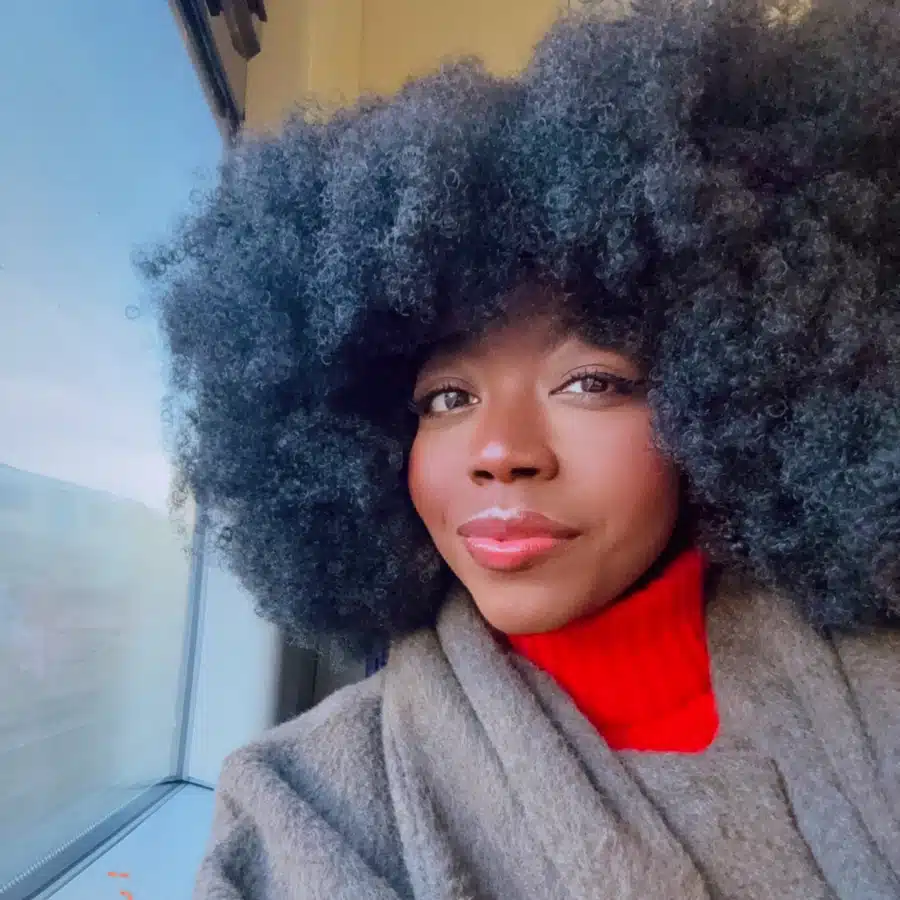
The appeal of soft confidence isn't that people suddenly stop caring about their appearance. It's that appearance no longer needs to function as a full-time project. It looks like spending five minutes on makeup because that's all you feel like doing. It looks like wearing your natural texture rather than forcing your hair into something more socially acceptable. It looks like allowing your skin to fluctuate without treating every blemish as a personal failure.
In many ways, beauty is simply reflecting a wider cultural mood.
Across fitness, work and wellness, there is increasing resistance to the idea that every aspect of life should be optimised. Anti-hustle culture, lazy girl movements, gentle fitness trends and conversations around burnout all point toward the same question: how much labour are we expected to perform simply to prove that we are functioning adults?
Beauty sits squarely within that conversation. For years, skincare routines expanded to fill every available gap in our day. Acids, retinoids, layering rules, waiting times, maintenance appointments and endless product recommendations transformed beauty into something that could feel suspiciously like work.
I remember being fully immersed in that mindset. When I was 25, the ten-step Korean skincare regimen dominated the beauty conversation. It promised glass skin, a luminous, almost reflective complexion that looked less like actual human skin and more like polished porcelain.
The routine began with a double cleanse before progressing through toner, essence, face oils, serums, moisturisers and SPF. At its core was a seductive promise: with enough diligence, consistency and investment, flawless skin could be achieved.
And for a while, I actually believed it. I treated the routine almost like a contract, utterly convinced that perfection was waiting at the end of the process if I simply committed hard enough. Instead, my skin became increasingly overwhelmed. The products were expensive, the maintenance exhausting and, ironically, my complexion ended up oilier than before.
Eventually, I stopped.
What replaced it wasn't another trend but a simpler approach. Fewer products, fewer steps and a healthier relationship with my skin. Looking back, what strikes me most isn't that the routine failed. It's how easily I accepted the idea that my face required that level of intervention in the first place.
That feeling extends beyond skincare. For many women, leaving the house without doing your face has rarely felt entirely neutral. Beauty culture has often relied on the suggestion that our default state is somehow unfinished, that before we can be seen, we should first improve, conceal, refine or correct.
Low-effort beauty challenges that assumption, not through rejection or rebellion, but through a subtle loosening of expectations.
What's fascinating is that this shift is happening publicly, on platforms that were once built around perfection. Instagram still rewards a certain kind of beauty. Algorithms continue to favour particular faces, bodies and aesthetics, and effortlessness often remains carefully curated. But there is nevertheless a growing tolerance for imperfection. Images don't need to look quite so polished. Skin doesn't need to be airbrushed into oblivion. The performance feels slightly less rigid than it once did.
Traditional beauty culture has always been rooted in control: the belief that with enough effort we can manage how others perceive us. Much of it is about anticipating judgement and correcting ourselves before anyone else has the chance to notice a flaw. Practising low-effort beauty doesn't completely reject that instinct. It just appears in small moments. Most importantly, it changes the question entirely.
Low-effort beauty doesn't mean we stop caring how we look. It means how we look stops carrying quite so much weight. And in a culture that still loudly rewards perfection, that may be the most radical beauty trend of all.
Instead of asking, do I look good enough, we begin asking, why am I measuring myself like this in the first place?
Advertisement

What to read next