I Punched the Air When Claudia Winkleman Walked Away. Here Is Why You Should Too.
No is sometimes the most powerful word in your vocabulary.
Join the women who read theALLBRIGHT Editor’s Letter every week. Sharp, honest and always worth opening.
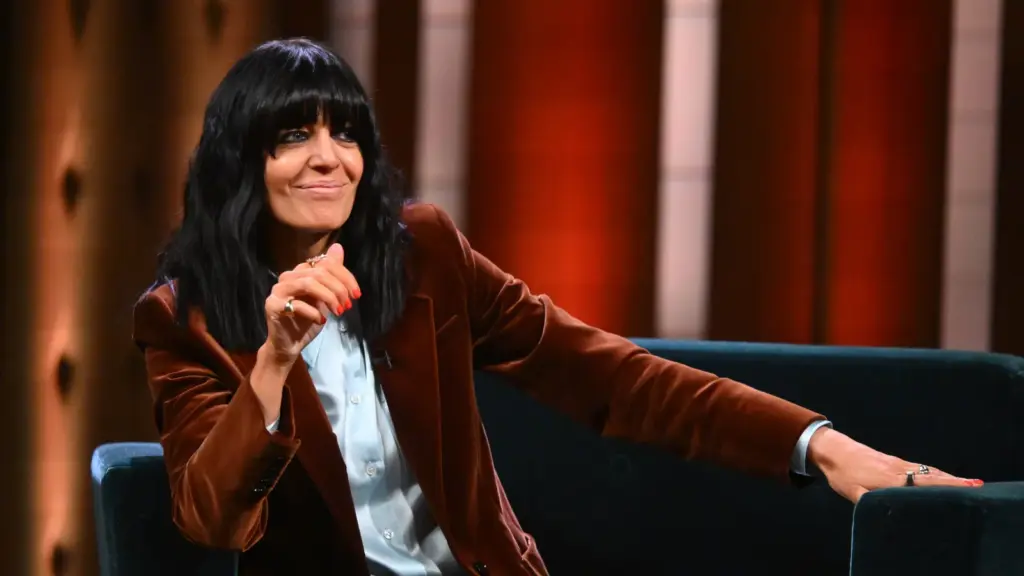
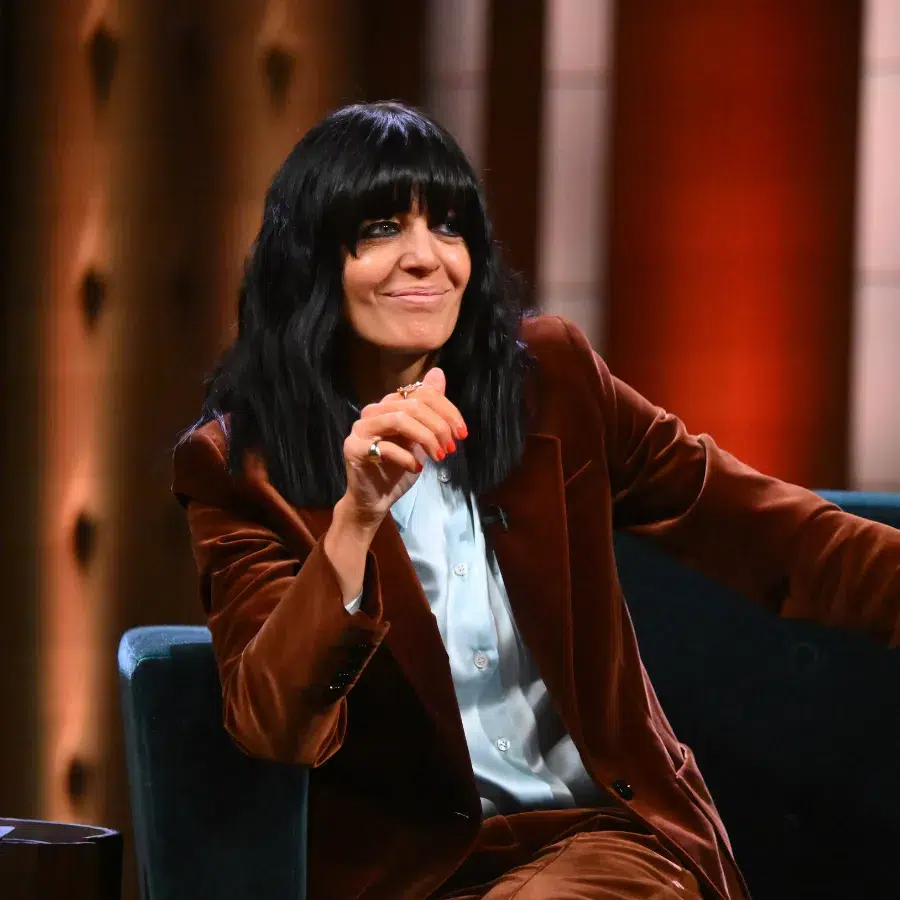
But the news that Claudia Winkleman has actively chosen not to record a second series of her chat show (which had mixed reviews but pretty respectable ratings) is thrilling, inspirational and envy-inducing all at once.
“Sometimes you have to try something to see how it fits and I realised I was just too nervous to enjoy it,” the presenter said, announcing her decision, which she made after talking it over with family and friends.
Air punch. We hardly ever hear a woman say that, at least not before she’s reached breaking point: I’m just not digging this and I don’t want to do it any more. Of course, Winkleman is part of the BBC and has several other shows to be getting on with. But to be handed the top prize in presenting and walk away because it’s not working for you? That’s still radical.
How many of us have felt that way, but not felt able to act on it? Coming to the realisation that something is quietly reducing us to dust but ploughing on anyway - pushing through the nerves, overwhelm, erosion of our self-esteem - because that’s what we equate with success. Also because we’re constantly made to feel as though there’s still only room for one of us at the top table and that to ‘give up’ a prestigious opportunity is not only a betrayal of your own potential, but the sisterhood too.
Not to mention the narrative that tells us we should say yes to things that scare us. Feel the fear and do it anyway, ladies! And while I do believe that getting out of your comfort zone is vital to grow and learn, I also think - like Winkleman - that it’s fine to say no when something really doesn’t fit.
For years, I did newspaper reviews - dissecting the next day’s front pages - on live television. It was terrifying in a good way and I was absolutely buzzing each time I got through the ordeal unscathed, which is why I kept going back for more. In time, it led to other ‘brilliant’ opportunities - the likes of which other people would kill for - such as appearing on serious political debate programmes with important people.
Honestly? I felt totally out of my depth and probably looked it, too. My whole body was screaming ‘don’t do it’ and I felt, in my soul, that I really wanted to be the one asking the questions rather than the so-called expert trying to answer them.
Still, she persisted. Of course I did, because the alternative was - as I saw it - failure, ingratitude (god forbid women aren’t always grateful) and potentially closing doors, even if I wasn’t sure they were the ones I wanted to walk through. Unsurprisingly, after a couple of goes, I wasn’t invited back to my immense relief. But how much easier would it have been for my nervous system (and ego) if I’d felt able to pass in the first place?
A lot of this hangs on our outdated ideas around ambition and success, because naturally a person to whom those things mattered would never turn down a big opportunity or give up status. We fear being seen this way: after all, what will those people who once congratulated you on LinkedIn say?
“I understood that I had to quit my job when I realised I could only think of one reason to stay: I was scared about what 'everyone else' would think if I left,” says Daisy Buchanan, author of All Grown Up, who walked away from a dream job on a glossy magazine after just a few months.
“It was the wrong role for me, but the harder I tried to make it work, the harder it became for me to trust myself. I was worried that I was being weak and cowardly, it took me years to understand that leaving was the most courageous thing I could have done.
“At the time, I believed that work had to be 'hard' and if I was miserable and overwhelmed, it meant that I was being presented with a challenge and I should rise to meet it. Now, I understand that work can and should be fluid, fun, energising and exciting. I've learned to trust myself and play to my strengths.”
Look, I’m not saying that we should all be quitting when things get tough - not everyone can, after all. But it’s recognising when something feels professionally wrong, or too big, or not what we expected it to be - and knowing that we don't have to put up and shut up. That sometimes, no is better than yes. That fear can be the last act before courage.
When I left my job as a full-time newspaper editor, I was scared, having been warned by colleagues that I’d be giving up everything I’d worked so hard for and would struggle to be a big fish in an even bigger freelance pond. I had an important-sounding title, so nevermind that I wasn’t happy or fulfilled, I should just cling on. You’ll regret it, they warned.
Of course, I never have. Do I sometimes miss that veneer of success? Yes. Do I occasionally worry that I’ve closed some doors? Perhaps. But opting out of that which makes you unhappy also leaves a positive footprint - a sense of your own gut strength and the satisfaction of having trusted it. I’m pretty sure that Winkleman is feeling that right now.