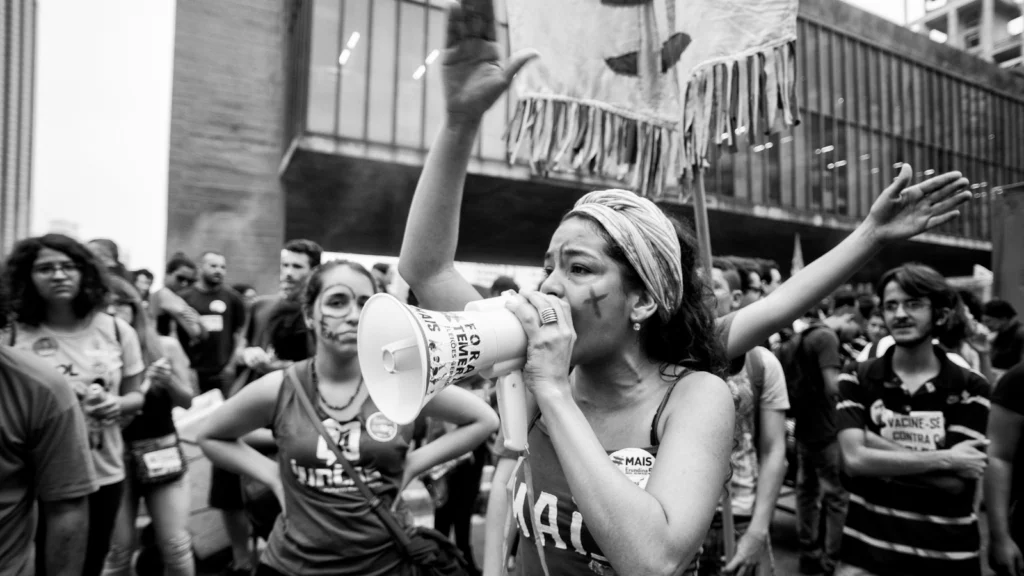
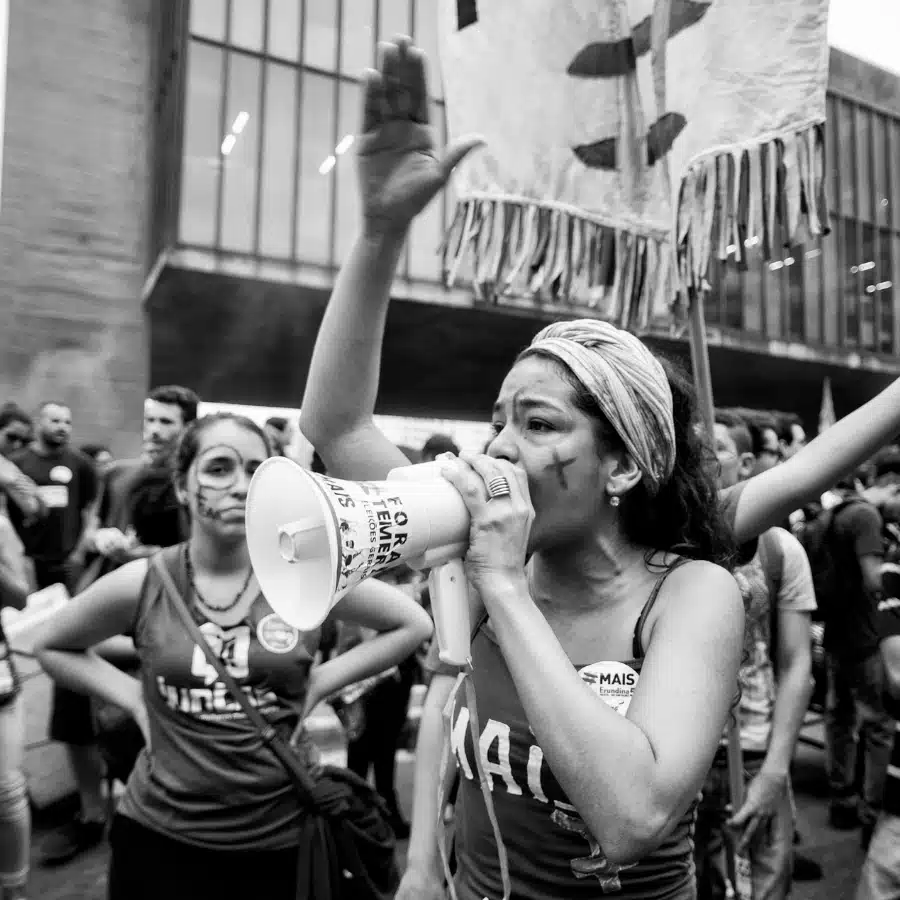
Look at women in politics.
Their hypervisibility is necessary, yet every move is dissected in ways their male counterparts rarely experience. The same dynamic plays out in corporate leadership. Hypervisibility attracts opportunity and risk. It opens doors but magnifies judgement, stereotype and misinterpretation.
Layer in intersectionality, race, religion, class, marital status, disability, sexuality, and the challenge deepens. This is a societal issue, not a personal failing. Even when it feels personal, we must remember it is structural.
So how do we balance visibility with authority and authenticity?
First: your credibility is already established. You would not be in your role if you were not capable. Yes, you maintain credibility through results, accolades and social proof. But you do not need to overwork to justify your presence. Focus on your strengths. You do not need to be perfect to be seen.
You do, however, need to prepare for judgement. Visibility will amplify scrutiny. Assertiveness may be labelled aggression. Confidence may be called arrogance. When you increase your presence, particularly online, you may receive “corrections,” passive aggression or even silence from those you expected support from.
Often, resistance intensifies precisely at the point of progress. Bold women are frequently feared rather than celebrated. Your role is not to internalise that perception.
Authenticity is now a leadership buzzword, almost diluted by overuse. But authenticity cannot be separated from context. It is not always safe to be fully open in every environment. This is particularly true for women from marginalised communities.
Professionalism does not require suppressing personality, but it does require discernment. Authentic personalities enhance credibility when aligned with values and expertise.
For me, social media became a laboratory for this. Platforms like X allowed me to interweave humour and personality with professional insight. Over time, those platforms became tools of expression and introduction. By the time people meet me in person, there is already familiarity.
Bozoma Saint John is a powerful example. As a former CMO of major corporations, she has built a brand that embraces her full identity, even stepping into reality television. Whatever the corporate reaction, her authority remains intact because her visibility is anchored in expertise.
So ask yourself: what part of your personality are you holding back, and why? Individuality is the key to sustaining hypervisibility beyond short-term likability.
We also cannot ignore bias. Women are judged differently for identical behaviours. Add race, age and other identity markers and scrutiny intensifies. Recognising this is grounding. Not every battle is yours to fight. As you become more visible, you must decide what matters.
Hypervisibility is amplified in spaces with limited diversity. Even powerful figures like Michelle Obama continue to be dissected. If that is true at the highest levels, it will certainly be true elsewhere.
But visibility disrupts stagnant cultures. Change requires catalysts. Your presence, even when uncomfortable, shifts environments that need shifting.
Confidence becomes critical. You cannot perform someone else’s version of it. Hypervisibility exposes vulnerability, so your confidence must be internally anchored. It should show up in your voice, your decisions, your communication style, even how you dress.
Confidence is built through reflection and alignment. When it is rooted in truth, it creates influence that outweighs the risks of visibility.
Navigating hypervisibility is not easy. It demands self-awareness and resilience. But it should not be avoided. Each stage of visibility offers learning.
Your presence matters. Your impact matters. Do not allow fear of scrutiny to silence you. Who you are is powerful. And believing that is the first step to harnessing the power of being seen.