
Advertisement
The Babyless Side of IVF That Nobody Talks About
As I write this, I've just finished listening to a woman being interviewed on the radio about her fifteen rounds of IVF. "And it had a happy ending, didn't it!", exclaimed the interviewer. Because, like most of the stories you hear or read about IVF journeys, this particular tale ended with a healthy baby, which is, of course, wonderful news. We all love a traditional happy ending, and that's why TV shows, films, magazines and books love these IVF narratives. Conversely, we often see an opposing focus on the women who continue to grieve for and are shaped by the child they never had. The Poor Jen storyline, if you will, a nod to the decades of speculation around Jennifer Aniston's choices that she never asked for and rarely addressed.
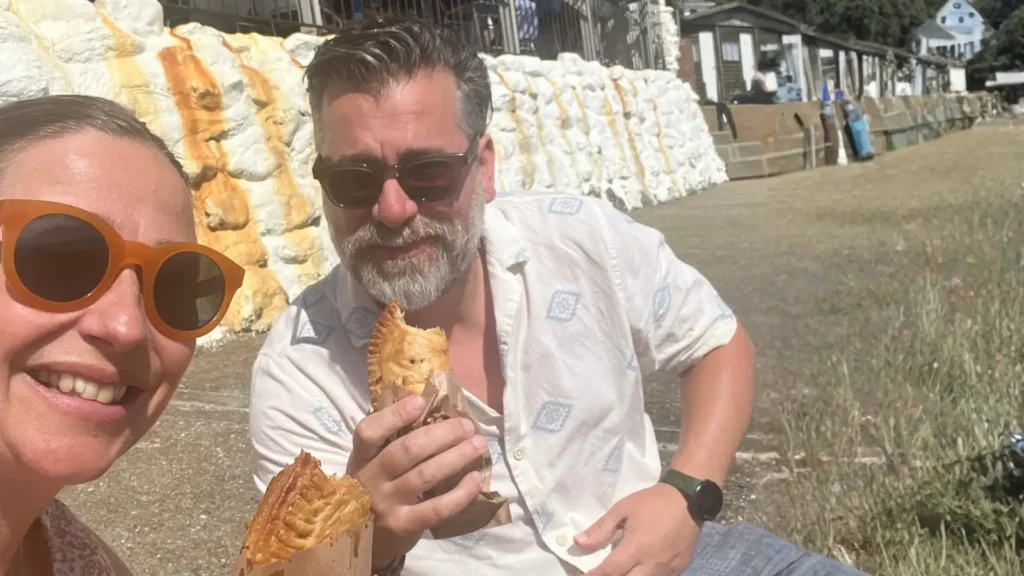
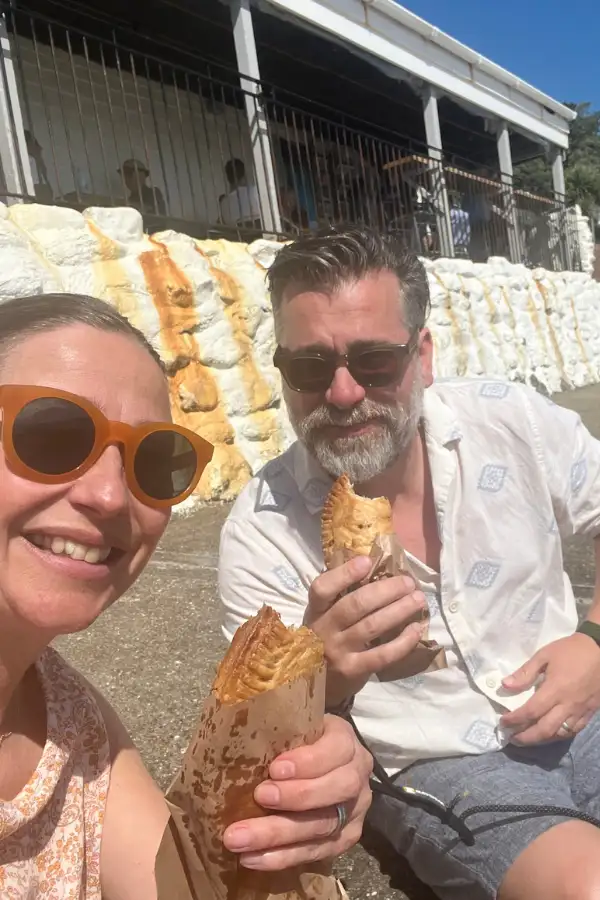
What you rarely read about, however, are stories like mine. Stories that, on the face of it, have an unhappy ending. No miracle baby. No surprise twins. No incredible overseas surrogate. A little over ten years ago, my husband Mark and I finished our first, and last, round of IVF. We didn't end the experience with a baby to show for it. But we had decided before embarking on our treatment that we would use however much IVF our postcode allotted us on the NHS, which in Lewisham, south east London, was one round. And that would be it.
At the time, many well-meaning women who were at a similar stage in their lives told me we would regret it. That it was worth throwing money at it. That we should try, regardless of financial and emotional cost, to have a baby. But even though that might have worked for those families, and I am very happy for them that it did, we were adamant that path wasn't for us. We would take whatever cards fate dealt us. As it turned out, our hand wasn't a life as parents. But it was a very happy life together.
Each year, on World IVF Day, stories like ours deserve to be told. Couples, and women in particular, are incredibly vulnerable when it comes to fertility pressure when they are struggling to conceive. We take on the burden and guilt of infertility, blaming ourselves for whatever we might be doing wrong, although Mark and I were never given a concrete reason why we couldn't get pregnant. We will be tempted to spend thousands of pounds on IVF add-ons, which a recent study showed for the most part have no effect on fertility. I shudder to think how much I spent on an acupuncturist who specialised in fertility, although it did sort out my dodgy back, so all is not lost. And we can end up feeling excluded from conversations, articles and radio interviews that simply do not feature our particular ending.
Don't get me wrong. I was very, very sad at first. I don't think I've ever cried so much as the day it became clear that our two embryos hadn't successfully implanted. But a few months afterwards, I realised I was feeling less sad about the prospect of never having children, and instead was processing the fact that I was almost at peace with it. I was sad about not being more sad, I suppose. Surely, judging by all of the things I had read and heard about fertility, I should be desperate to try more cycles of IVF. Yet, we had already decided not to, and going through the process only confirmed that we had made the right decision, for us. And, with Mark's support, that was actually going to be OK, once I allowed myself the freedom to stop comparing myself to others, and how I thought I ought to be feeling.
Last month, the Human Fertilisation and Embryology Authority reported a sharp rise in women in their fifties having IVF via an egg donor, an increase of 67 per cent in the last decade. I happen to turn fifty in March myself, and I'd be lying if I said I didn't still sometimes have a pang of sadness over little things. Like recently, when my My Little Pony collection was returned to me for the third time having been loaned to nieces and friends' daughters in lieu of having my own. Who will play with them now? Me? It's possible. Or when I see the teenagers in my life enjoying their journey into adulthood with their parents. As Mark and I are both ex-band members and keen gig-goers, we'd no doubt have loved to take our own kids to a music festival. But who's to say our children would have liked the same music as us? Or My Little Ponies? Or, indeed, us? Those small moments of grief for the children we never had have never been enough to make me, or Mark, regret or reconsider the decision we made all those years ago.
As a result of all of this, we came to terms with what the rest of our lives would look like pretty early on. After a couple of years, when meeting new people, I began having the confidence to throw comments into conversations like "because we don't have any kids" before strangers could make any incorrect assumptions about my parental status. It makes social situations far less stressful, for all involved, once it's out in the open. We got our first dog, and recently welcomed another into our clan. And we're not short of great children in our lives. Because while we embrace holidaying during term time, of course we do, we also love to go away with our friends and their children. Having a close relationship with them is far more of a privilege than bagging a bargain mini break. Oh, and they do love festivals, too.
So when it comes to IVF, a happy ending doesn't necessarily mean having a baby. There's a life to live on the other side of it, and it might just be a really good, fulfilling, happy one. Take it from someone who's living one.
Advertisement
What to read next


Advertisement
Advertisement
