The Financial Shame Ambitious Women Are Still Carrying in Silence
Debt is a mental health issue, It's time we said so outloud
Join the women who read theALLBRIGHT Editor’s Letter every week. Sharp, honest and always worth opening.
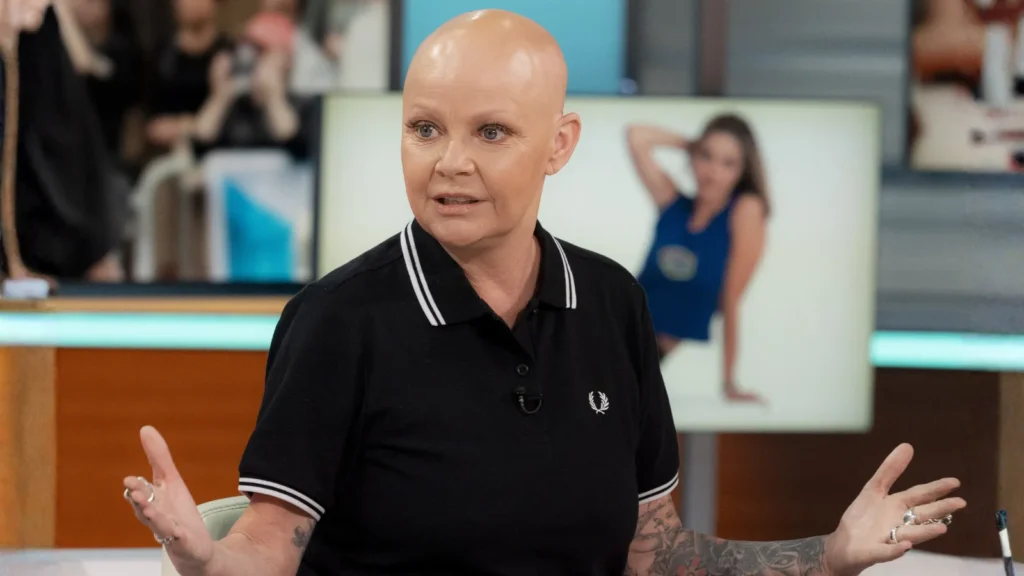
It wasn’t that long ago that Gail Porter sat on a television sofa and broke down in tears talking about debt. Not the abstract kind. The kind where you put the bills under a pillow because you have had a breakdown and lost your mother and you cannot face what is in the envelope. The kind where you end up sleeping on a park bench because you cannot afford anywhere else. "My problem was I ran away from everything," she said, "and when you run away from things they just get worse."
What struck people was not the debt itself but the shame of it. "When you become bankrupt, it's common knowledge," she said, trying to compose herself. That moment, a woman at the height of her public visibility falling apart over money on daytime television, captured something that is still largely unspoken.
Financial shame is one of the last great taboos for high-achieving women. Many carry the nagging suspicion that everyone else has figured money out while they alone are falling behind. They will readily discuss burnout and anxiety, but debt is carried in silence. That is despite it affecting everything from sleep and relationships to their sense of security and future plans. Financial stress is so often treated separately from wellbeing, but it is a mental health issue hiding in plain sight.
Now some women are beginning to challenge that silence publicly. "Make a micropayment with me." That is what women on social media are saying as they chip away at their debts in tiny increments, sometimes just a few pounds at a time. Hundreds of women are taking part in the trend, using radical transparency and community support to stay accountable as they tackle debts that can stretch into the tens of thousands. The appeal is not really about numbers. A £5 payment will not erase £20,000 of debt that has been mounting for years. What it can do is transform something that exists as a vague cloud of dread into a visible action. The women participating are taking control of something overwhelming by naming it, sharing it and refusing to carry it alone.
Dr Ylva Baeckström, a psychotherapist and researcher in finance at King's College London who specialises in women's financial success, says it is no wonder women often feel this way given how recently they were excluded from financial life entirely. "We were excluded until the mid-1970s. We couldn't open bank accounts in the UK without a man signing the form," she says, pointing to the Sex Discrimination Act 1975. "The legal system told women that they didn't belong in finance for generations." Women also struggled to obtain mortgages and credit independently, and financial institutions routinely treated them as dependants rather than economic actors. That has changed, but many women still internalise the idea that finance is something they are supposed to know less about. "We have an alpha male language when it comes to finance," Baeckström adds. "But the more we talk about money, the more we learn."
Today, women are in a contradictory position, being encouraged to spend while simultaneously being shamed if they rely on credit cards or fall into debt. Layered on top of that is the greater mental load many women carry at home. "We certainly take on more of the worrying about everything in general," Baeckström says.
Cheryl Welsh knows exactly what that weight feels like. The 42-year-old beauty business owner from Scotland was carrying £47,774.79 of debt. In the past few months alone, she has paid off £14,558.87 with the help of micropayments. Her money troubles date back to when she was 18 and pre-approved credit cards started arriving through her letterbox. When she had children, the life she had maintained on a full-time salary became harder to sustain during maternity leave. "It's so easy to get in debt that it's almost become normal," she says. "Everybody's got debt. It's just life."
For Welsh, keeping debt to herself only made it feel heavier. "If I'm posting it on TikTok, I know that I'm going to stay accountable and actually do it every day," she says. A significant turning point was simply adding everything up. "It was empowering just laying it all out because I think up until that point, I didn't actually know the true sum of it. Then I knew where I was at, and I could set myself the goal to try and get this paid off by the end of the year."
Angelique Ruzicka's story is different but the silence around it was the same. The 47-year-old owes £10,497 in credit card and car debt, accumulated through years of unexpected expenses, and for a long time she carried it entirely alone. "I do believe that women on the whole can do anything," she says. "But I think we've tied ourselves into knots with this belief that we should be doing everything." The turning point came when she stopped avoiding it. After seeking treatment for depression and chronic stress, she found herself better able to tackle her finances too. "I don't feel ashamed of that. I'd feel more ashamed if I didn't have a plan to solve it."
There is a huge psychological component to tackling debt one step at a time, says May Fairweather, a financial therapy coach and founder of Talk About Money CIC. Community helps too, whether that is social media, friends or family. Sharing financial goals with others creates accountability and reduces isolation. "Then you don't see it as inevitable that you're going to always be in debt," Fairweather says. But she cautions against the illusion of progress. If interest rates are high, small payments alone may not make a significant dent in the balance. "You can't just do finances by vibes and get good results." The hardest step, she argues, is not learning to make a budget. It is overcoming the shame and helplessness that debt creates. Before the balance starts shrinking, the shame has to.
If burnout, anxiety and mental health have become acceptable topics of conversation, debt should be too. The women documenting their micropayments are slowly chipping away at their balances. But they are also challenging the very idea that financial stress is something we should carry alone. Gail Porter understood that when she finally said it out loud on television. So do they.