
The First Hour: How Morning Habits Shape Your Sleep, Mood and Momentum
The First Hour: How Morning Habits Shape Your Sleep, Mood and Momentum
Those first 60 mins are crucial

Join the women who read theALLBRIGHT Editor’s Letter every week. Sharp, honest and always worth opening.
Did you know that what you do first thing in the morning can affect your sleep quality that coming night far more than your evening wind down routine? The reason, according to clinical sleep psychologist Dr Stephanie Romiszweski, is that our circadian rhythm or body clock and daily sleep drive (our ability to fall and stay asleep) are determined by what happens when and how we wake up in the morning.
Good sleep, as any midlife woman will tell you, is fundamental to thriving in our power years, not to mention being able to start our day feeling energised, in control and with a positive mindset as we approach our to-do list and the curve balls that daily life inevitably throws at us.
Sticking to a regular get up time, getting a hit of daylight as quickly as possible, movement and some time for mental and physical self care (doesn’t need to be long) will kickstart your sleep drive, signal to your brain and nervous system that you are safe and well and therefore set you on the right path for the day.
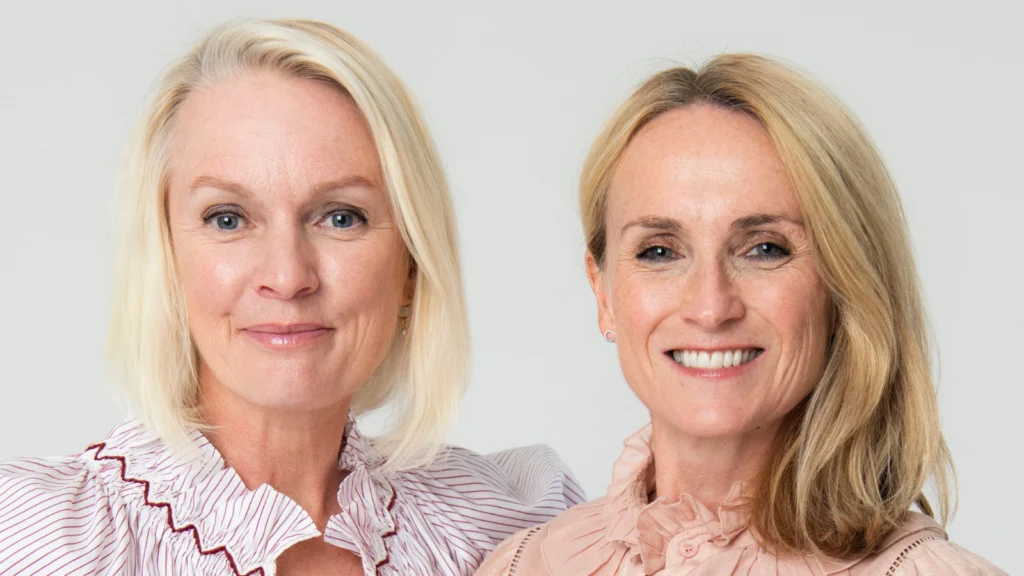
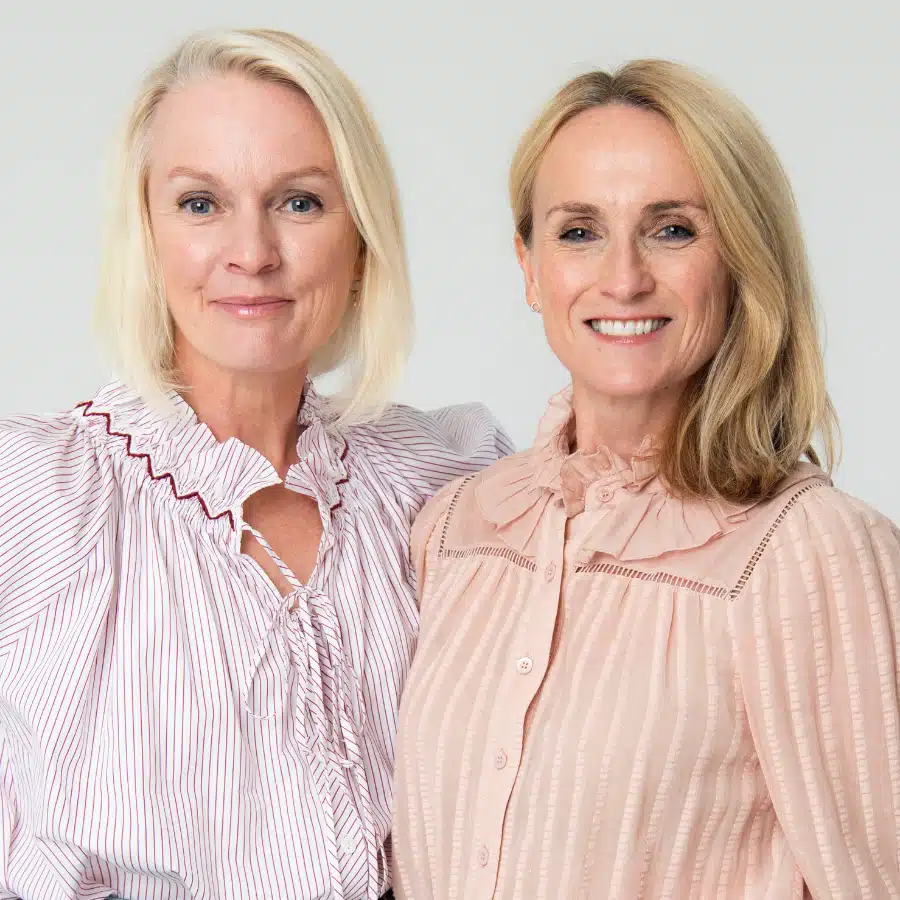
Here, we share our own morning routines which make us feel happier, healthier and able to thrive based on what works for us as individuals, as well as incorporating health and wellness advice from the many experts we’ve interviewed over the years. If you haven’t found your perfect morning routine yet, why not start to experiment with what works for you…
Trish’s morning routine
Getting in the right frame of mind before getting out of bed: My alarm goes off at 6.30am and I allow myself 5-10 minutes in bed, not snoozing, but thinking. I have a short gratitude practice based on three words - help, thanks, and wow - and I think about each of those things: what am I thankful for, what do I need help with or how can I help someone else today, and something truly amazing about life (the ‘ wow’). I also like to think through my day and what will be the highlights, whether it's a swim and sauna at the pool, a colleague I’m catching up with or even a really good strong coffee at breakfast time.
I always use a tongue scraper before teeth brushing: it removes the build up of excess bacteria, food debris, and dead cells that accumulate in the mouth overnight, and believe me once you start doing this you won’t be able to stop! There is lots of interesting research right now into the mouth biome, and the balance of good and bad bacteria is thought to be as important as the gut.
Let there be light and movement: Once downstairs and the pets have been fed, I head into the garden and face towards the sunrise and take three full deep breaths, feeling the air on my face and in my lungs and finding a moment of stillness before the day truly begins. I’m a morning exercise person, I like to get it over and done with but also love the buzz a swim or spin class at my local gym gives me, or I head out for a power walk around the park. If I haven’t got the time to go out to exercise, I will do a Pilates class at home (I’m an instructor so will use it as practice for a class I’m teaching that week) or an online strength session using weights on the Fiit app.
A nourishing breakfast: One of the best things about working from home for me has been sitting down to breakfast each morning. Having spent nearly three decades scoffing a bowl of cereal on the hoof getting ready to go to the office, having 20 minutes to prepare, eat and savour my breakfast properly really feels like a luxury. I’m a big oats fan as they balance blood sugar keeping you feeling full for longer, they lower cholesterol, improve gut health, are packed full of nutrients and taste delicious in porridge, home-made sugar free granola or muesli mixed with nuts, pumpkin and sunflower seeds as well as milled chia, flax and hemp seeds. And of course a really good strong coffee and I’m ready for anything!
Lorraine Candy’s Morning Routine
I am a morning person: my circadian rhythm is set to enjoy early rising. And as a 58-year-old mum of four I’ve found daybreak waking ensures time to myself. I also love the feeling of being up before the world joins in. I adopted my morning routine after being taught by the yoga/breathwork coach Nadia Narain to audit my week. At the end of every day I wrote down how my day started and how I felt when I ended it. I realised a slower or later start, or an inconsistent early routine discombobulated me and that spontaneity wasn’t as good for me as I wanted it to be! I experimented to find a consistent routine which ensured I was emotionally and physically content at the end of the day. This is what I do now:
Rise at 6/630am: Hydrate immediately with a big glass of water, often with an electrolyte tablet to replace minerals lost overnight.
Floss first thing: Neuroscientists we’ve interviewed on our podcast recommend flossing for good brain health so I get it out of the way.
Exercise after protein: Most mornings I exercise (weights, swim outside, yoga or a short run). I do what my body feels like doing that morning as long as I move. And my exercise is more effective after a small yoghurt/egg breakfast.
Turnaround question time: Journaling or keeping a gratitude diary helps the brain process problems but I also answer author Byron Katie’s four questions in writing when I feel stuck, worried or in a rut. You ask these questions about the belief causing you the issue: 1) Is it true? 2) Can you absolutely know that it’s true? 3) How do you react when you believe that thought? 4) Who would you be without the thought? Then you ask the all important Turnaround Question where you challenge your answers. For example; what if I did nothing instead of being proactive, what if instead of thinking my husband is causing this problem it may be me? I tend to go for the opposite explanation and it sparks off a thought process which helps dilute any anxiety, sadness or rage I am feeling.
Listen to the Postcards from Midlife podcast with Lorraine, Trish and clinical sleep psychologist Dr Stephanie Romiszweski.


