Lust, Obsession and a Dishwasher to Unload: Why Midlife Women Cannot Stop Listening to Olivia Rodrigo
You did not outgrow any of it
Join the women who read theALLBRIGHT Editor’s Letter every week. Sharp, honest and always worth opening.
For the last few weeks, I've led a double life. I'm a happily married, 41-year-old with the inner world of a 21-year-old falling for a new lover. Walking home from school drop off, I live through the stages of a relationship that isn't mine: infatuation, elation, loneliness, heartbreak and hope. By the time I reach my front door I'm recovering from a breakup I never went through, ready to hit the bars with a "vodka cran' and an open heart". Except that it's time to start work, and the dishwasher needs unloading.
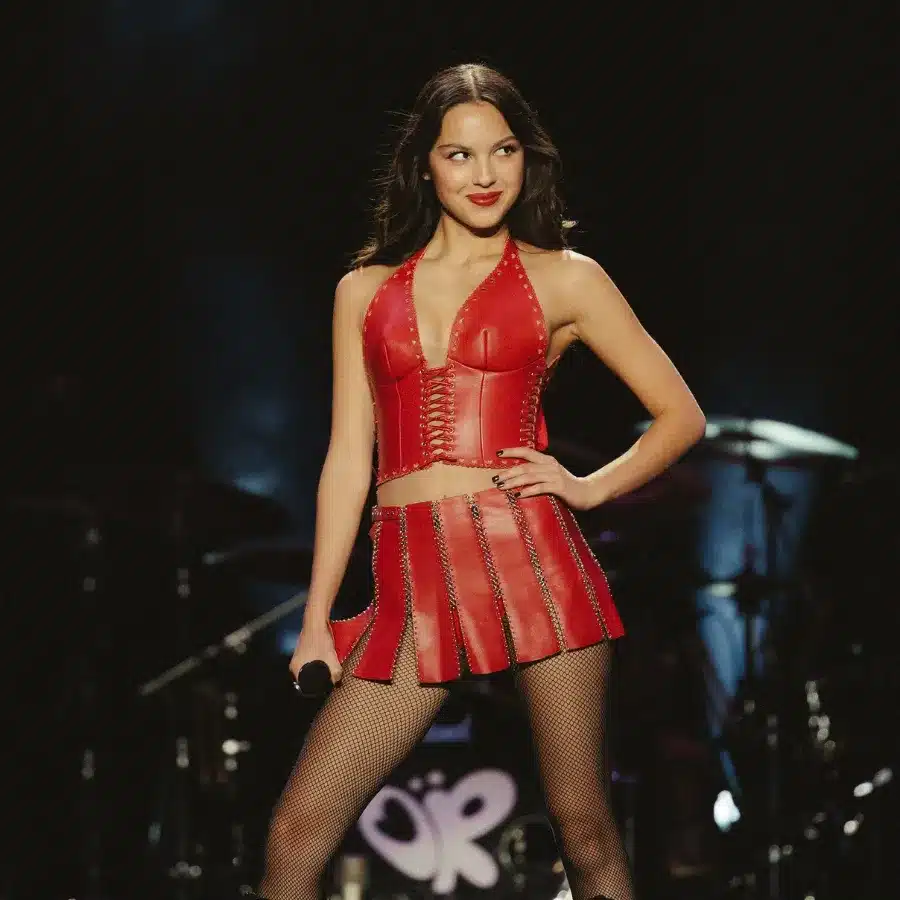
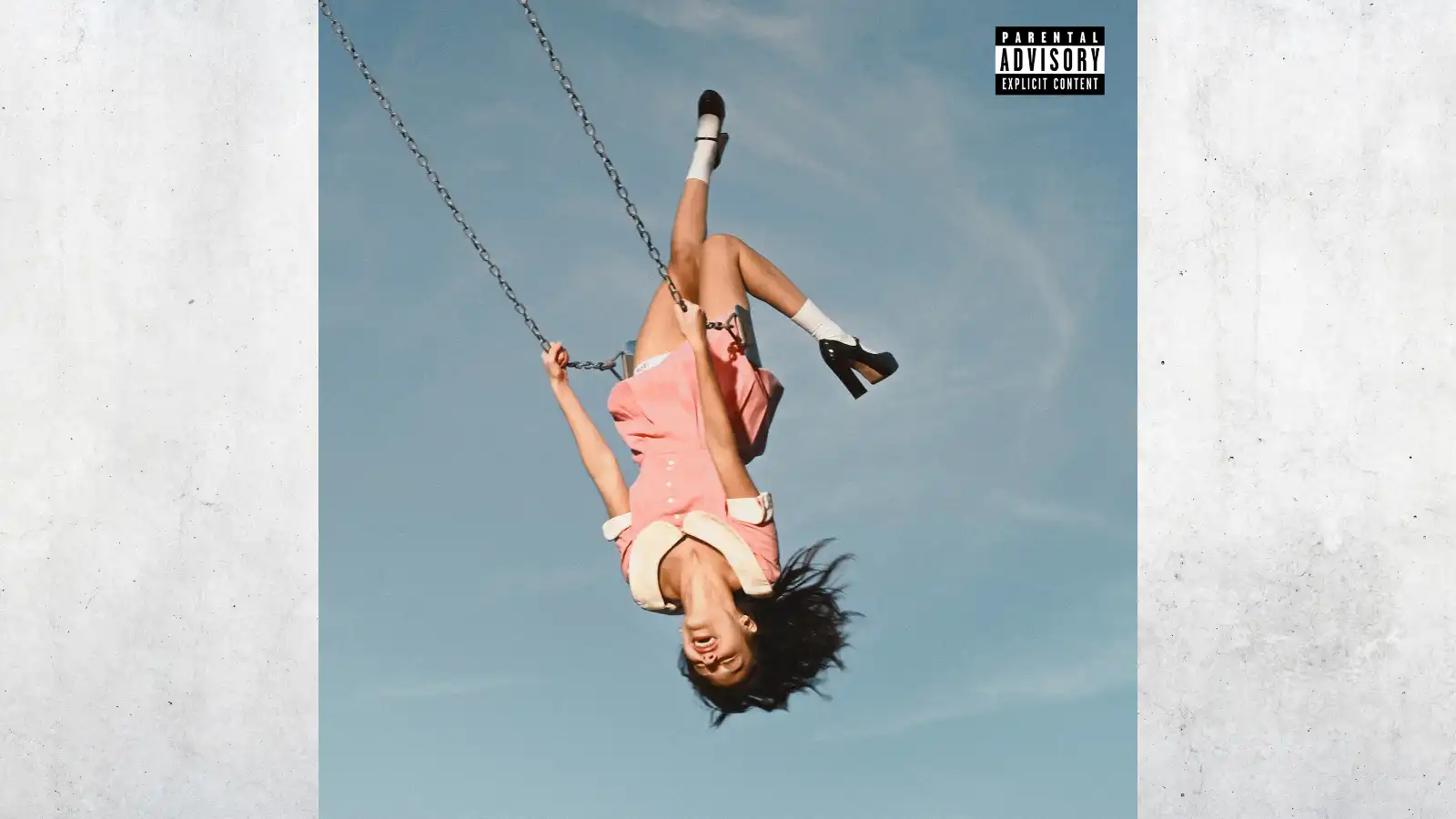
I have Olivia Rodrigo to thank for this straddling between two worlds. Her new album, You Seem Pretty Sad For A Girl So In Love, has been on repeat in my house since its release, despite her core fanbase being teens and twenty-somethings. It's the soundtrack to my school runs, supermarket trips and daily kitchen discos. It's also the subject of WhatsApp chats with similarly obsessed 40-something friends, as we discuss why Expectations is a post-divorce dating anthem, or laugh about the lyrics in Maggots for Brains reflecting how it feels the morning after you've survived a night with a kid with Norovirus. ("I'm a zombie in my body / I'm a train off of the track.")
It isn't until I post my love for the album on Instagram, and am inundated with DMs from other midlife women, that I realise we're not alone. There are older fans, too. On Reddit, one user posits they might be Olivia's oldest fan at 58, writing "can't imagine there anyone to beat that," only for another 62-year-old enthusiast to join the thread.
The easy answer for this cross-generational appeal is nostalgia. The lyric "Hop the fence in the park" in Honeybee is a throwback to the moment Julia Roberts and Hugh Grant do so in Notting Hill. Pop culture writer Satu Hämeenaho-Fox also points out the nods to post-grunge, the Foo Fighters and the Talking Heads, and the Sex and the City imagery of walking through the city with friends, clearly not under supervision, exploring life beyond girlhood. Then there's the way the album is structured as a story, side one the start of a relationship, side two its demise, front to back listening, just like we used to back when reading lyrics on the inside of an album sleeve was a religious experience. Hämeenaho-Fox captures it precisely: the resonance "is about those first years of freedom, when everything is still up for grabs and there is infinite potential."
In midlife, while some things are still up for grabs, not everything is, and freedom is harder to find without a babysitter. Rodrigo offers an escape from overflowing washing baskets and packed lunches, and access to emotions that were more common before so many responsibilities were acquired: lust, obsession, regret. The album demands nothing of us and offers exhilaration in return.
Still, I think the connection runs deeper than nostalgia or a desire to escape domesticity; the album allows us to reject a common misconception about midlife. A recent newspaper headline asked, "Taylor Swift's girlhood era is ending. Where does she go next?", implying that, by marrying, Swift was leaving girlhood behind. That isn't how midlife feels to me, or to the women I know. In fact, the older I get, the younger parts of me become more present, not less. I think I am in midlife girlhood.
During a time where generations can be pitted against each other, the stereotype of Gen Z's lack of work ethic compared to older millennials not having enough boundaries in the workplace, Olivia welcomes midlifers in. She shares her stage with musicians Gwen Stefani (56) and Lily Allen (41) and cites Alanis Morrisette (52) as an inspiration.
Maybe it's also resonating because I am no longer bothered about seeming mature or intelligent. I have less energy to spend being cool and more freedom, as my kids grow older, to return to passions I'd previously ignored. Or perhaps it's just because, as you get a little closer to death, your youth creeps back in subconsciously, because you're more scared of forgetting it. Suddenly, the idea of aligning your inner world to two digits seems a little silly.
Apparently these are common feelings in midlife. As we grow older, psychotherapist and founder of the Veda group Natasha Tiwari tells me, "healing and feeling whole is also about reclaiming the forgotten parts of ourselves." In that sense, an album like Rodrigo's "becomes a pathway to revisiting old emotions without drowning in them, and being able to bear witness to our younger selves with greater compassion, perspective and tenderness than we held at the age we find ourselves mentally revisiting."
In the chapter of midlife, Rodrigo gives women space to express these adolescent emotions that others might assume are no longer relevant to them. The process reminds me of the Joan Didion quote, "I think we are well-advised to keep on nodding terms with the people we used to be, whether we find them attractive company or not." It's not that I long to be the girl who got dumped in Starbucks again. But there's sometimes pressure to forget the younger parts of who you were in order to be calm, content and responsible. Really, all the wilder parts are still present, still shaping us. Not just memories.
To others, I look like a 41-year-old with grey hairs pushing a buggy, a used wet wipe hanging out of my coat pocket. But when I sing, "I'm a heart made of wax and I'm melting in the sun / I'm a thread on your shirt that is coming undone" I get to feel my whole, full self. Both responsible and reckless, caring and lustful, confident and lost.
So to anyone who asks, "Isn't that album for teenagers?" I'd argue that you can feel the intensity of the heartbreak Rodrigo describes whether your friends are smoking blunts or wiping children's bums in the bathroom. If anything, the meaning of the feeling expands with age. When Rodrigo sings, "They say modern love's a cruel endeavour," you now know that the cruelty of love is not just a relationship ending, but a dozen other heartaches. A friend's divorce. A daughter's worry. A son never born. In midlife, when you know too much, the words can mean even more.