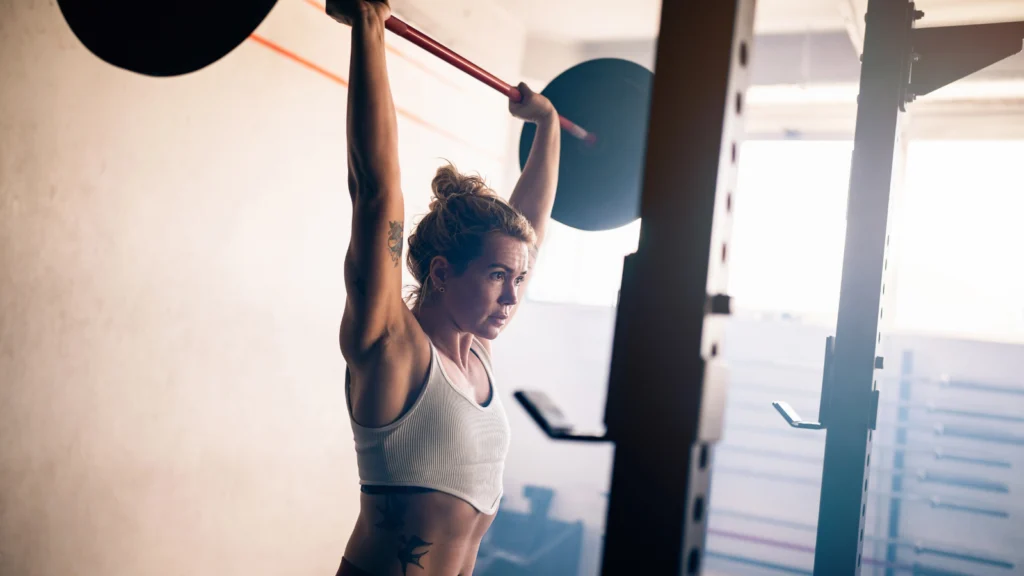
None of this is complicated. What has complicated it, for a long time, is a persistent set of cultural myths about what strength training does to a woman's body. The most durable of these is the fear of bulking up — of building a physique that reads as unfeminine, or excessive, or somehow too much. It is worth being direct about this: for the vast majority of women, lifting weights does not produce large muscle mass. It produces improved tone, better posture, greater stability, and the particular kind of physical confidence that comes from knowing your body is capable. Building significant bulk requires highly specific, intensive training. What most women experience from regular strength work is simply feeling better in, and more at home in, their bodies.
The mental health case is equally strong. Strength training releases endorphins in the same way cardiovascular exercise does, with the added dimension of the psychological effect of watching yourself become physically capable of things you couldn't do before. That progression, the moment a weight that once felt impossible becomes manageable, translates into something that goes beyond the gym.
Fitness expert Kate Rowe-Ham, who works specifically with women in midlife, describes strength training as the means by which women can "stay strong and mobile well into later life." But the women she works with tend to report something else alongside the physical gains: a shift in how they relate to their own capacity. A recalibration of what they believe their bodies are still able to do.
For women who have spent years prioritising cardiovascular exercise, and most women have, because that was the dominant message for a long time, the shift to a strength-first approach can feel counterintuitive. It doesn't need to be dramatic. Two to three sessions a week is enough to produce meaningful results. Bodyweight exercises, squats, lunges, press-ups, wall sits, require no equipment and build genuine strength. Resistance bands are versatile, inexpensive and effective for building gradually.
Free weights can be introduced when confidence and familiarity grow, starting light and progressing at a pace that feels manageable. A simple structure, a brief cardio warm-up, a sequence of strength exercises, and some stretching or mobility work to close, is all that's needed. The sessions don't need to be long. They need to be consistent.
What changes with consistency is not just physical. A stronger body changes how you move through the world. It changes your posture, your energy levels, your tolerance for the physical demands of a busy life. It changes, over time, how you think about what you're capable of. The women who commit to this work in midlife are not just protecting their bone density or maintaining their muscle mass, though they are doing both. They are actively building something, a physical foundation for the decades ahead, at precisely the point when the cultural message tells them to start winding down.
That message is worth ignoring.
To explore QVC UK's strength training guidance and wider menopause resources, click here.