
Advertisement


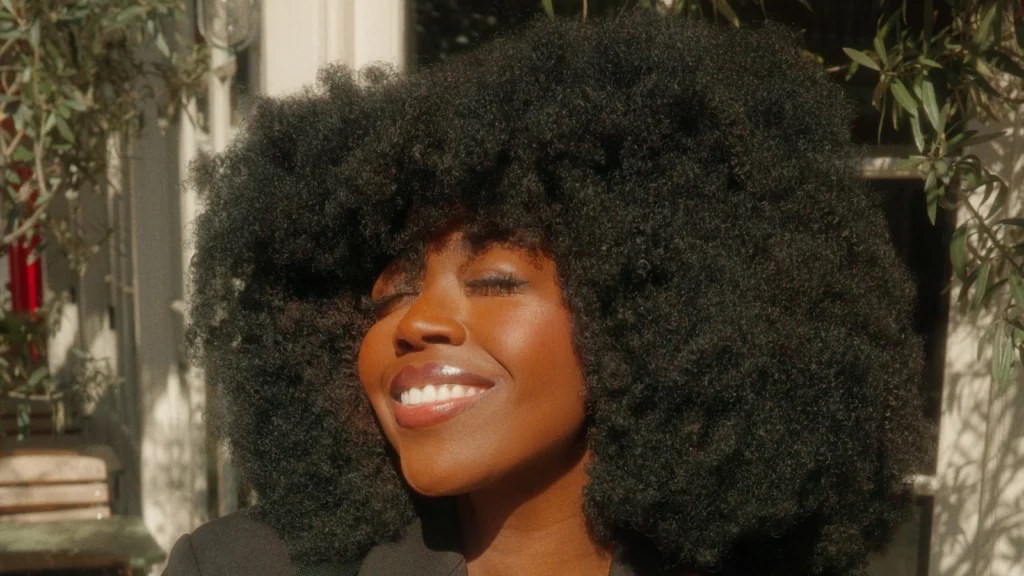
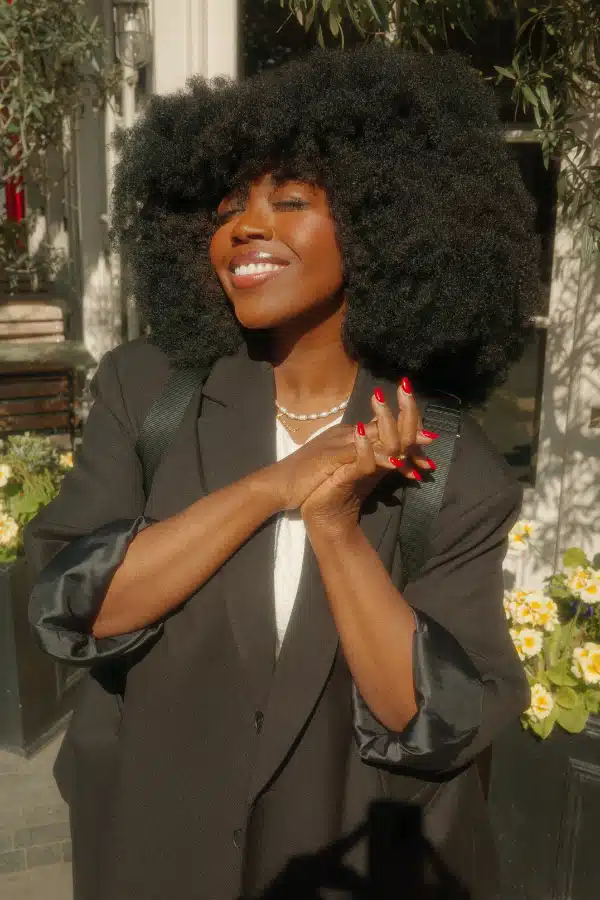
Stephanie Yeboah: Space, Body Confidence and Self Acceptance
Being plus-sized and vocal in a mostly fatphobic, very thin space means you’re constantly aware that you weren’t the “default setting.” The campaigns don’t reflect you. The rooms weren’t designed with your body in mind. And for a long time, I internalised that. I thought if I was polished enough, grateful enough, talented enough, maybe I’d earn my place. The turning point wasn’t dramatic for me. It was me deciding to post the photo anyway, and to take up spaces to speak on the panels anyway. To pitch myself anyway. To show up in rooms that weren’t built for my body and refuse to apologise for taking up space in them. I stopped asking, “Do I belong here?” and started asking, “Why wouldn’t I?”
Visibility is being seen, value is being understood. They overlap, but I don't think they’re the same thing - and I’ve learned (sometimes the hard way) that if you don’t actively shape the narrative around you, people will happily flatten you into whatever is easiest for them to digest. I ensure that I'm not reduced to an aesthetic by correcting the narrative when someone tries to reduce me to a label, and try to anchor my worth internally. If my sense of value depends entirely on how I'm perceived, I'll always be negotiating with the room.
I genuinely thought there was always a ceiling to how successful a woman could be because of the patriarchy. Like, no matter how talented, driven, or brilliant she was, there would always be an invisible limit. A point where the system would say 'That’s far enough.' I’d subconsciously downsize my ambitions to something that felt realistic and would tell myself that I was being practical, when really I was pre-bracing for disappointment. The shift for me wasn’t pretending the obstacles aren’t there. It was realising that my imagination about my future didn’t need to be smaller just because the system is flawed. I could acknowledge the structure and still refuse to shrink for it!
Being highly visible online tests your sense of self in ways you don’t anticipate. The biggest thing I’ve had to protect is my internal voice. When you’re online, there are thousands of external voices - opinions, projections, praise and criticism. If you’re not careful, you start outsourcing your self-perception to the comment section. Am I doing well? Am I attractive? Am I smart? Let me check my engagement. I had to unlearn tying my worth to performance metrics because at the end of the day, views aren't valuable. I also had to unlearn the instinct to over-explain myself. As someone who’s curvy and vocal in a space that can be incredibly fatphobic, I used to feel like I had to justify my presence - my confidence, and my body. I’d soften statements and try to make myself more digestible. But now I protect my boundaries because not everything is content and not every opinion deserves a response.
Tokenistic diversity: you’ll see one plus-size model in a major launch, she at the centre of the PR push, the comments are full of “we love inclusive brands!” And then you go to the website, and the extended sizes are either sold out, not available online, cut differently, or stop at a 2X that fits like an XL. That’s not inclusion at all. It's all performative, for the optics. I’ve been on set before where I was clearly the “diversity hire.” The team was lovely, but the samples didn’t fit at all, making me feel incredibly othered. We had to make it work. Meanwhile, the straight-size girls were able to just put the clothes on. It's performative - when the messaging evolves faster than the system.
What actually feels like progress is when brands build with us in mind from the beginning. I’ve worked with fashion brands where the plus-size pieces weren’t just scaled-up versions of straight sizes, but re-patterned thoughtfully. Where the samples came in multiple sizes for fittings. Where the creative team included people with different body types at the decision-making table. Where I wasn’t the only curve in the room.
Being a content creator looks effortless but requires real discipline behind the scenes. From the outside it says: cute outfit, quick video, post, done. Soft life. Vibey. “Must be nice.” But behind the scenes it feels like a whole production company, and for the most part, I'm all the staff. I’m the script writer, creative director, editor, model, photographer and videographer. And on top of that, I have to be consistent and that's the part people don’t see. You don’t just show up when you feel inspired. You show up when you’re tired. When the idea isn’t fully formed. When engagement is down or when life is generally 'lifing'.
“Be more likable.” The advice is everywhere but packaged up in different ways: smile more. Soften your tone. Don’t be too direct. Don’t be too ambitious. Don’t be intimidating. It’s incredibly exhausting. It assumes a woman’s success or safety depends on how comfortable she makes everyone else. And that mindset feels outdated. Being respected, being clear, being competent, those things matter more than being universally liked.
Something that is rarely said out loud is that self-acceptance is not a constant state. It’s a practice that needs to be worked at consistently. People talk about it like one day you wake up, love your body unconditionally, and never flinch at a bad photo again. That’s not been my experience at all. Some days I feel grounded and solid in myself, and other days, old insecurities come up - especially in industries that still reward thinness. And that doesn’t mean I’ve failed at self-acceptance. It just means I’m human.
Another thing we don’t say enough: self-acceptance doesn’t always feel empowering. Sometimes it feels neutral. Sometimes it feels like choosing not to spiral. Sometimes it’s just deciding not to cancel plans because you don’t like how you look. I think that self-acceptance isn’t glamourous; It’s choosing yourself over and over again, especially on the days it would be easier not to!
If younger Stephanie were watching my career unfold, I think what would surprise her most is how confident I’ve become - how comfortable I am working a room, commanding attention without compromising who I am, and holding space for the causes I care about. She’d probably be struck by how steadfast I’ve become in my activism, how I don’t just show up for the spotlight but for the work that matters.


