
The Undeniable Impact of Women on Film, Fashion & Fiction
The Undeniable Impact of Women on Film, Fashion & Fiction
When the impact of women on film, fashion & fiction brings discomfort.
Film, fashion and literature have always been in conversation with each other; industries built on storytelling, on translating feeling into form, on understanding what an audience desires before it knows how to ask for it. In all three though, the same pattern continues to reveal itself: women, despite doing some of the most important work, remain marginalised in recognition. And here is the part nobody likes to talk about. When women’s impact becomes undeniable, the room gets uncomfortable.
Women in Film – The Oscars Moment That Said Everything
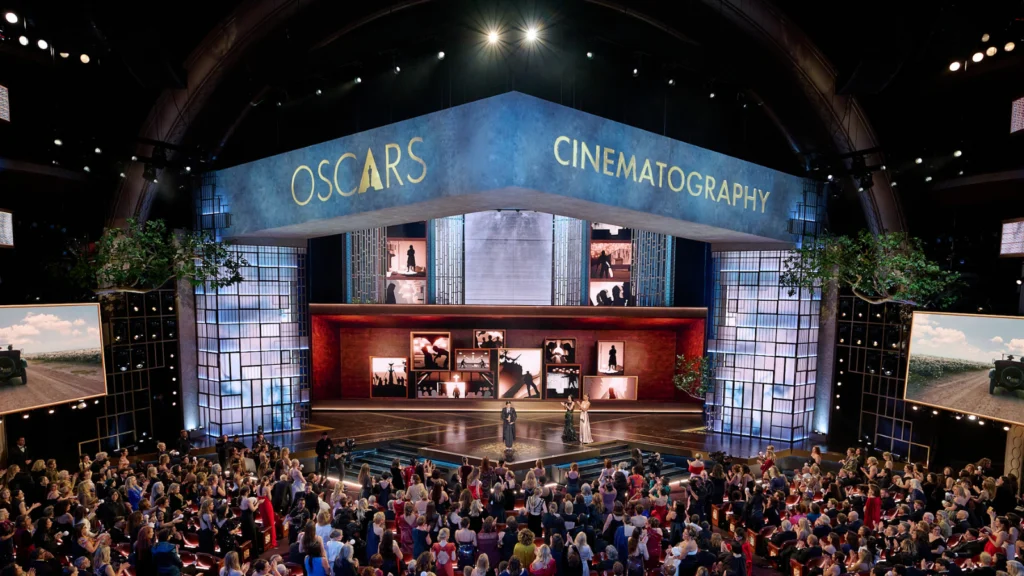
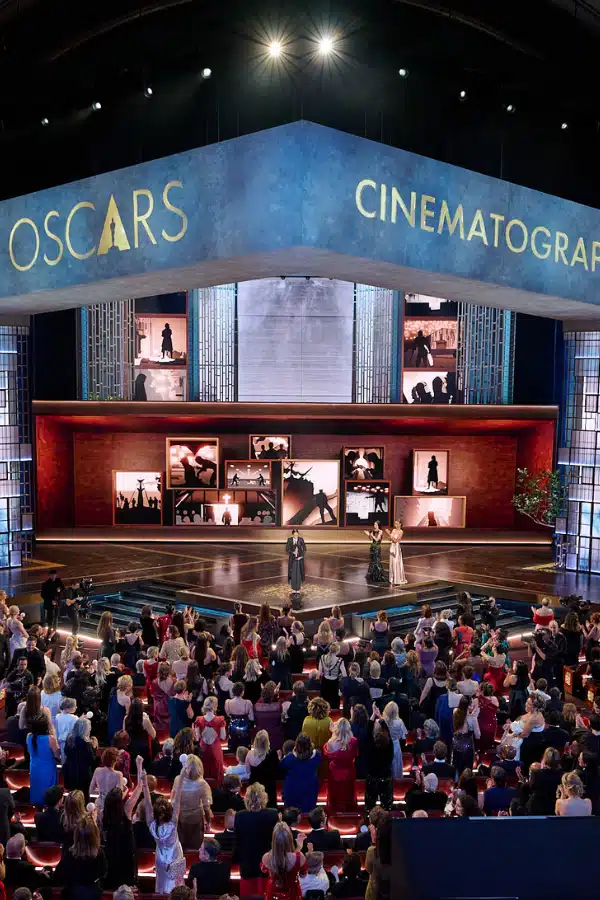
The 98th Academy Awards illustrated exactly this in a single evening. Autumn Durald Arkapaw became the first woman and person of colour to win Best Cinematography, her work finally given the formal recognition that anyone who had seen it knew it deserved. Jessie Buckley took home Best Actress for Hamnet, the first Irish woman to win in that category, playing a mother, receiving her award on Mother's Day and having become one herself last year. There is something almost too neat about this, and yet it feels entirely fitting: the work drawing most naturally on women's lived experience being the one that moves people most.
And in perhaps the most quietly significant moment of the night, Cassandra Kulukundis won the inaugural Oscar for Best Casting, a role performed overwhelmingly by women, with four of the five nominees being female, yet recognised by the Academy for the first time in its 98-year history.
That last detail is worth sitting with. Casting directors shape everything: the texture of a film, its emotional register, the way it lands. Richard E. Grant, whose daughter is herself a casting director, has described them as having to "diplomatically navigate the predominance of male directors and producers, reluctant to acknowledge how crucial casting directors are."
Kulukundis has worked with director Paul Thomas Anderson across ten films. And later in the same evening he won his first Oscar for Best Director. It seems that the influence has always been there. It just took the Academy nearly a century to say so.
Red Carpet Fashion and Women's Labour
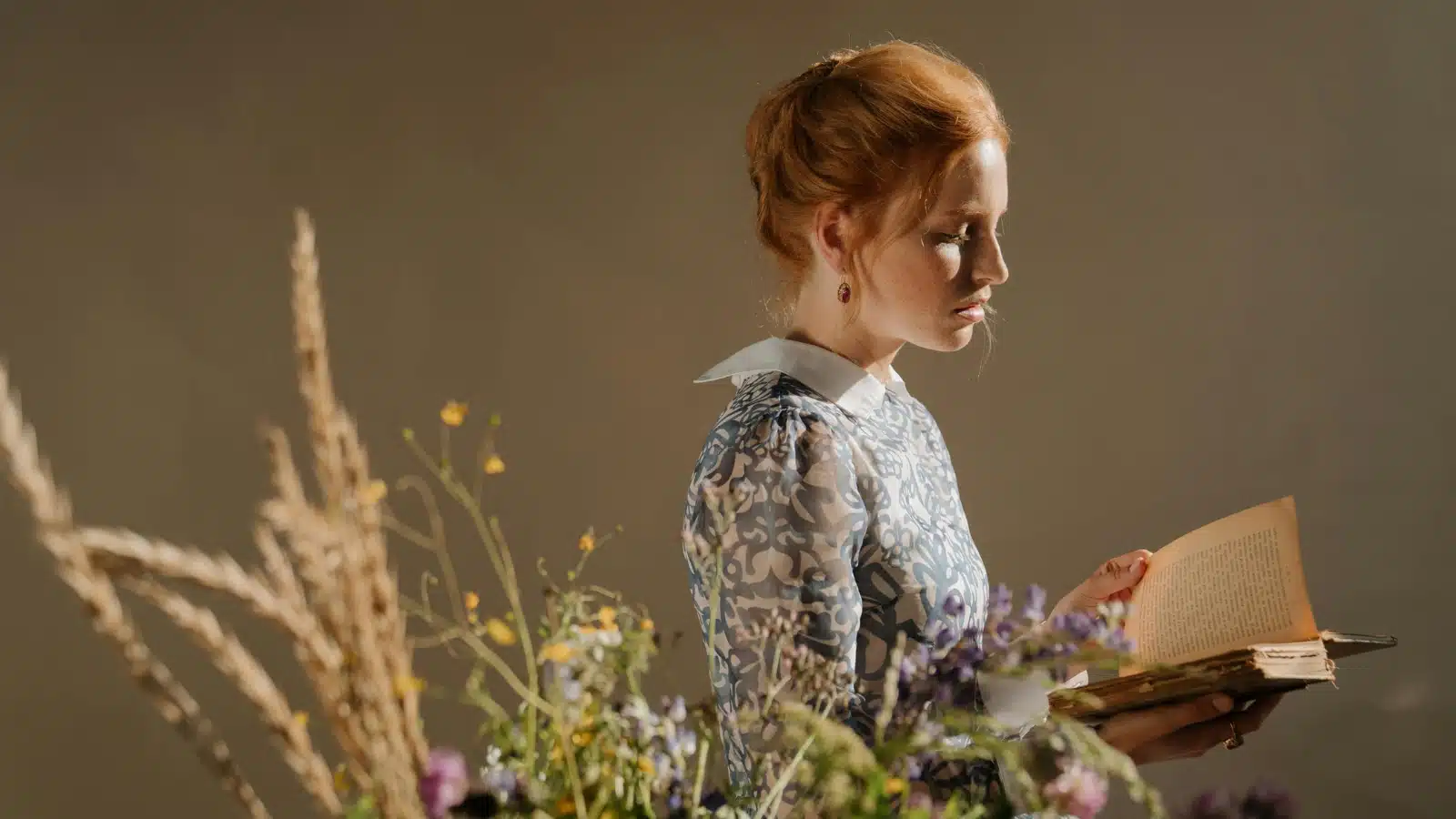
The red carpet is one of the most visible intersections of film and fashion, a moment where both industries collide in full public view, and where women's labour can be at its most concentrated and least credited. The stylist, the designer, the negotiations, the fittings, the cultural calculation of what a woman's body in a particular dress will communicate to a global audience: all of it done largely by women but framed often as something that happens to them.
Happily, something is shifting here though. Men on red carpets are having a genuinely creative moment. Timothée Chalamet in his backless John Galliano. Harry Styles in his Gucci suits and pearl earrings, blurring the boundaries between fashion, music and a kind of joyful self-invention that women have long understood and men are only now beginning to explore. If that reads as liberation, it should. Women have been speaking this language for decades, often though, at their own peril. Best and worst dressed lists continue to reduce this brilliant intersection of commercial and creative to reductive, often cruel comments that unpick this female power.
The relationship between film and fashion runs deeper than awards season, of course. Through the prism of the largest, most influential houses, the gender designer list tells a story the industry has been slow to acknowledge.
Still today, in 2026, only ten of 33 creative director roles at houses designing for women are held by women, and only two of those are women of colour. And yet the commercial case for female creative leadership is almost embarrassingly clear. Sales doubled during Virginie Viard's tenure at Chanel. Between 2017 and 2022, Dior became one of the industry's fastest-growing brands, revenues tripling to €6.6 billion, under Maria Grazia Chiuri's creative direction. What both women shared was not simply talent but a precise, unsentimental understanding of what their customers actually need from their clothes.
That instinct is visible in a new generation too. Rachel Scott, in her debut for Proenza Schouler, didn't sketch her vision in isolation. She invited customers to dinner, including an art advisor, a writer and a retired lawyer, and listened. The resulting collection was praised by The Cut for its "sense of women's lives." Louise Trotter's Bottega Veneta drew applause for coats with "large, functional pockets." These are not small details. They are evidence of a designer who understands that clothes exist within a life, not outside one.
Which brings us to the backlash.
In literature, the growing visibility of female authors has not been met with celebration in all quarters. It has, in some corners, been met with institutional alarm. A male-only publisher, Conduit Books, was founded in direct response to what its founders perceived as the marginalisation of male writers. The argument rests on the idea that women are now dominating the conversation at the expense of men.
The data does not support the panic. With women accounting for 80% of fiction sales, it’s clear that the audience has always been there. What’s changed is whose stories are being told to it, and who is being recognised for telling them. That, apparently, is enough to prompt the founding of an entirely separate institution.
The European Theatre Convention found that productions written or directed by women were more likely to be gender-balanced than those written or directed by men. Not more female-skewed, just more balanced. Women's creative leadership does not narrow the conversation. It opens it.
Perhaps this is what makes it threatening.
The discomfort is not really about displacement. It is about what becomes possible when women are given the authority to define what the work is for and who it speaks to. In film, it produces performances and images that reflect women's actual lives back at them. In fashion, it produces clothes with pockets. In literature, it produces stories that 80% of readers want to read. None of that diminishes anyone. It simply, and perhaps for the first time, includes everyone.
What to read next


