






When Sarah Mullally walked through Canterbury Cathedral as the first woman to become Archbishop of Canterbury, she took a seat men had held for more than 1,400 years. Also in the past 12 months, Katie Taylor became boxing’s undisputed world champion at 40 in front of more than 80,000 people, and Victoria Beckham proved her critics wrong as her fashion house turned a profit. These are the women over 40 who made looking away impossible.
theALLBRIGHT’s first global 40 Over 40 listing celebrates the women who, in the past year, have been their bravest, cleverest and sometimes most stubborn selves. It sits at the centre of our Power Years campaign, which stands up for women in midlife and is built on the simple truth that experience is our greatest advantage.
We are proud to present these forty women alongside UKLASH, a brand that from day one has believed the best is still to come. As Sophia Taylor, Senior Brand Director at UKLASH, puts it, “Our Never Stop Growing® philosophy is a commitment to growth in every area of life, and to continual progress, both personally and in the support of our community. The women featured in 40 Over 40 are a powerful expression of that philosophy, showing that achievement, reinvention and ambition grow with experience. We’re incredibly proud to recognise and celebrate them.”
Each of our five categories is a place where women’s experience is changing what happens next, whether that’s Anita Lim’s research sending cervical screening kits to the homes of millions or Wunmi Mosaku winning a BAFTA and an Oscar nomination for Sinners. Every woman here made her mark in the past twelve months, but each drew on the years before: the false starts and hard calls, the second chances and lessons she had to learn herself. That is Power Years, and 40 Over 40 is what experience looks like in full view.
When a shareholder told the head of one of Britain’s biggest insurers that she wasn’t the man for the job, she kept going, and has since grown its profits by a quarter. Another founder couldn’t get an adviser to return her call about her own pension, so she built a company for everyone in the same position. Others have not let external adversities or brain surgery stop them, instead pushing forward despite these challenges. Female-founded businesses still receive only about 2p of every £1 invested in the UK, which makes every balance sheet here an especially inspiring act of defiance.
Credit: Rebeka Harris
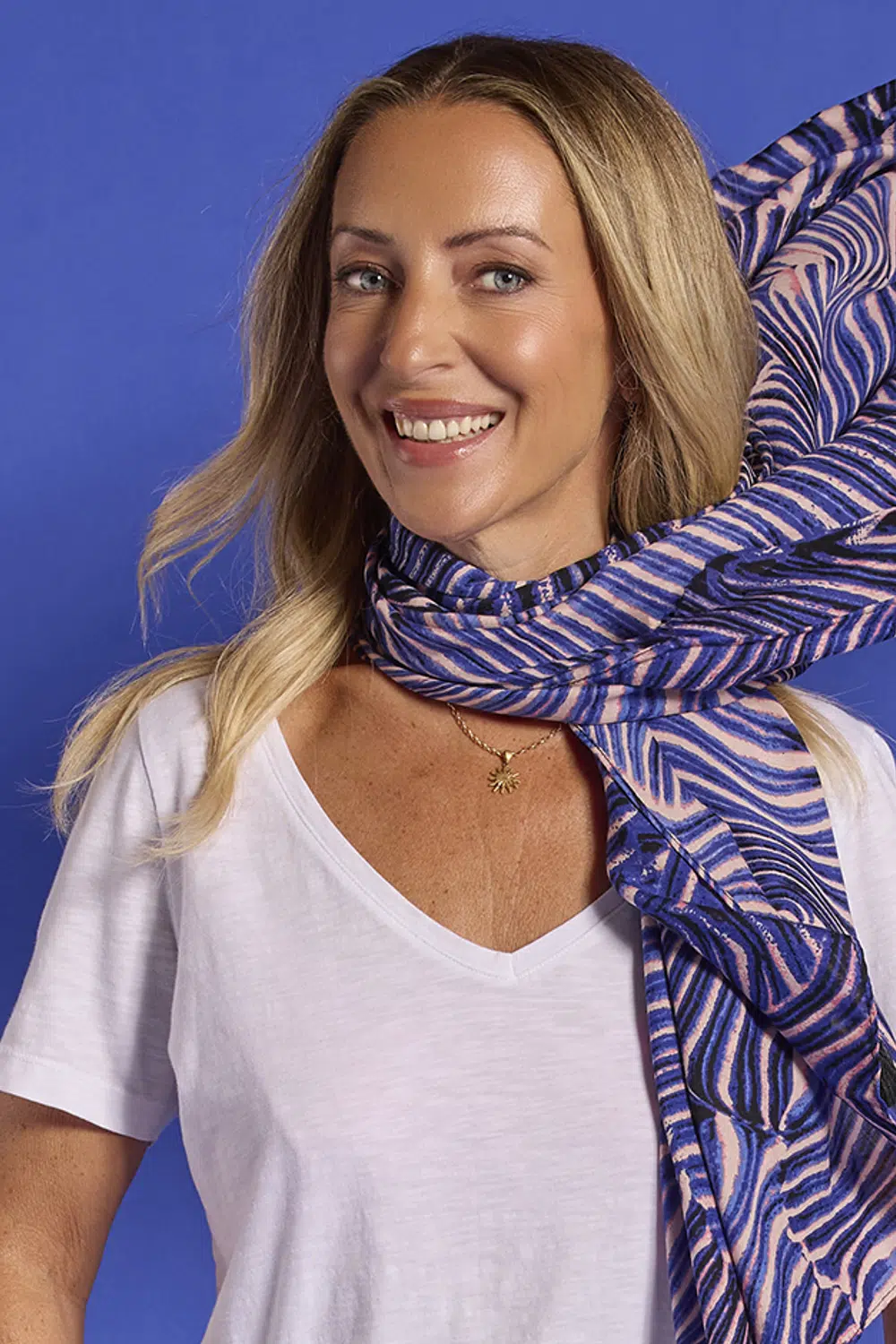
From a hospital bed after brain surgery, missing her two young sons, Jo Tutchener Sharp dreamed up the Superhero Sleep Buddy, and in 2016, at 40, it became the founding product of Scamp & Dude. Every one sold still sends another to a child who is seriously ill or has lost a parent. Ten years on, the B Corp brand has given more than 10,000 Sleep Buddies, over 98,000 Super Scarves for women starting chemotherapy and donated over £4 million. In 2026, Tutchener Sharp was awarded an OBE.
She has created extraordinary support for people experiencing cancer treatment, helping bring comfort and confidence at a time when changes to hair and appearance can feel deeply personal.
Sophia Taylor, UKLASH
Credit: Matteo Prandoni/
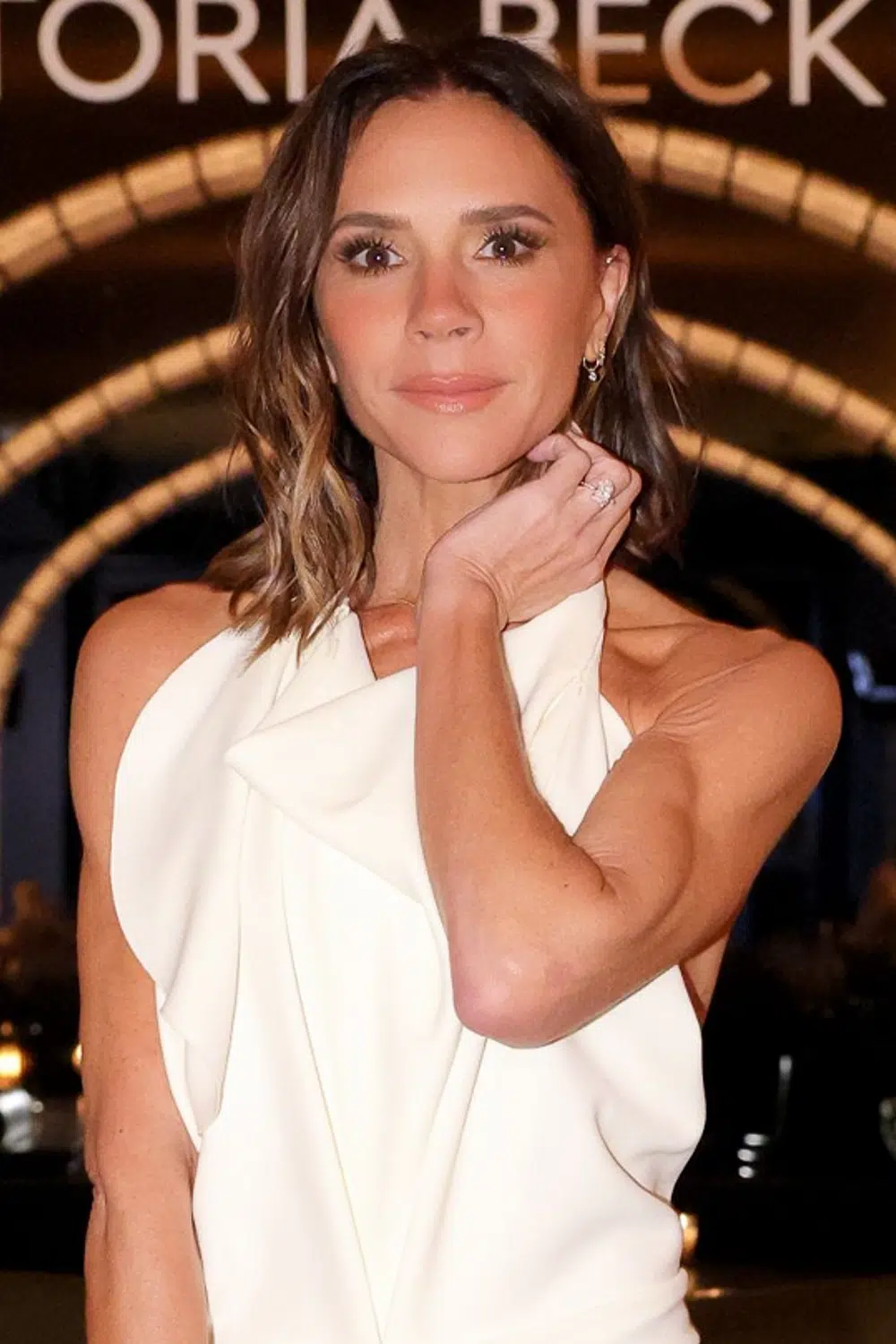
Victoria Beckham has been public property for three decades, and her press has not always been kind. When she launched her fashion label in 2008, the sniggering came as standard: a vanity project, critics said, and surely someone else was doing the work. For years the business lost money, and she cried before work most days. This year it posted its first operating profit, £7.3m, on revenue up 15% to almost £130m, proof of business acumen and staying power. Announcing the results, its chief executive Sybille Darricarrère Lunel said:
Achieving our first operating profit is a landmark moment for Victoria Beckham.
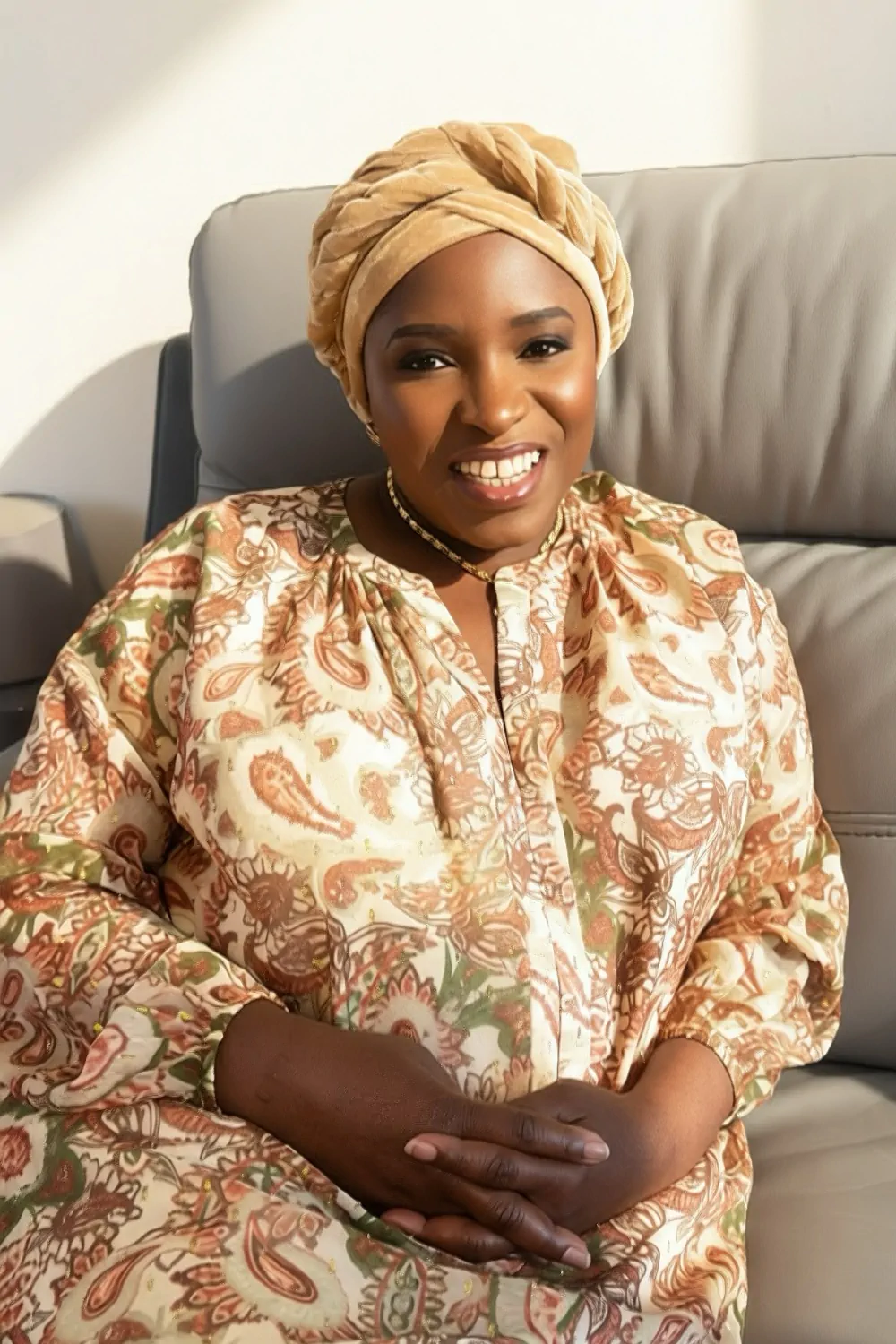
After a stroke at 35, weeks after giving birth, Lawal later survived kidney failure and a transplant. After a decade in the Civil Service, she founded Clip-Knix in her fifties: underwear that fastens at the front, designed for women with limited mobility. Earlier in 2026, she was made an MBE for services to disability and entrepreneurship.
I created Clip-Knix so that no woman should lose her dignity simply because her body has changed. Our mission is to remove barriers through inclusive design, giving women greater independence, choice and control, because dignity should never be a luxury.
Courtesy of Chanel
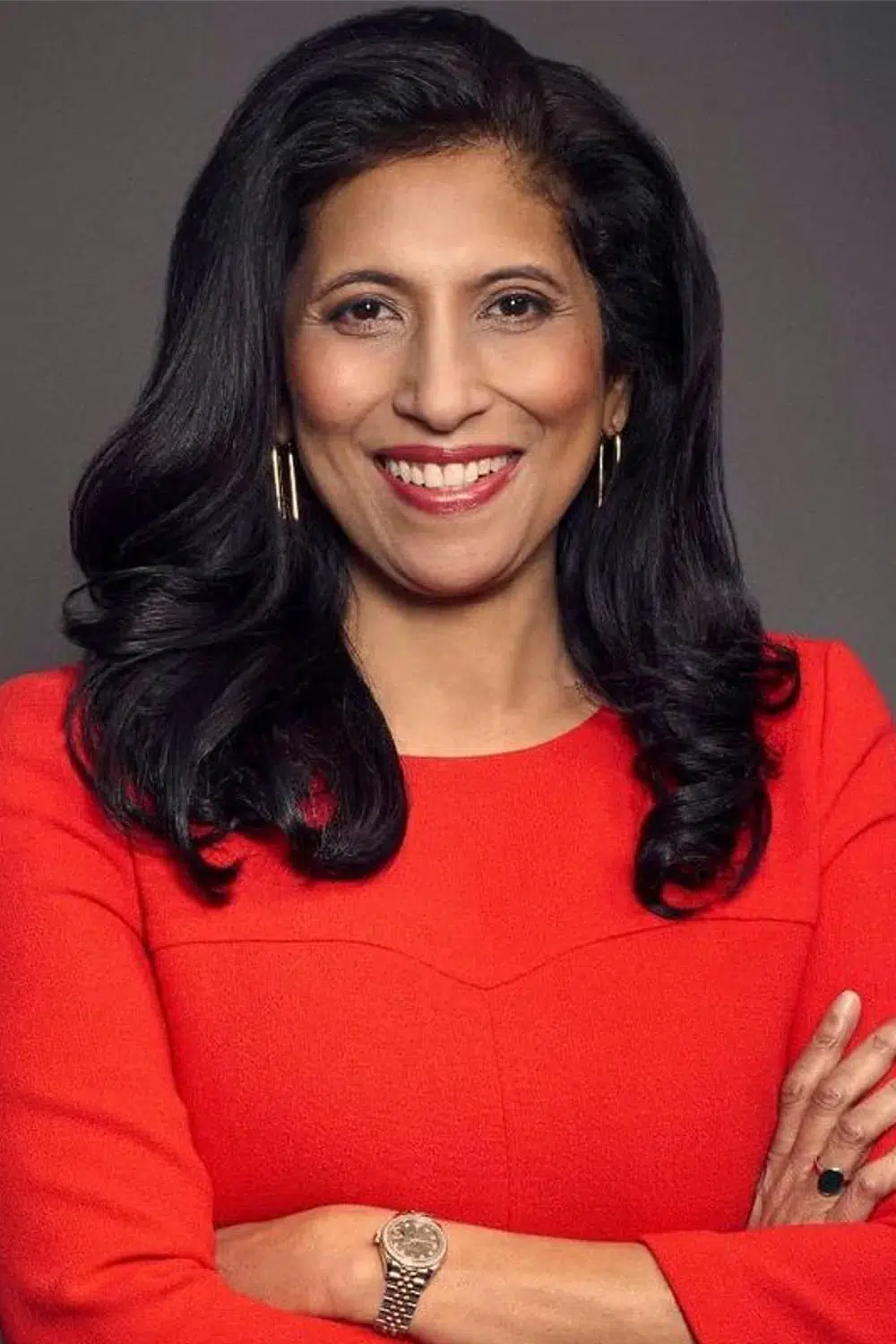
Leena Nair was the first woman in her family to go to university, and one of just 18 women among roughly 3,000 men at her engineering college. She went on to work night shifts on a Unilever factory floor in India, where no woman had done so before. Three decades later she runs Chanel, and when sales slipped in 2024, she backed a new creative director, Matthieu Blazy. His debut at the Grand Palais last October brought the audience to its feet, and by May the house was growing again, with revenue of $19.3bn. Announcing the results in May, she said:
Our consistent long-term approach, the unique appeal of CHANEL and continued investment in our Brand, people and client experience leave us well positioned for the future.
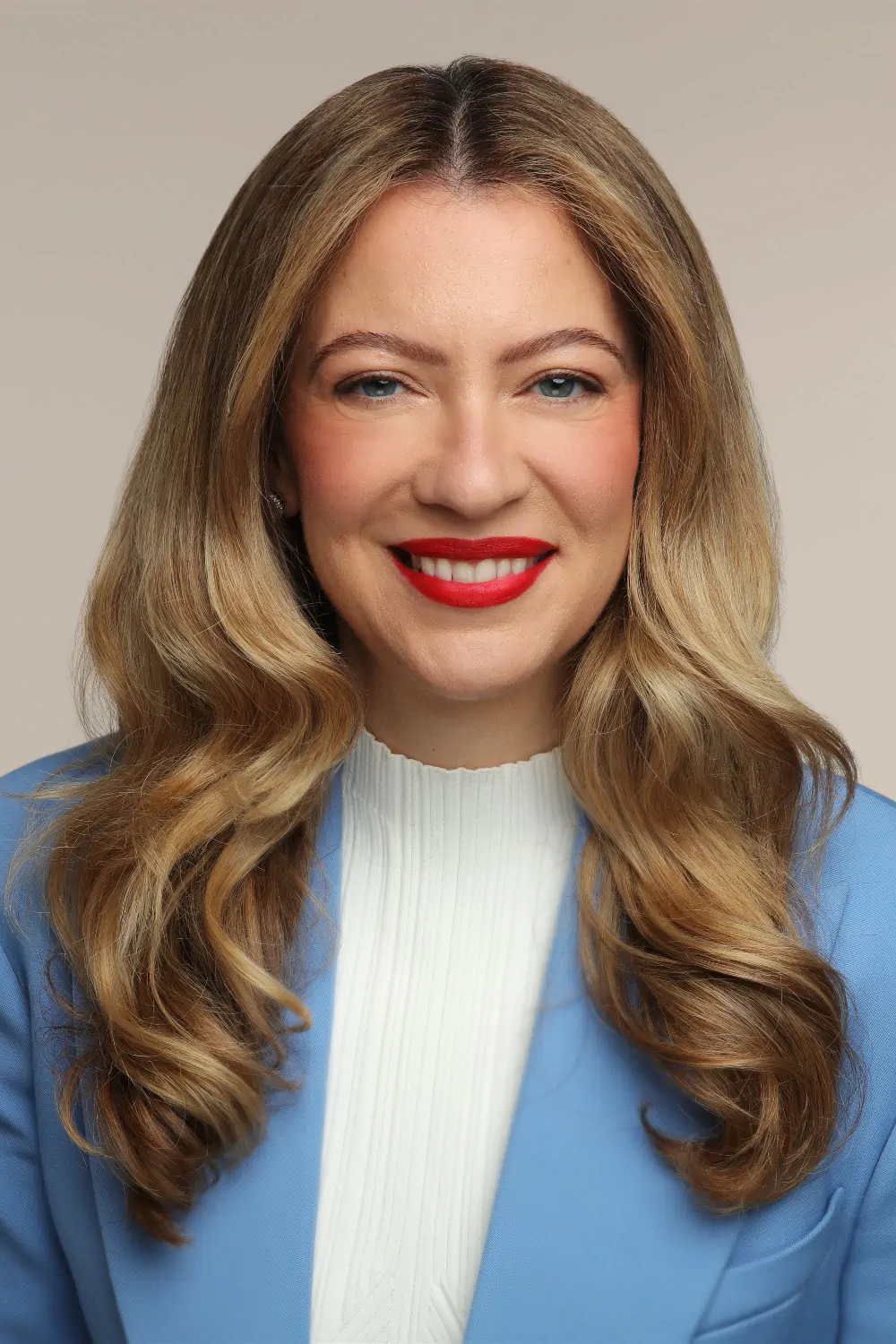
Courtesy of PensionBee
Romi Savova had a career in finance before she tried to move her own workplace pension and found that no adviser would call her back, because her pot was too small. Bemused and inspired, in 2014 she launched PensionBee to combine old pensions into one simple account; she took it to the London Stock Exchange in 2021, and this year PensionBee looks after more than £9bn for over 330,000 savers.
I spoke to many people and realised they faced the same problem: they wanted to make the best of their pensions, but were puzzled by the system.
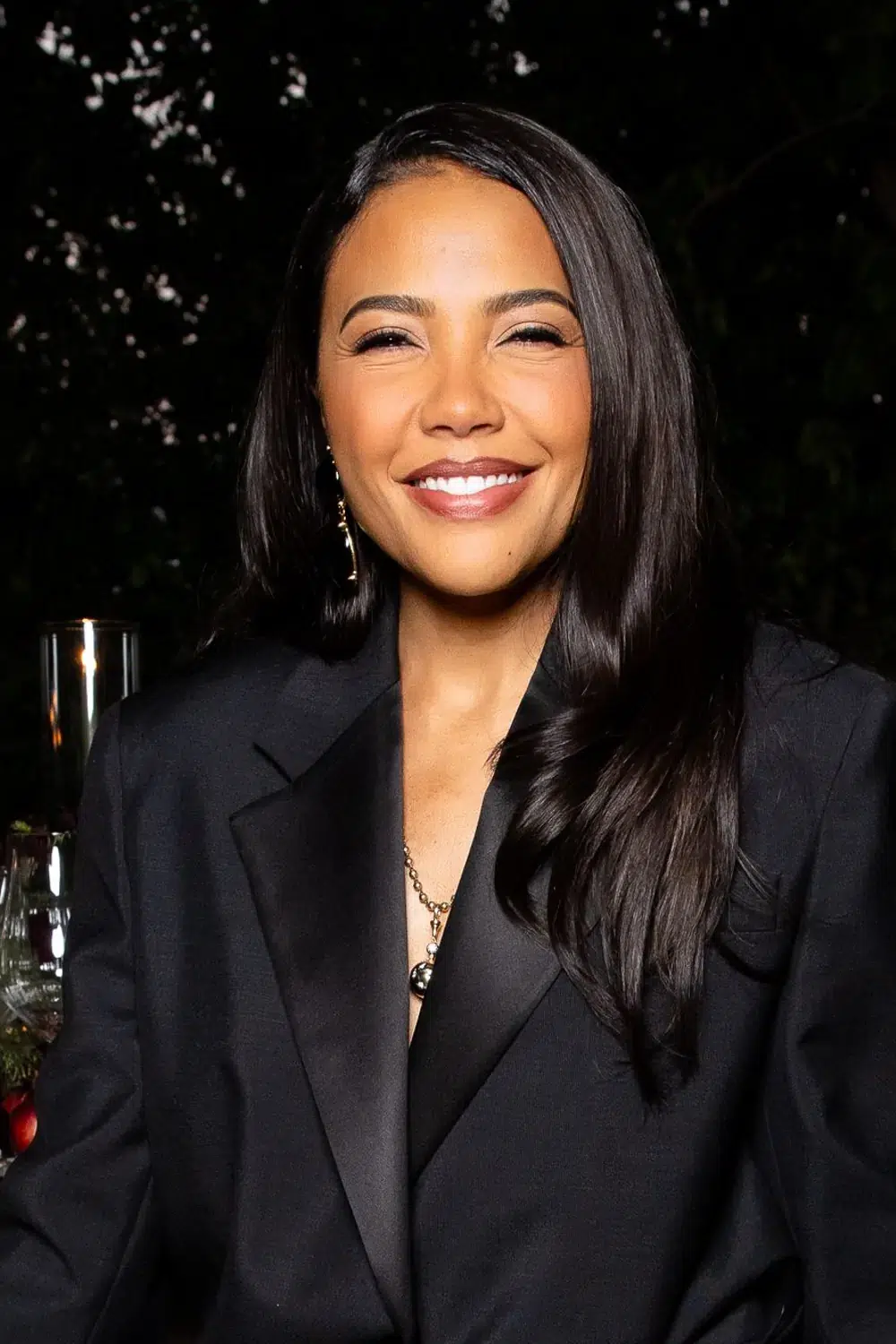
Credit: Jason Sean Weiss/
Emma Grede grew up in east London, leaving school at 16. In her mid-twenties she co-founded ITB, a talent and brand marketing agency, selling it a decade later before co-founding Good American, which took $1m on its first day, and is a partner at Kim Kardashian’s mega business Skims, valued at $5bn. When Grede called working from home a career killer for women, the backlash was loud, but she held her ground and set a new standard for female role models. She still gives four mornings a week to mentoring female founders, especially Black women.
I don’t get ready; I stay ready
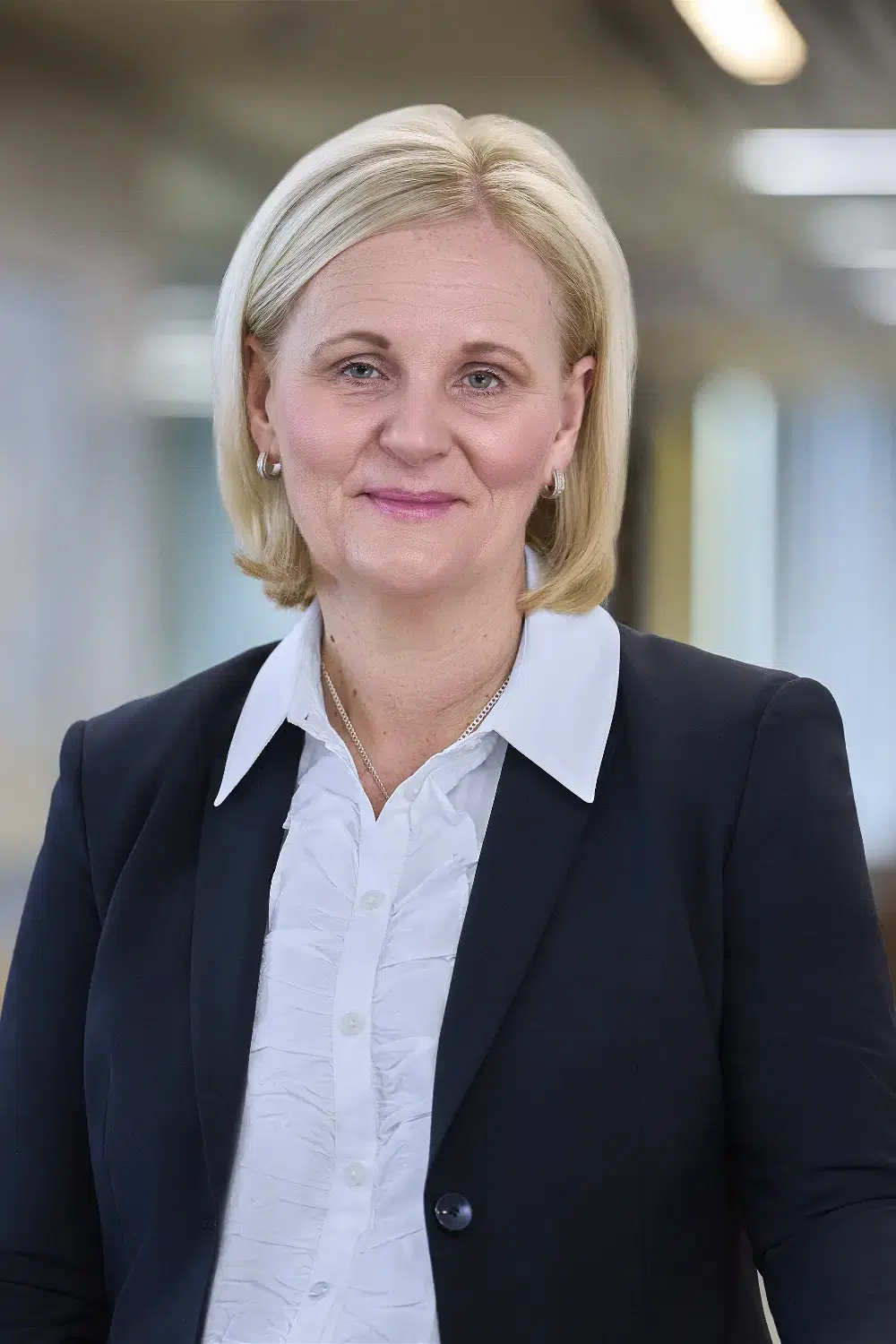
Credit: Andy Wilson
Five years ago, Blanc took charge of a 300-year-old, struggling Aviva, becoming the first woman to run it. Blanc made some difficult decisions, refocusing on Britain, then spent £3.7bn on Direct Line to bring around 20 million UK customers under one roof. This year she delivered £2.2bn in operating profit, 12 months ahead of schedule. The Welsh-born chief has been just as bold on culture, calling out sexism in the City and personally signing off senior hires of white men to break up old networks.
I don’t get ready; I stay ready
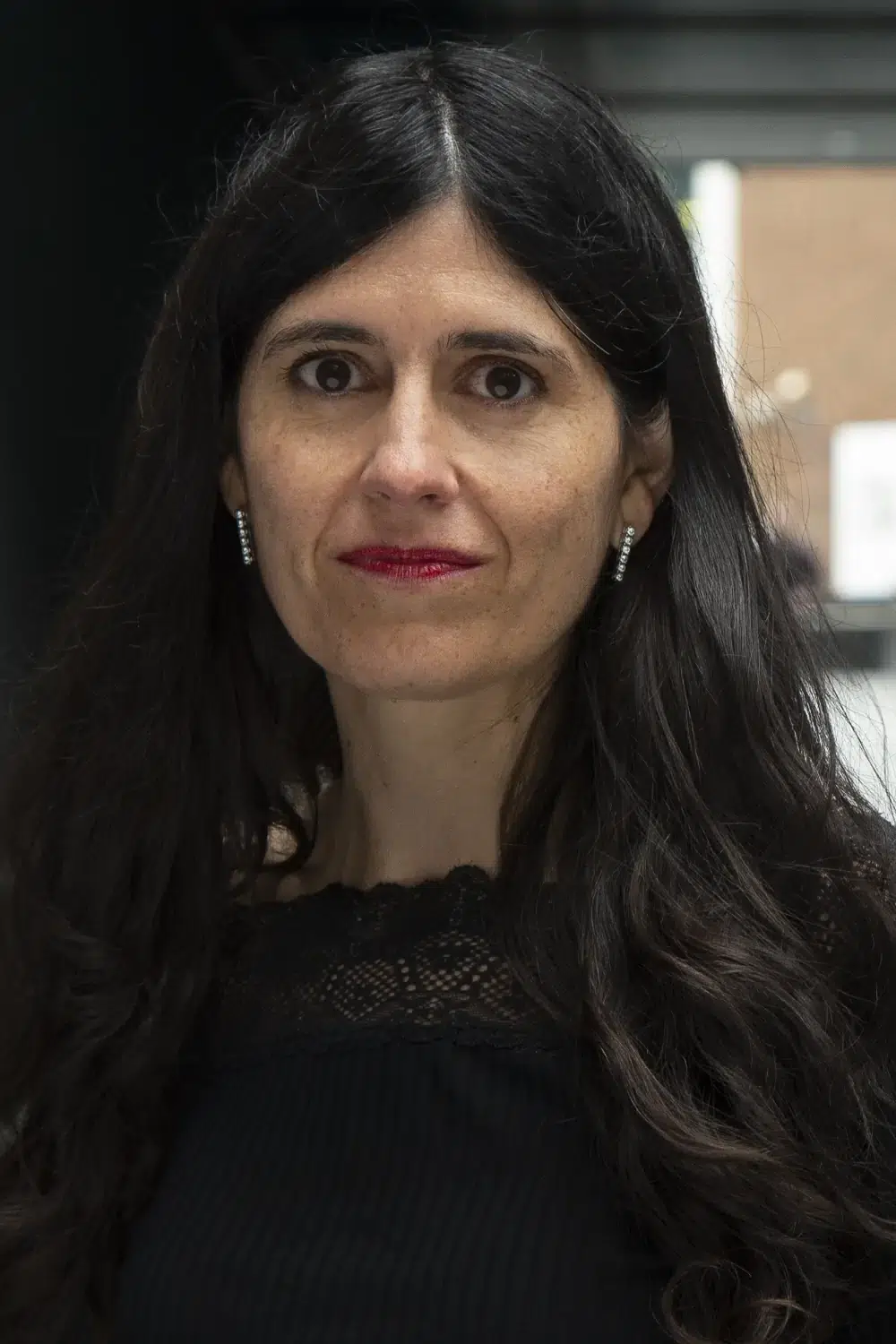
After spending two decades convinced that technology should make access to health more equal, Esther Rodriguez-Villegas launched AcuPebble, a small sensor that tests for obstructive sleep apnoea at home. It arrives by post, is worn on the neck for one night and then goes back to be used by the next patient, so nobody needs a trip to the hospital. In one NHS service alone, that has cut plastic waste by 99% and saves around 12.6 tonnes of carbon emissions a year.
There simply weren’t enough people or resources to keep up with care, and those with chronic conditions paid the price, because what won’t kill you tomorrow always loses out to what might today.
The future is being built at speed, in labs, in code and in policy papers. This year midlife women had their hands on all three. For some, that meant closing the distance between a discovery and the person who needs it, so a test for oesophageal cancer can be picked up at the high-street chemist and a cervical screening kit lands on the doormat. For others, it meant writing the rules, from how the capital’s workers will be ready for AI to who owns the words the machines learn from, while one took the search for life far beyond our Earthly limitations.
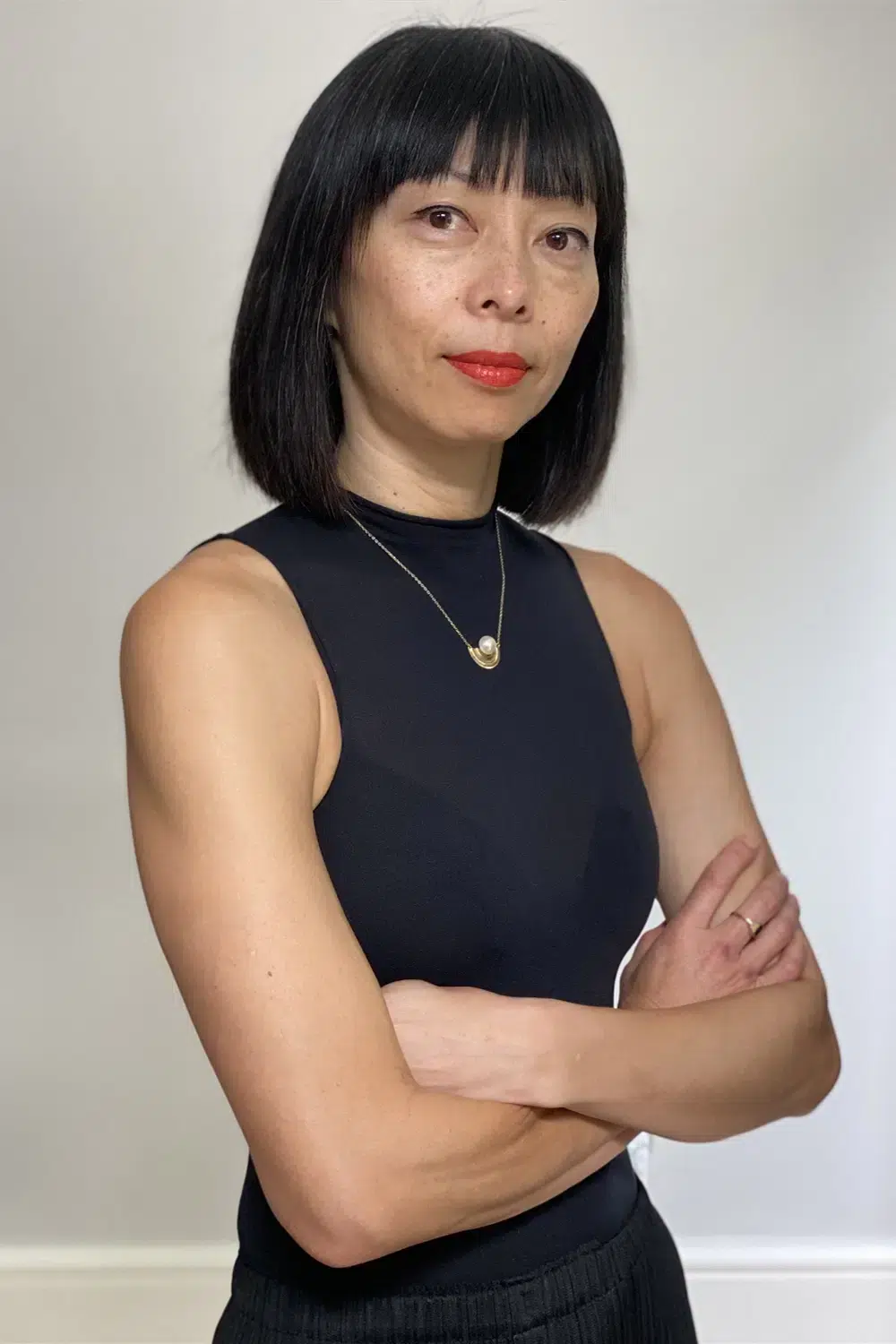
Credit: Crighton Bone
Early in her career, Lim sat with young women living with cervical cancer; their stories never left her. Some did not get smear tests because of embarrassment, others fear of discomfort or simply never finding the time. Her YouScreen research answered all three with a kit women can use at home. In August it became NHS policy, offered to almost four million women in England who are overdue. It is predicted her work could bring around 400,000 more women into screening every year, a change she calls the proudest moment of her career.
Dr Anita Lim demonstrates the impact science can have when it begins with understanding the real barriers women face.
Sophia Taylor, UKLASH
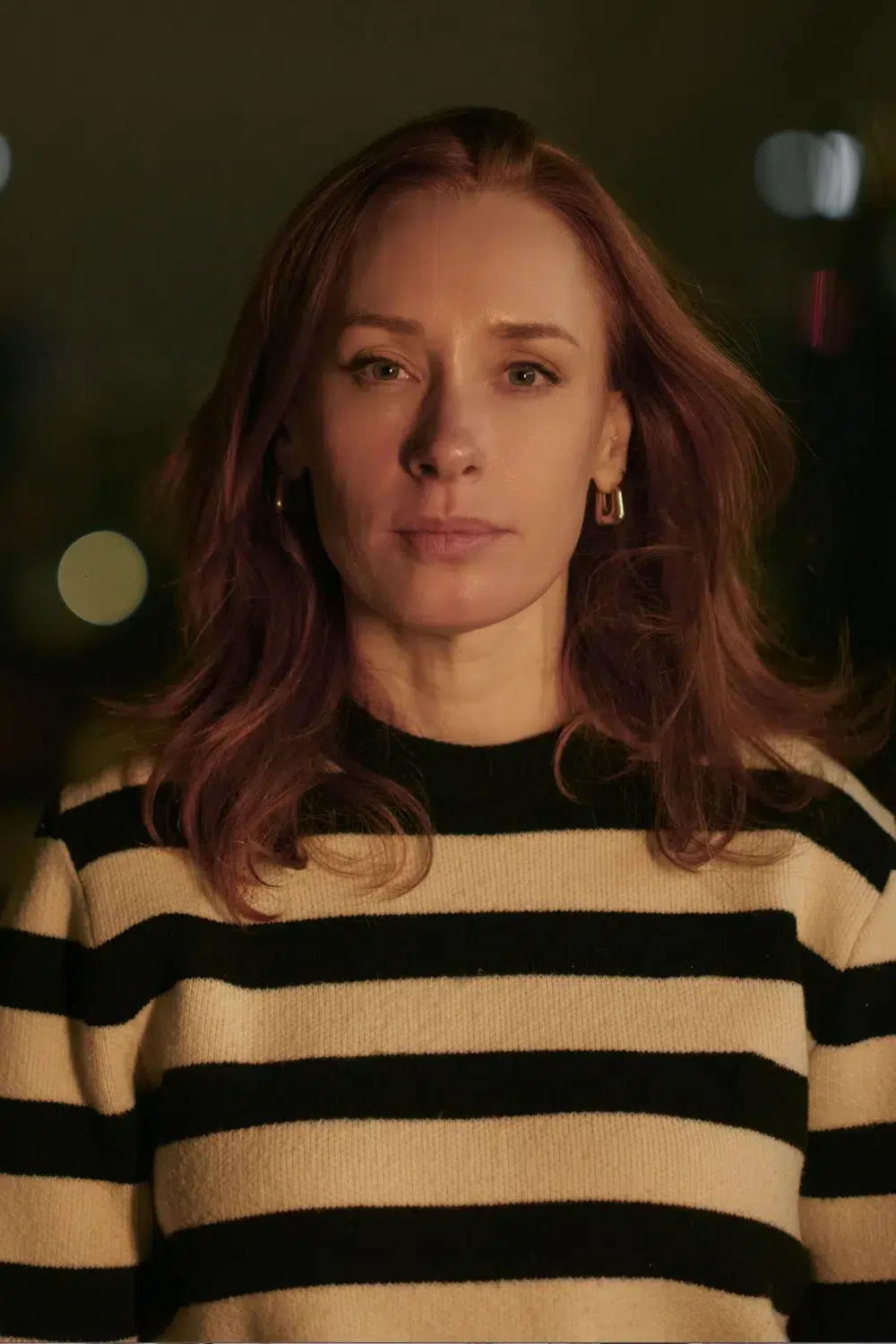
Credit: BBC/
Fry is the face of maths that a generation of girls can see themselves in. This year she became the first woman to win the Leelavati Prize, the global award for bringing maths to the public, given only once every four years. At 42, she turned that same clarity on AI. Her BBC Two series sat with people whose lives had been upended by an algorithm’s decision and became the ethical voice the debate needs, asking who stays in control when the machines get it wrong.
I don’t get ready; I stay ready
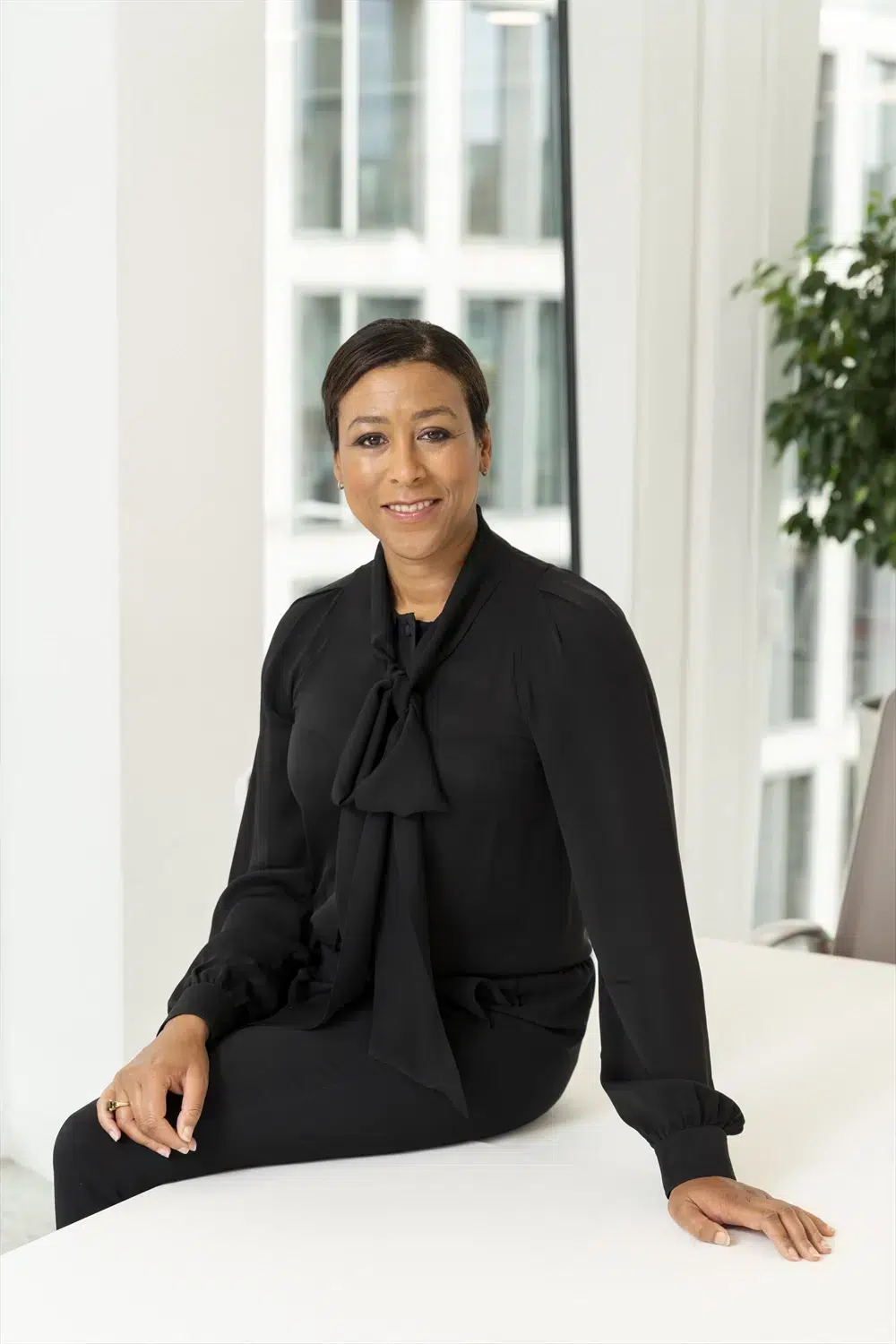
Courtesy of Pam Maynard
The daughter of Barbadian parents, a nurse and a bus driver who retrained as a welder, she was the only Black child in her class and the first in her family to go to university. Maynard rose to run Avanade, launching more than 300 university scholarships for women in STEM along the way. Now she leads AI transformation across Microsoft’s customer and partner business, proving what the technology can do inside one of the world’s biggest companies, and she is determined that women help build what comes next.
This is a moment for women to step forward with curiosity and confidence, to ask questions, and to experiment openly. We don’t need to have all the answers.
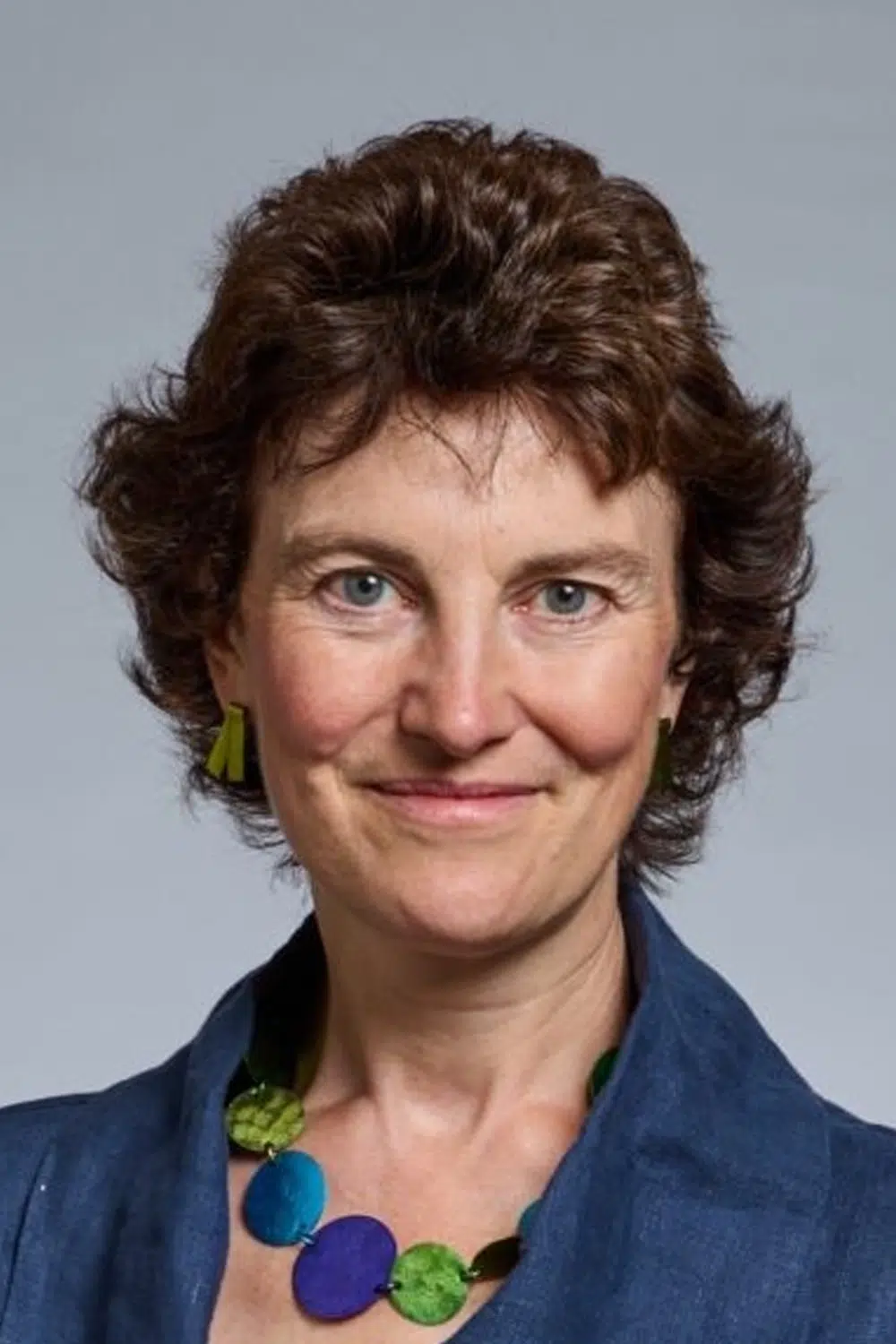
Credit: The Royal Society
Oesophageal cancer is usually found too late, so Professor Rebecca Fitzgerald has spent twenty years working to change that. Her capsule sponge, swallowed on a string and drawn back up to collect cells, can spot the warning signs years before cancer takes hold. In August it moved out of hospitals and on to the high street, offered in pharmacies in London and the East Midlands, so that the British public can be checked in the time it takes to collect a prescription. Caught at its earliest stage, almost two in three people survive oesophageal cancer for at least five years, proving the importance of Professor Fitzgerald’s work.
I am looking forward to making proactive diagnosis and treatment of cancer a reality and enabling others to build their careers in this important area.
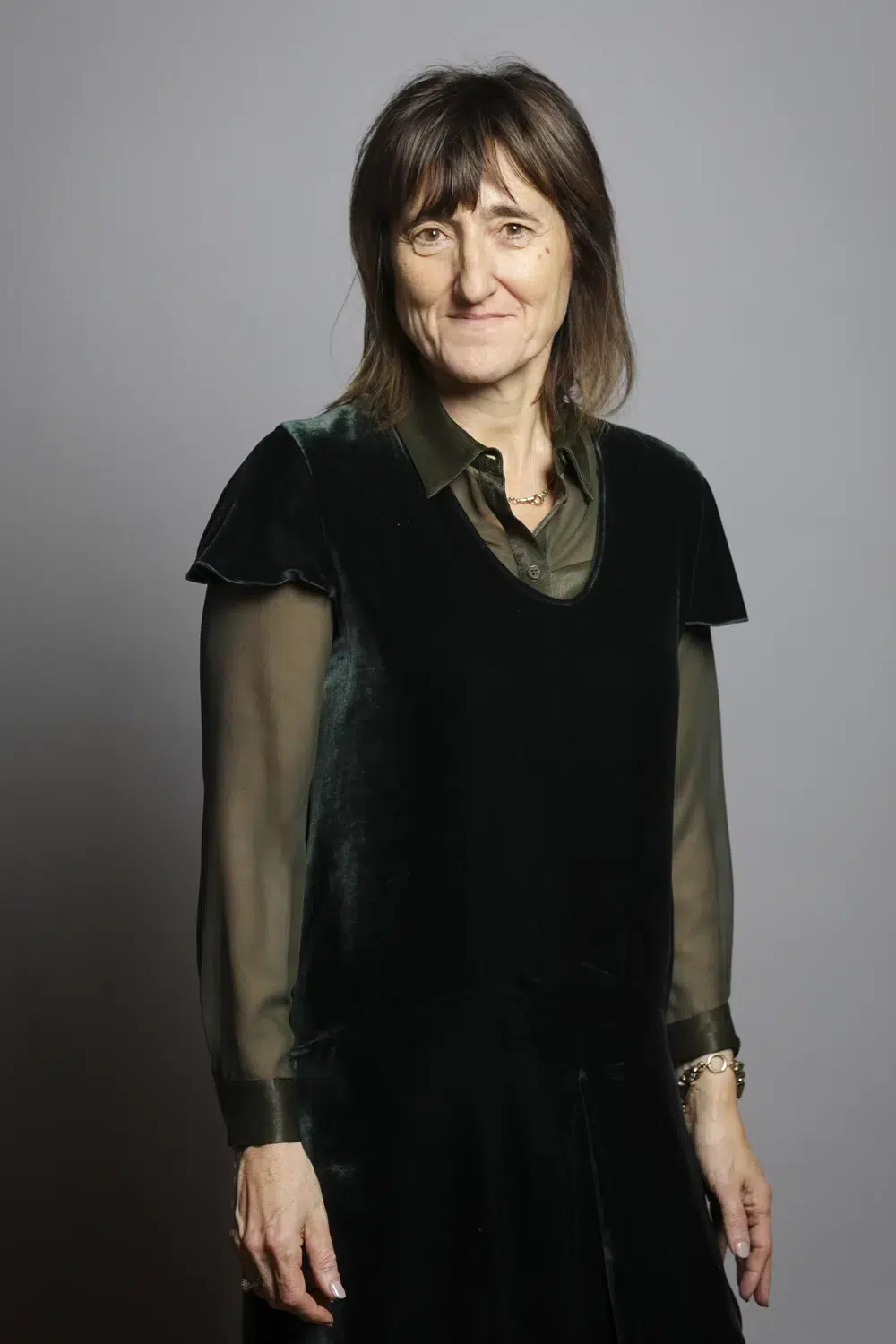
Credit: Roger Haris
The film director who brought Bridget Jones back to the big screen became one of Big Tech’s most formidable opponents. When the government planned to let AI firms train on artists’ work unless they opted out, Baroness Kidron rallied the creative industries against it, and in March ministers dropped the plan. By September her fight for artists went global, as she warned Australia’s prime minister not to hand creators’ work to AI firms the way Britain nearly had. Also, this year, the Lords backed Kidron’s amendment to make it a crime to build chatbots that produce harmful content for children, a change supported by the NSPCC.
I don’t get ready; I stay ready
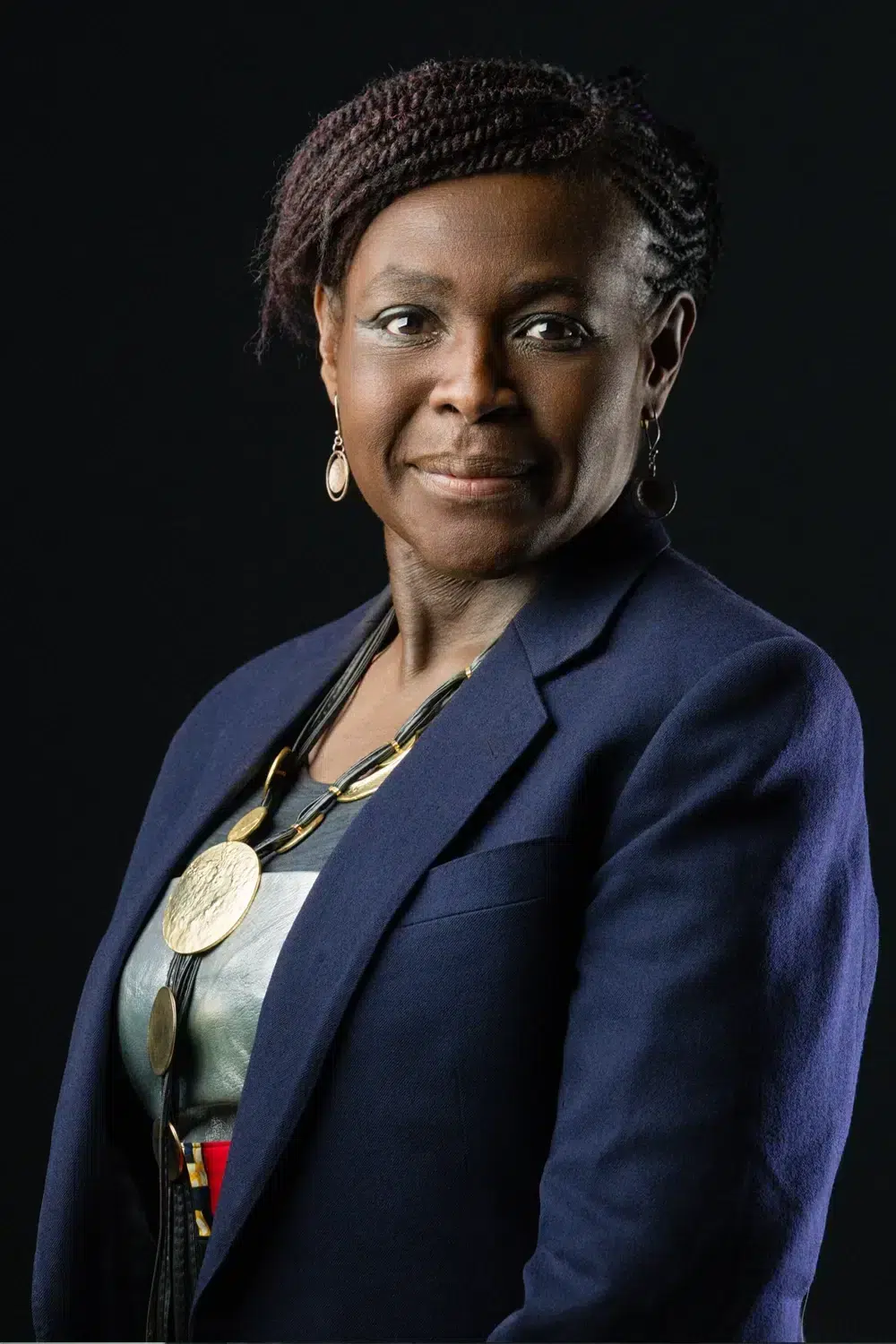
Credit: Paul Wilkinson
Growing up dyslexic but determined to reach space, Aderin has spent her career making sure other children believe they can too. Last Christmas she became the face of the Royal Institution’s Christmas Lectures in its 200th year, asking a national television audience whether there is life beyond Earth. Her memoir Starchild shares her own truths about the girl nobody expected to become a space scientist. When the lectures were announced, she said:
I can’t wait to take this year’s Christmas Lectures audience into the farthest reaches of space and to the very limits of our understanding.
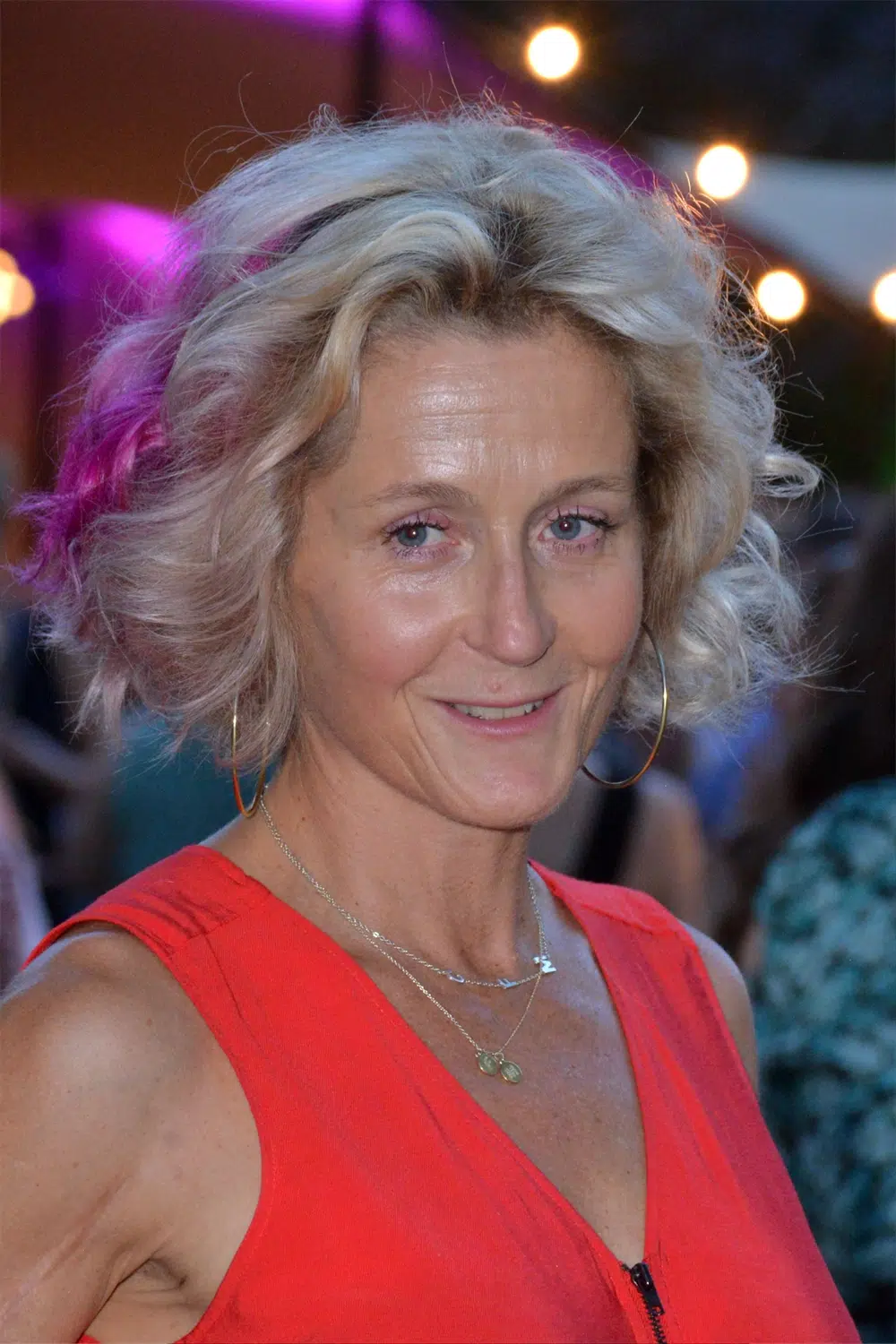
Credit: Nils Jorgensen/
This year, the Mayor of London asked Lane Fox to assess what AI really means for the capital’s jobs, with more than two million of them likely to change and the lowest rungs of the career ladder most at risk. Her taskforce reported in under three months, every recommendation was accepted, and £30m followed, including support for 6,000 young Londoners who are out of work or training. Announcing the groundbreaking plan, she said:
AI is changing how London works, but for many it still feels like something happening to them, not with them.
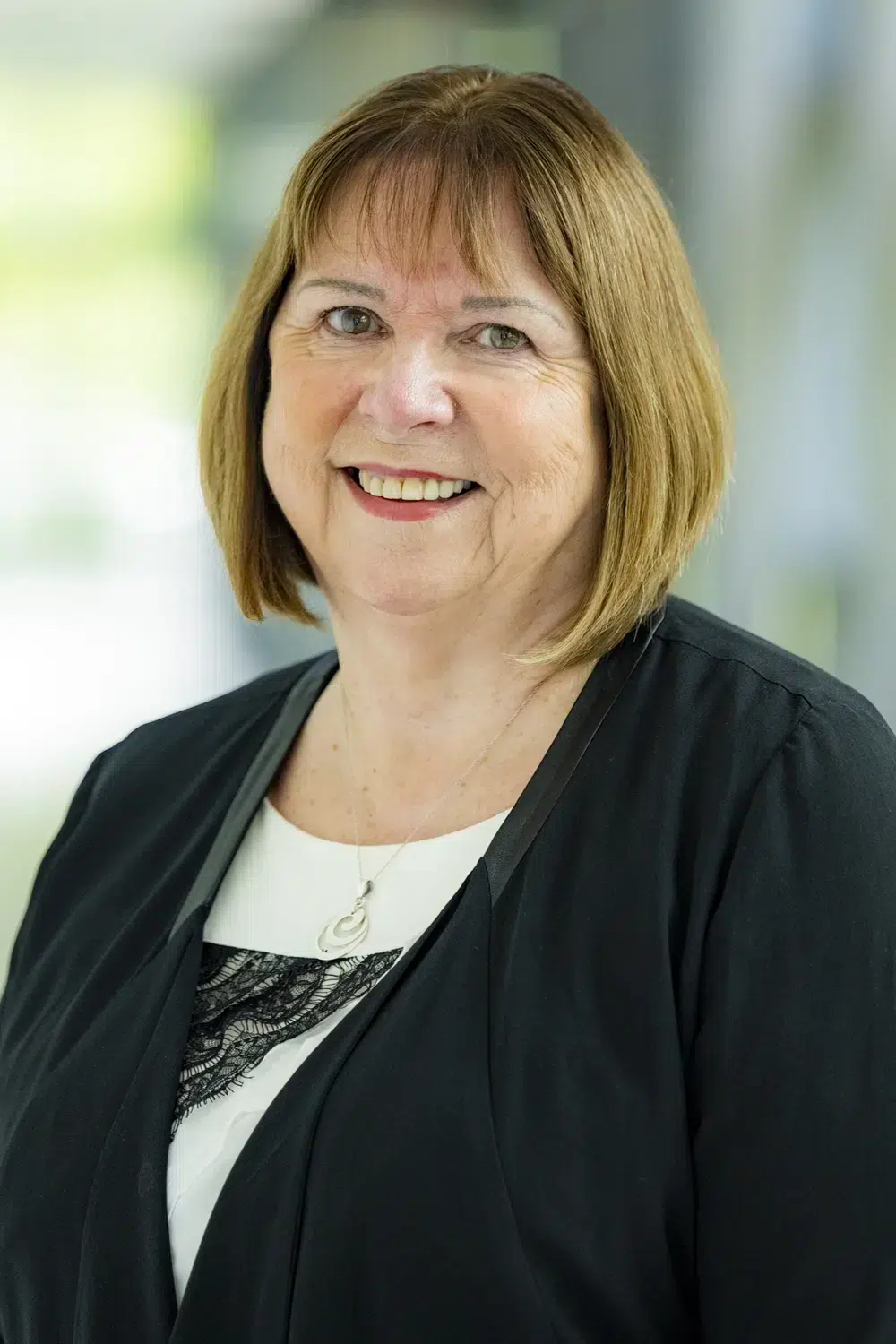
Credit: University of Southampton
Dame Wendy Hall is still the voice in the room asking the questions the AI industry would rather avoid. This year she published AI Explained, a plain-English guide democratising the technological changes affecting us all. In September she took the stage in her home city of Southampton as the new President of the British Science Association, calling for an independent authority to hold AI companies to account before the technology outruns its makers. Also, this year, the Royal Academy of Engineering awarded her the Sir Frank Whittle Medal, making Hall only the third woman to win it in 25 years.
I’m passionate about making sure that women’s voices are heard in the AI debate so that I’m not always the only woman in the room when AI is discussed.
The exquisiteness of art made in midlife is that it carries everything which came before, the craft, the pain, the exultant joy. This year that showed everywhere: in a National Theatre season led by its first woman director, in a prime-time drama about menopausal punks, in a book of women’s letters about desire from more than 50 countries, and on the walls of a pavilion in Venice. These women found wonder for others while making the space for their work to shine.
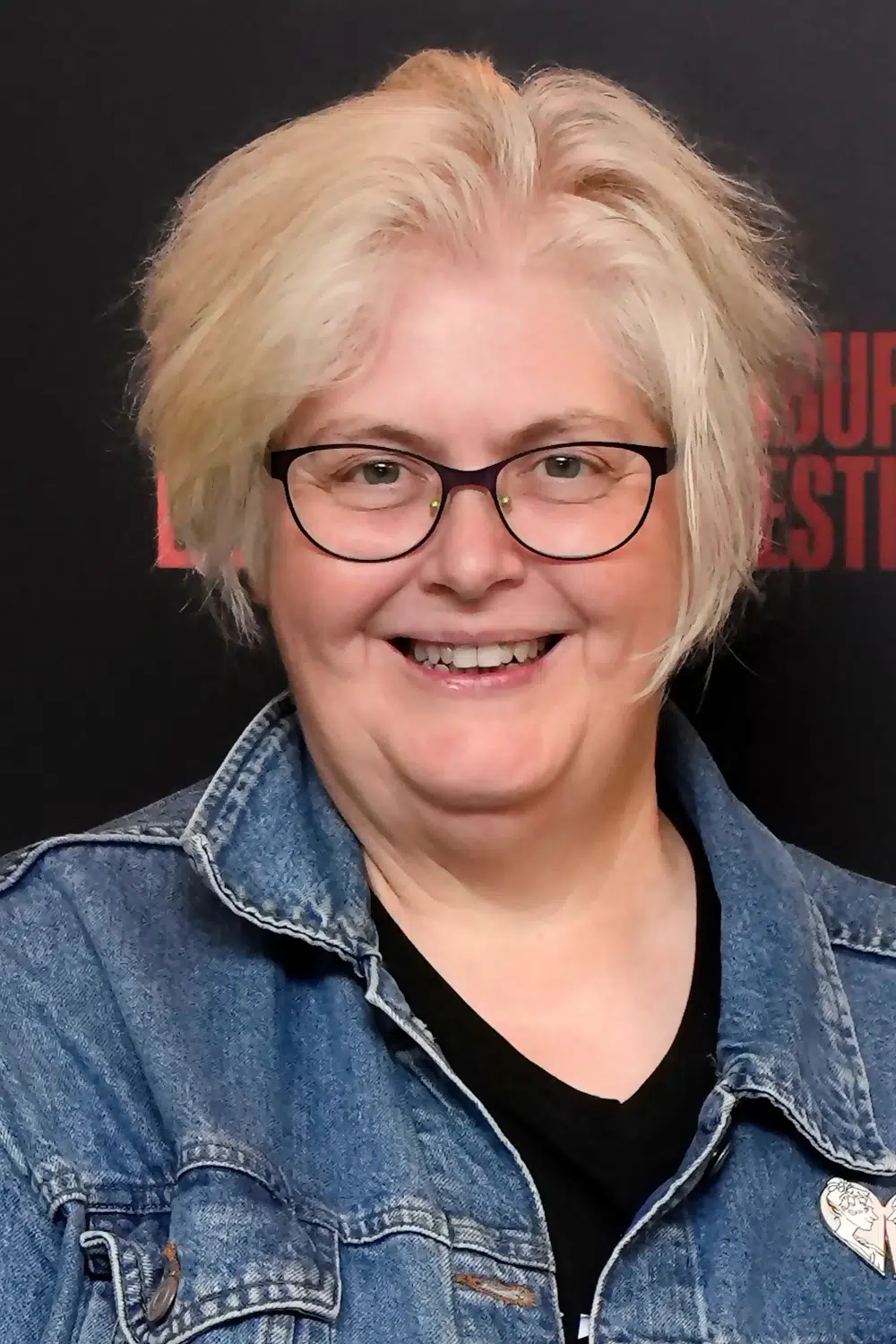
Credit: Stuart Wallace/
For three decades Wainwright has written women who run the show, from the police sergeant at the heart of Happy Valley to the diarist of Gentleman Jack. This year she created Riot Women: five midlife women in Hebden Bridge who form a punk band while juggling menopause, ageing parents and careers. Critics loved it, the BBC ordered a second series within weeks, and the Royal Television Society nominated her script.
Sally Wainwright is changing the way midlife women are represented in mainstream culture, putting their experiences, ambitions and relationships firmly at the centre of the story.
Sophia Taylor, UKLASH
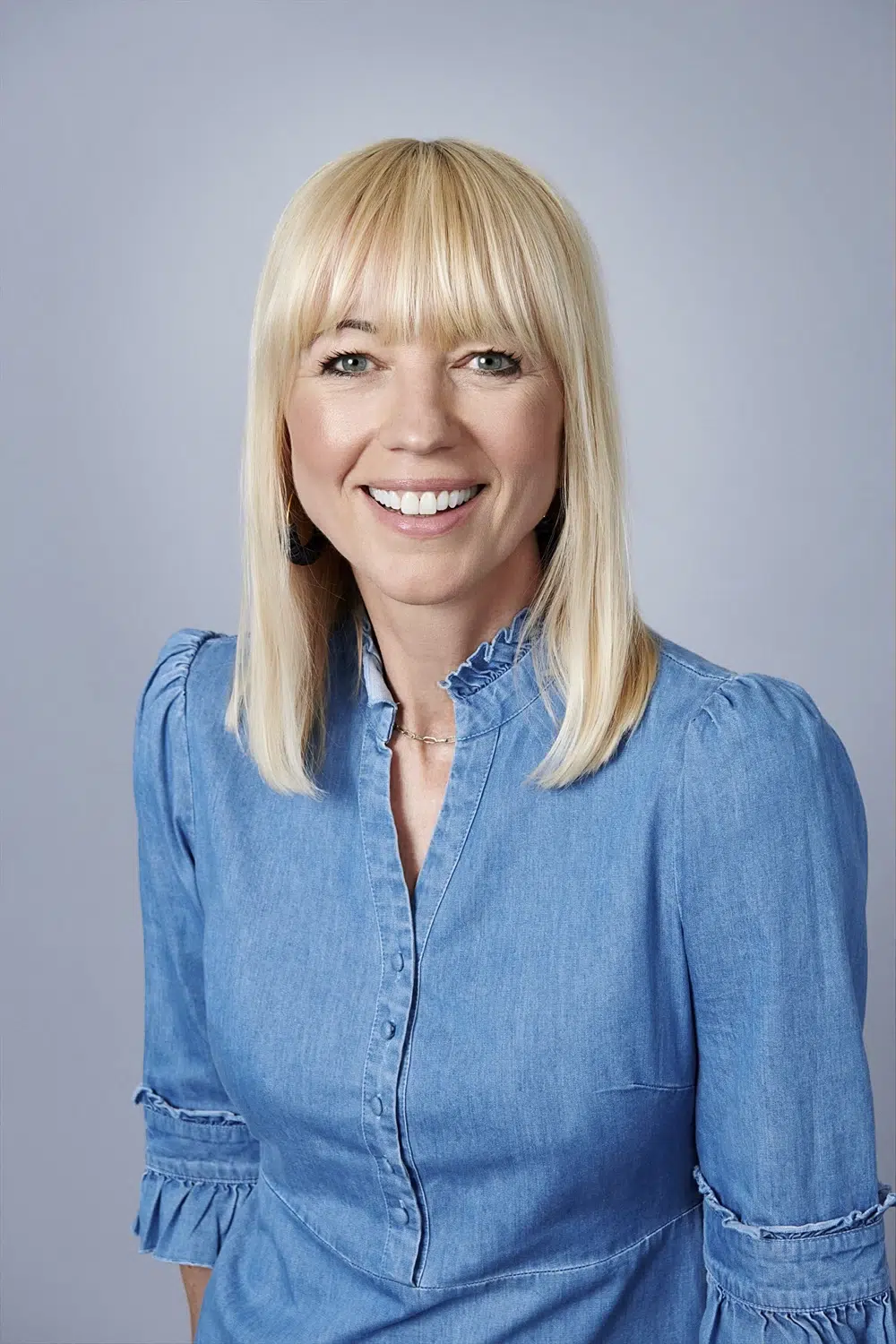
Credit: BBC/
A quarter of a century after presenting Radio 1’s breakfast show, Cox took over Radio 2 Breakfast in July, the most listened-to show in British radio. Months earlier she had run, jogged and walked 135 miles in five days, from Kielder Forest to Pudsey, raising more than £10m for Children in Need. When the challenge was announced, she said:
When they picked me to get Pudsey to Pudsey, I was honoured and horrified in equal measure.
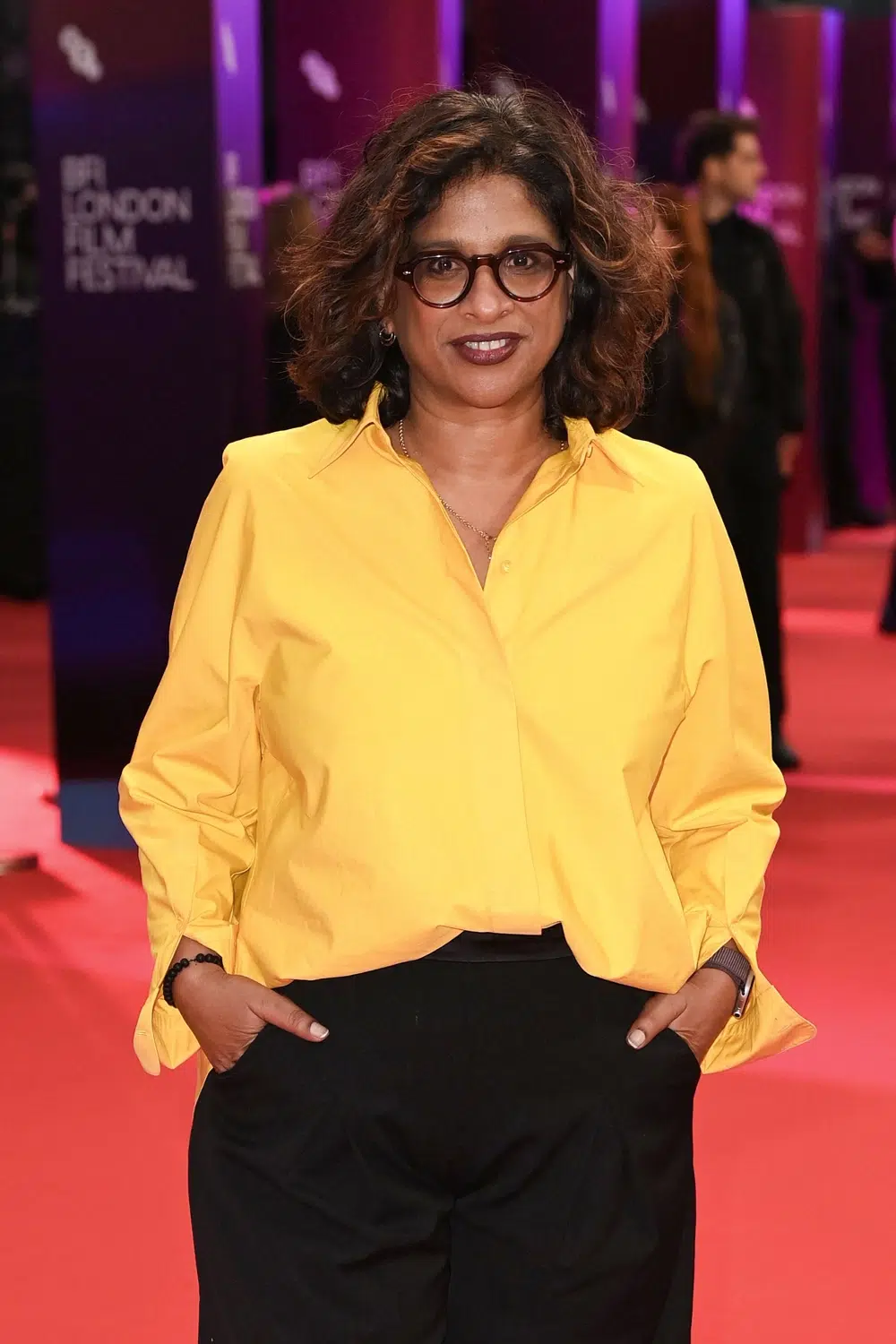
Credit: David Fisher/
Born in Sheffield to Sri Lankan Tamil parents, Rubasingham spent more than a decade running the Tricycle theatre in North-West London, making it one of the country’s boldest stages. Since taking charge of the National Theatre, she has directed Bacchae and The Misanthrope, with Sandra Oh, and in April the NT’s Into the Woods won the Olivier for Best Musical Revival. Announcing her 2026 season, she said:
It’s a privilege to stage work that theatrically explodes, surprises and challenges us to see the world anew.
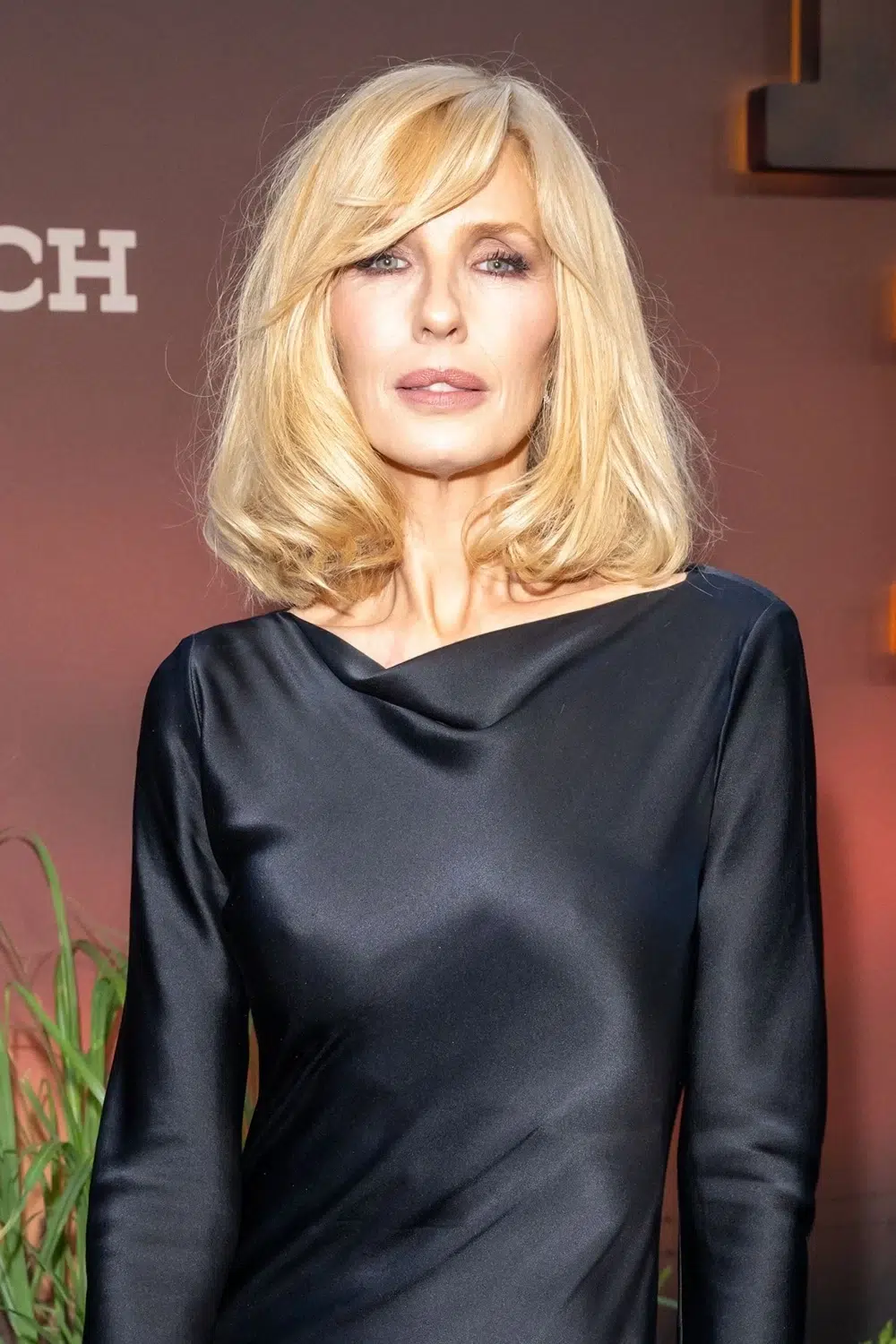
Credit: Thenews2/
Reilly was 40 when Yellowstone began, and Beth Dutton, ferocious, funny and utterly unapologetic, turned a respected British stage actor into one of the most recognised women on American television. Nearly a decade on, she is leading two worlds at once. In Sky’s Welsh thriller Under Salt Marsh she plays a former detective haunted by her niece’s disappearance, and in Dutton Ranch she returned to the character that made her, in the biggest series launch Paramount+ has ever had. Her career is proof that the best roles can arrive later, and keep coming.
I don’t get ready; I stay ready
Credit: BBC/
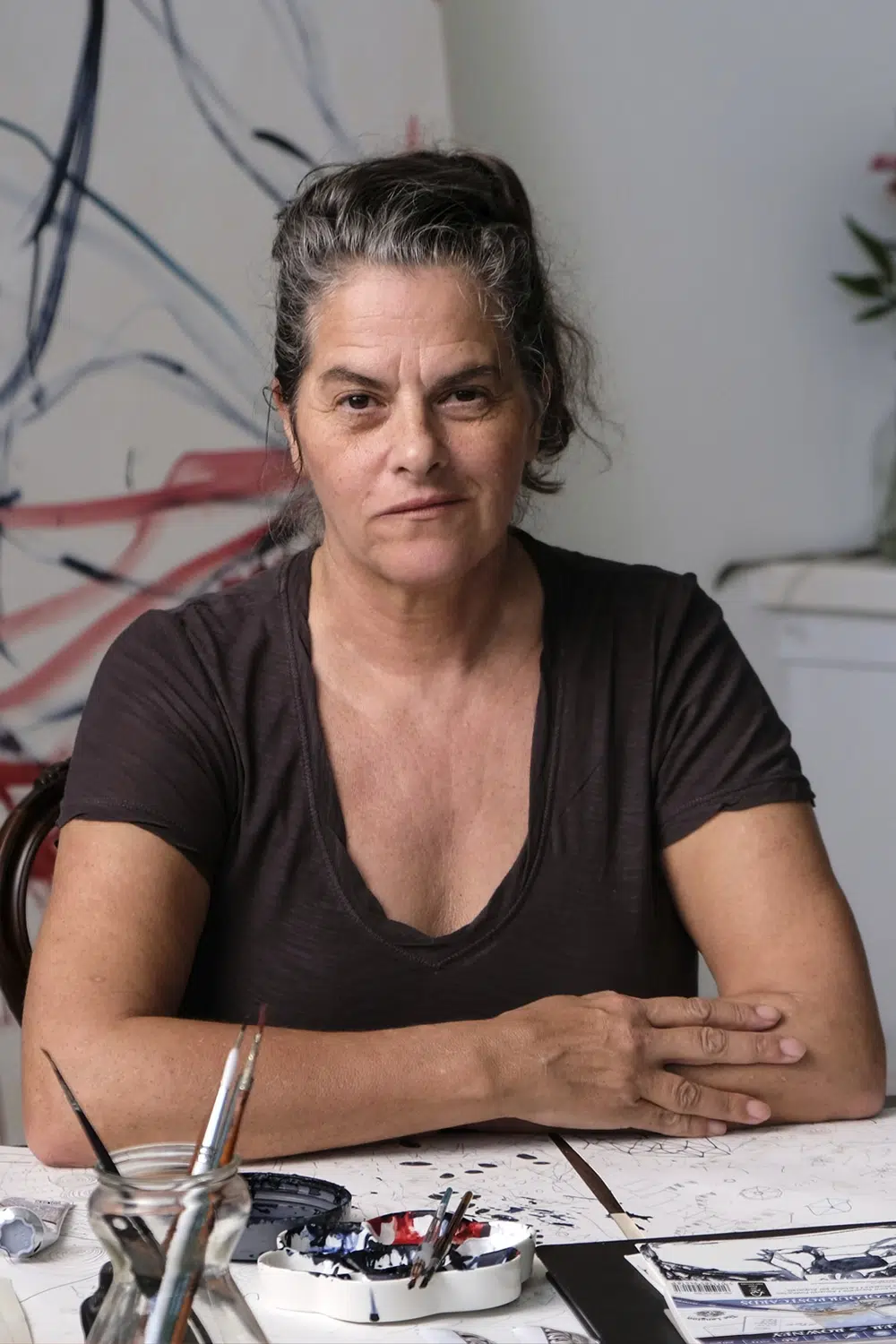
For thirty years Emin has put the most private parts of a woman’s life on gallery walls, from abortion and heartbreak to the unmade bed that scandalised Britain. When bladder cancer and major surgery left her with a stoma, she spoke about and painted it openly. This year A Second Life, the largest retrospective of her career, brought much of her work to Tate Modern, a reminder that nothing a woman lives through is too private to become art. Ahead of the opening, she said:
[A Second Life] will be a benchmark for me. A moment in my life when I look back and go forward. A true celebration of living.
Courtesy of BBC
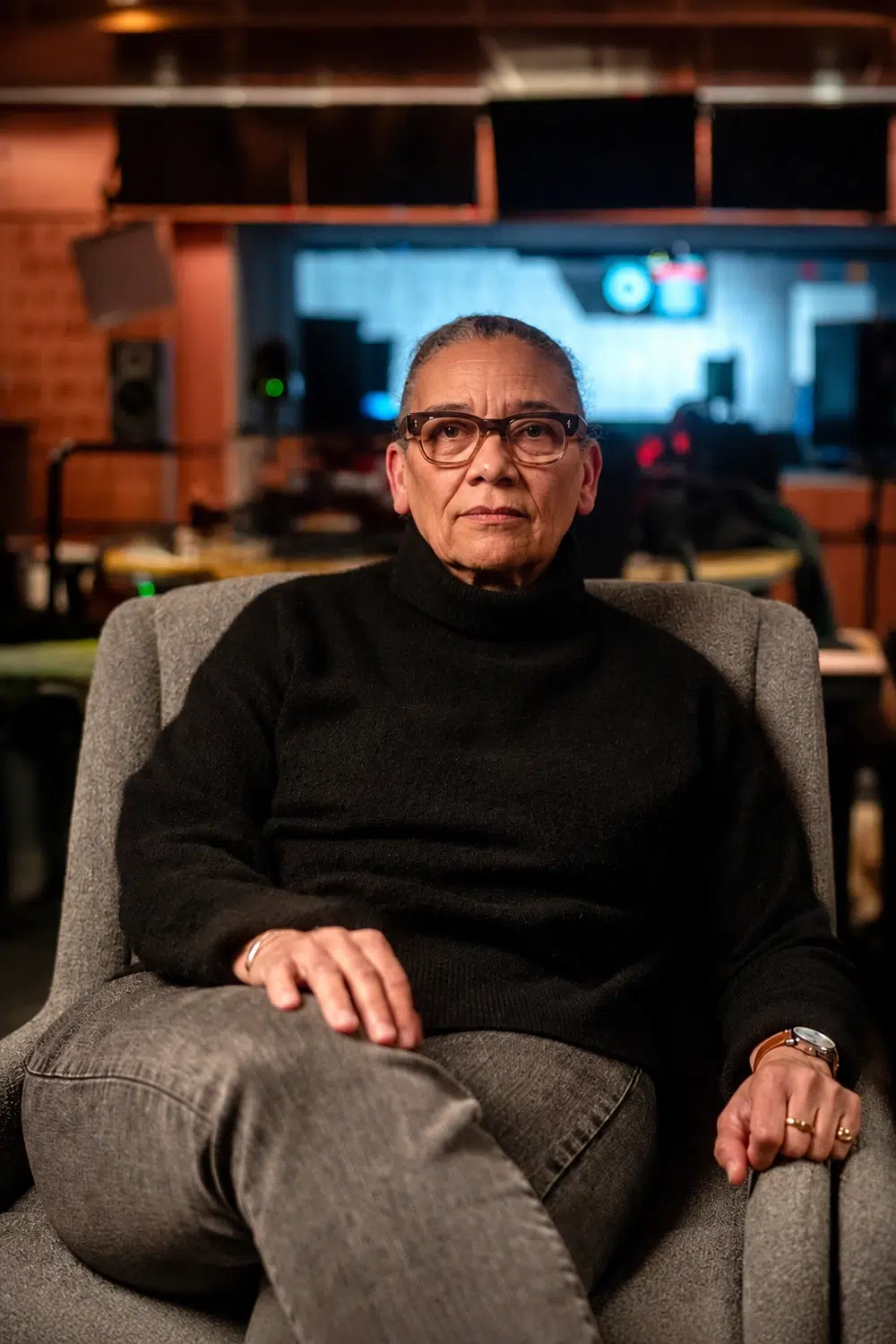
Born in Zanzibar and brought to Britain as a baby, Himid has spent four decades painting the lives history overlooked. In 2017 she became the oldest artist, and the first Black woman, to win the Turner Prize. This year she represented Britain at the Venice Biennale with Predicting History: Testing Translation: bringing her vast, multi-panelled paintings and accompanying soundscape about what it takes to make a home somewhere new. On learning she had been chosen, Himid said:
I laughed out loud with both disbelief and pleasure when I found out about this wonderful invitation to represent Britain at the Venice Biennale in 2026.
Credit: Lisa/
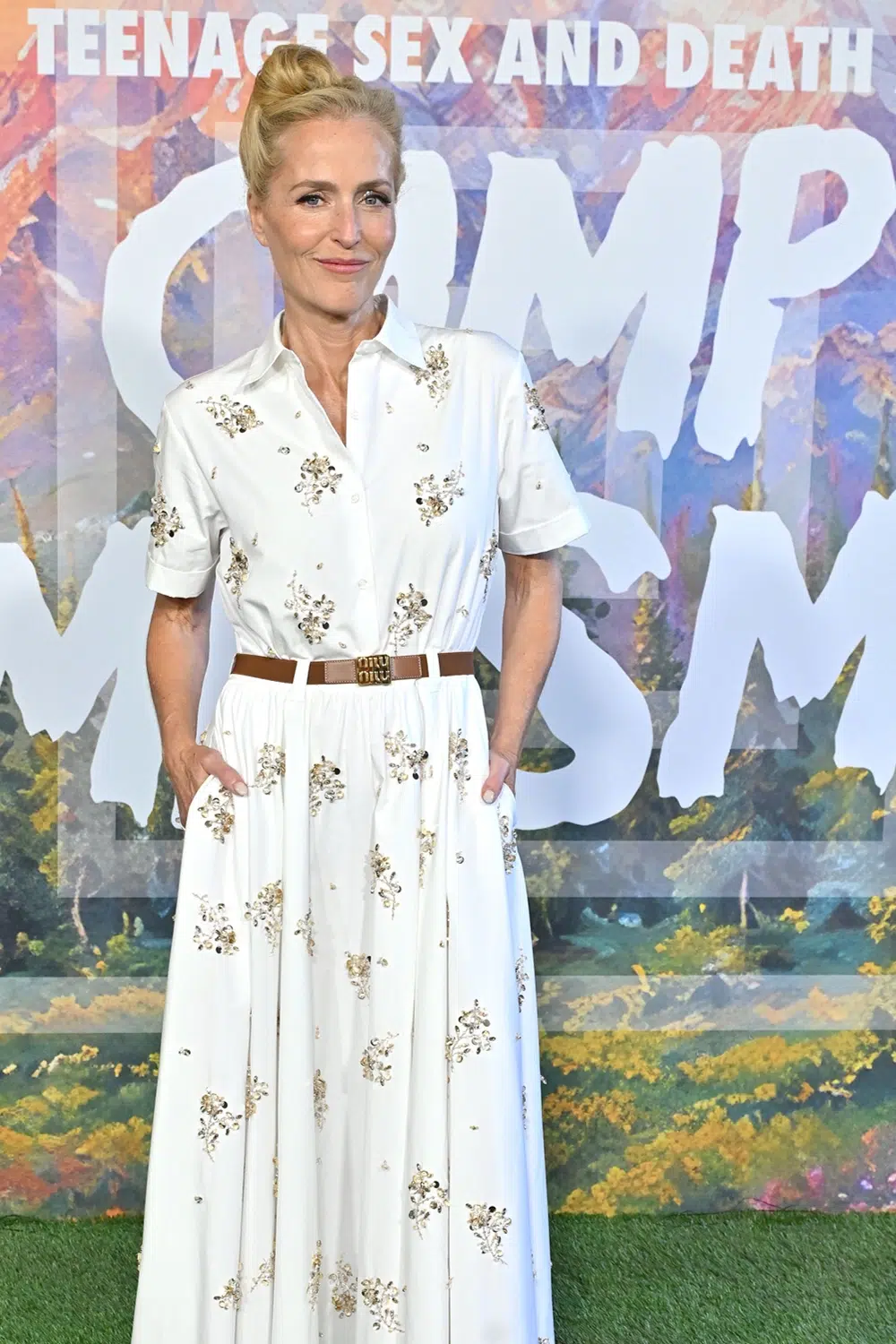
Three decades after The X-Files made her famous, Anderson has become one of the frankest voices on women’s desire, and a shrewd businesswoman with it. This autumn she published More, letters from women aged 18 to 80 in more than 50 countries, pledging £500 for every letter used to Women for Women International and War Child. Then she filled the Eventim Apollo for an open evening on what women want. Meanwhile G Spot, the soft drinks brand she founded in 2023, has sold more than a million cans worldwide and is now stocked in Marks & Spencer.
I don’t get ready; I stay ready
Credit: BBC/
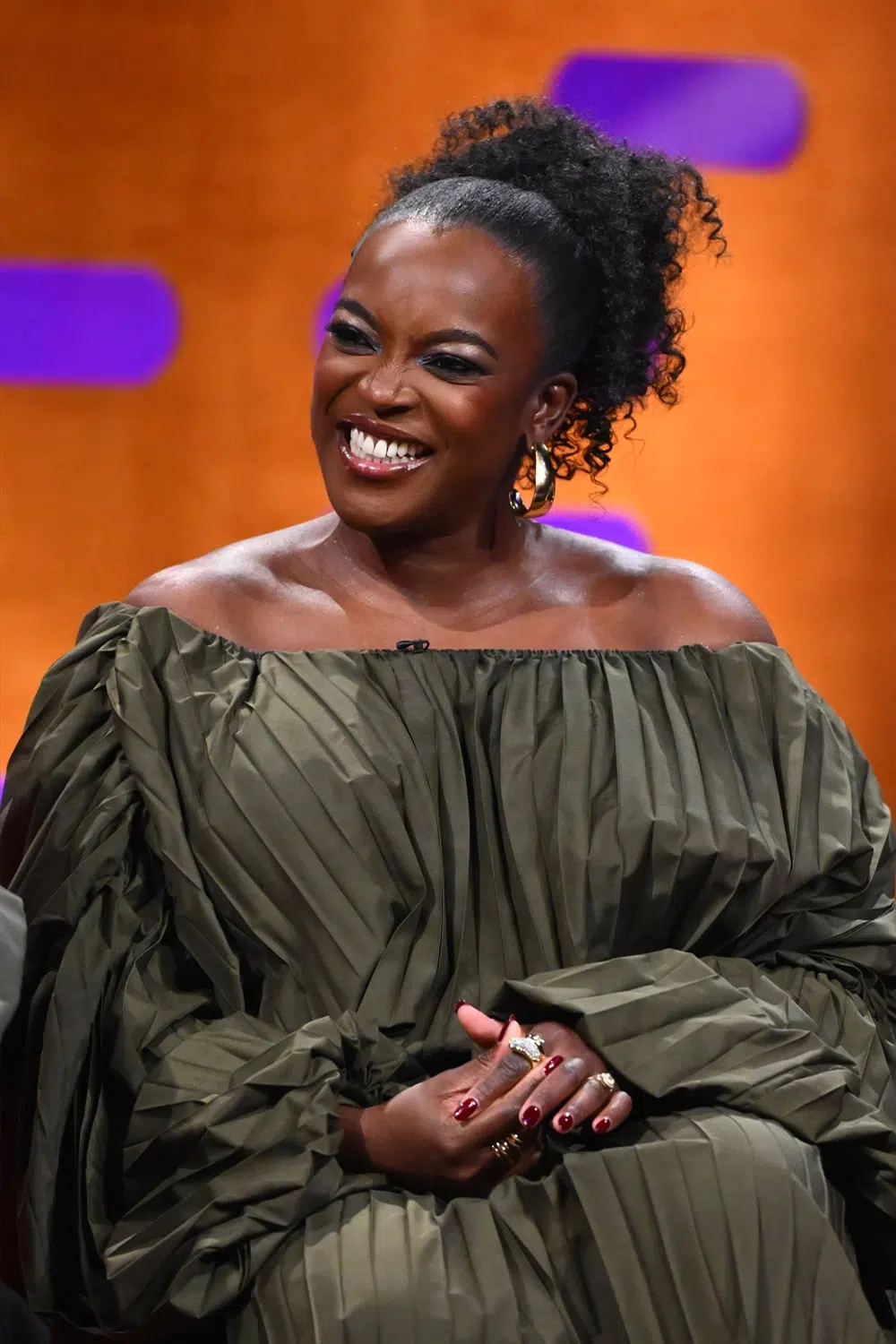
Born in Nigeria and raised in Manchester, Mosaku has built a career on roles with real weight. As Gloria Taylor, the grieving mother in Damilola, Our Loved Boy, she won a TV BAFTA, and she stole scenes in Lovecraft Country and Loki. This year her Annie, the healer at the heart of Ryan Coogler’s Sinners, earned her the BAFTA for Best Supporting Actress and her first Oscar nomination, all while she was expecting her second child and turning 40. Speaking after her BAFTA win, she said:
It always feels good when you walk into a room and you’re not the only one.
At last women’s sport delivered some of the loudest cheers of the year. An Olympic gold decided by four hundredths of a second at an athlete’s fifth Games, a tennis great back on the grass at 44, a marathon runner who at 50 broke a British record by nearly nine minutes, and a powerlifting world champion who didn’t pick up a barbell until her 60s all sent the crowds wild. Between them these women show how bodies that have carried children or entered perimenopause can be the strongest of their lives.
Credit: @dr.barons/
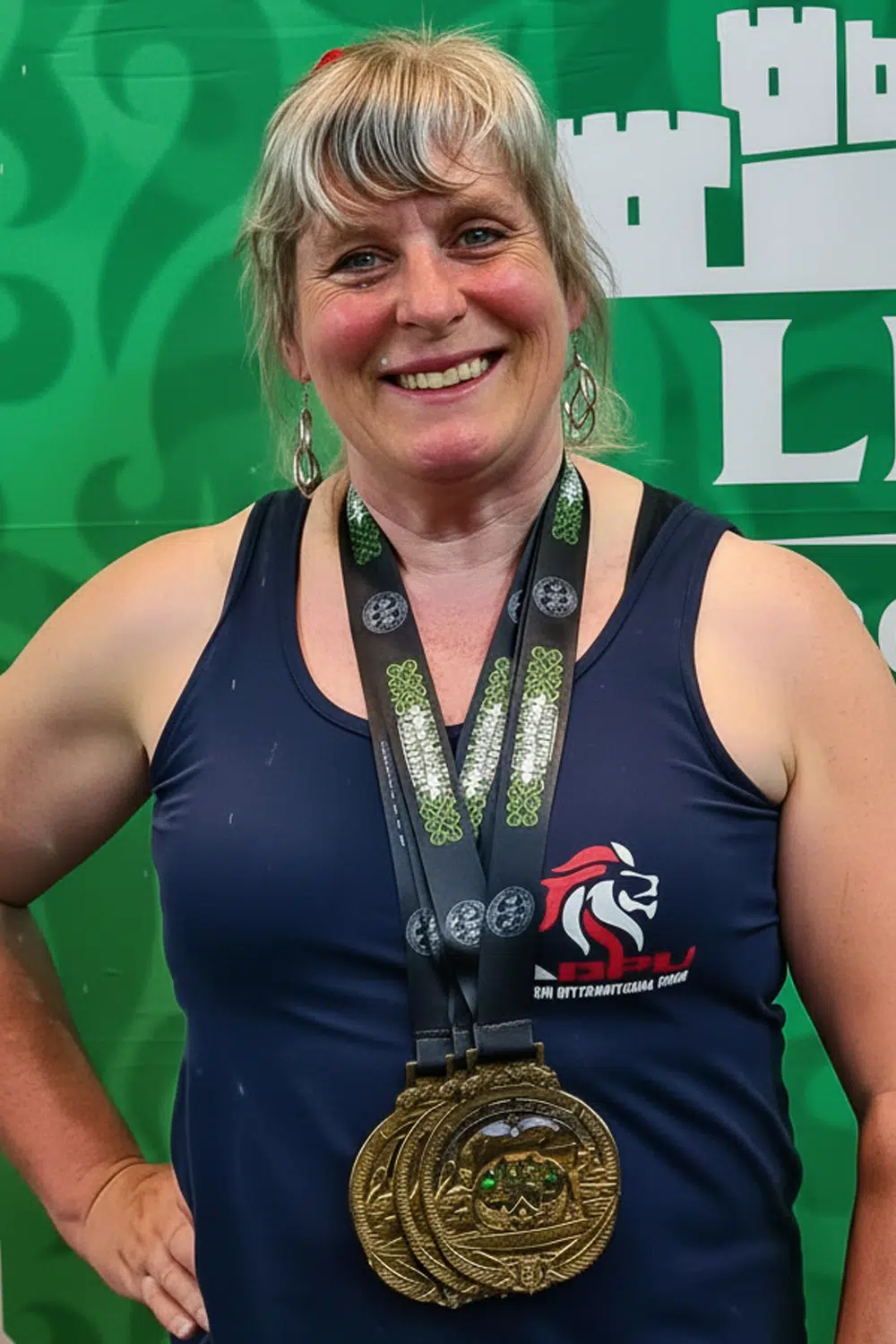
A menopause seminar telling women to run less and lift more sent Barons, a Warwick statistics professor, into the gym in December 2023; within four months she was competitively powerlifting. This September, at 65 and as a four-time world record holder, she won her third world powerlifting title in three years, taking the Masters under-82.5kg class with a 90kg squat and a 140kg deadlift. A mother of three and grandmother of four, she is living proof that strength can be built from scratch at any age, and that the body keeps answering when you ask more of it.
To take up powerlifting later in life and, within just a few years, become a three-time world champion completely challenges the idea that ambition has an age limit.
Sophia Taylor, UKLASH
Credit: James Crombie/
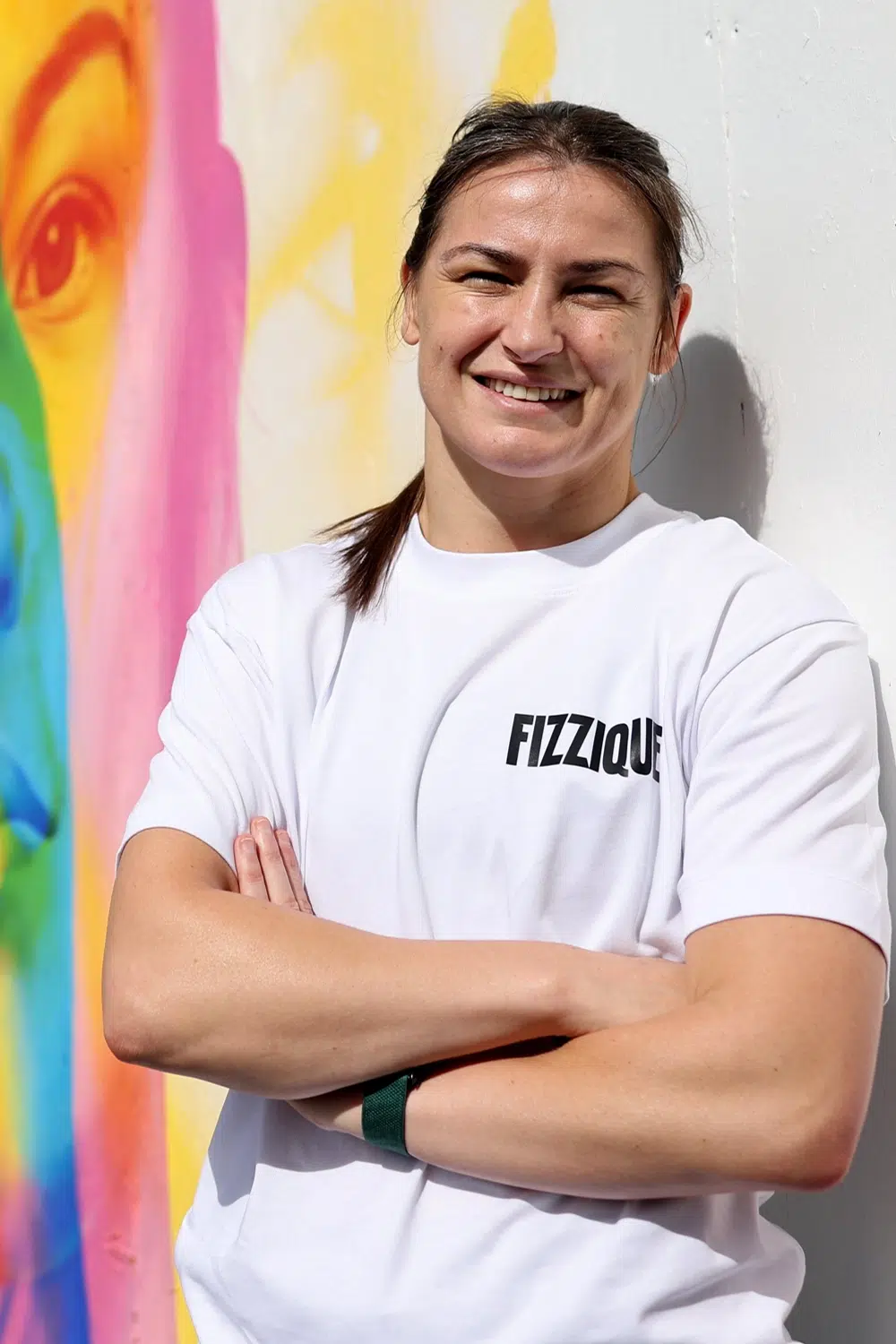
Taylor didn’t just help win the fight for women’s boxing to enter the Olympics: she took gold at London 2012, then built a professional career that filled arenas on both sides of the Atlantic. In September, at 40, she fought for the last time in front of more than 82,000 people, the biggest crowd ever for a boxing card headlined by women. The night reached far beyond Dublin, with more than 150 million impressions online. She won to become undisputed champion once more and retired with 26 wins from 27 fights. After the fight, she said:
This was definitely the highlight of my whole career. Nothing can top this.
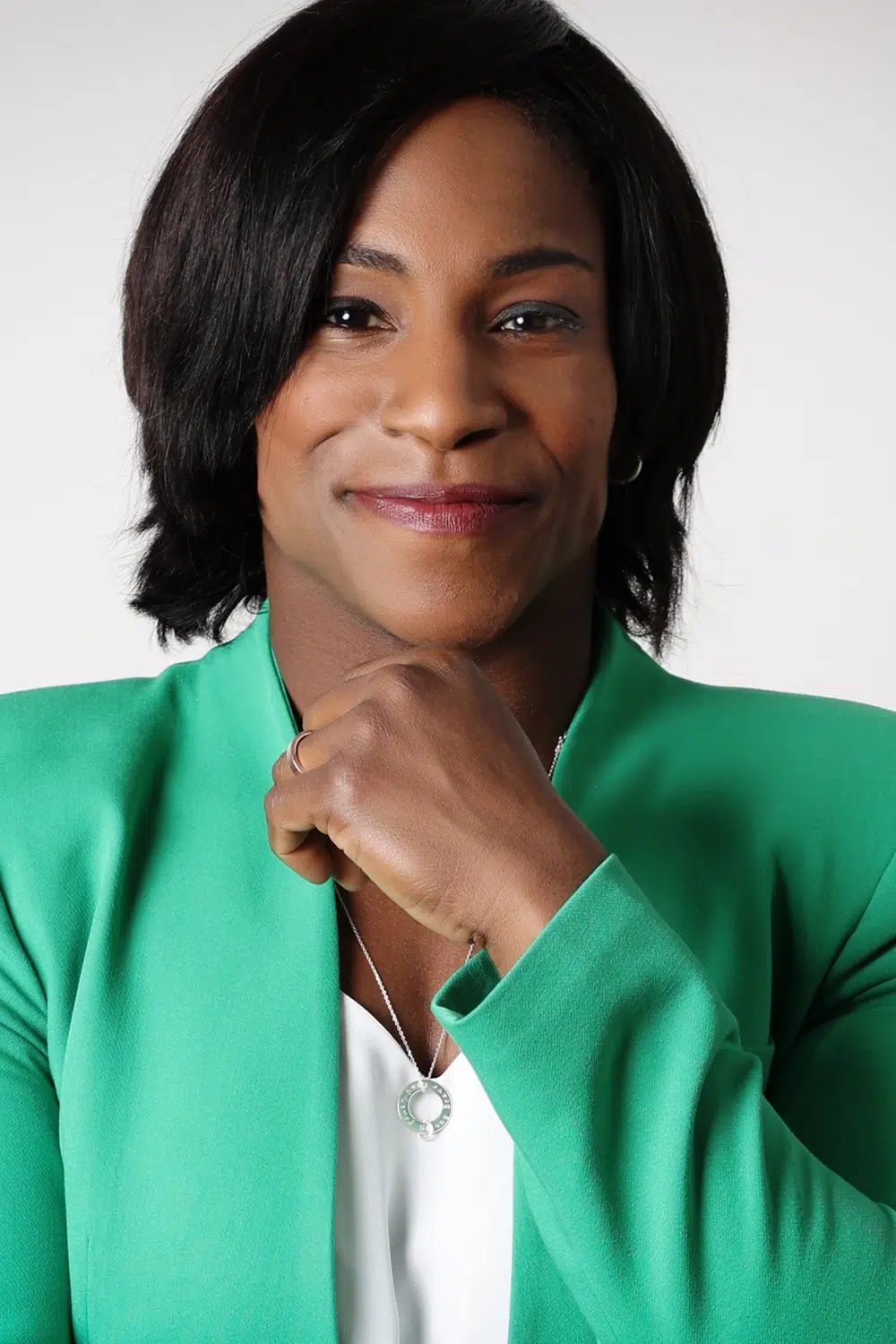
A Rugby World Cup winner turned broadcaster, Alphonsi has spent years making the women’s game unmissable. When an RFU councillor posted discriminatory comments about her during a Six Nations match in March 2026, she made it public, knowing the backlash that might follow. He resigned in June, and when Alphonsi judged his sanction too light, she said so, telling the sport that sexism and misogyny still exist within it.
It needed to be made public, despite the possible backlash I would get. Women deserve to be there and no one should tell them different.
Credit: @elanameyerstaylor/
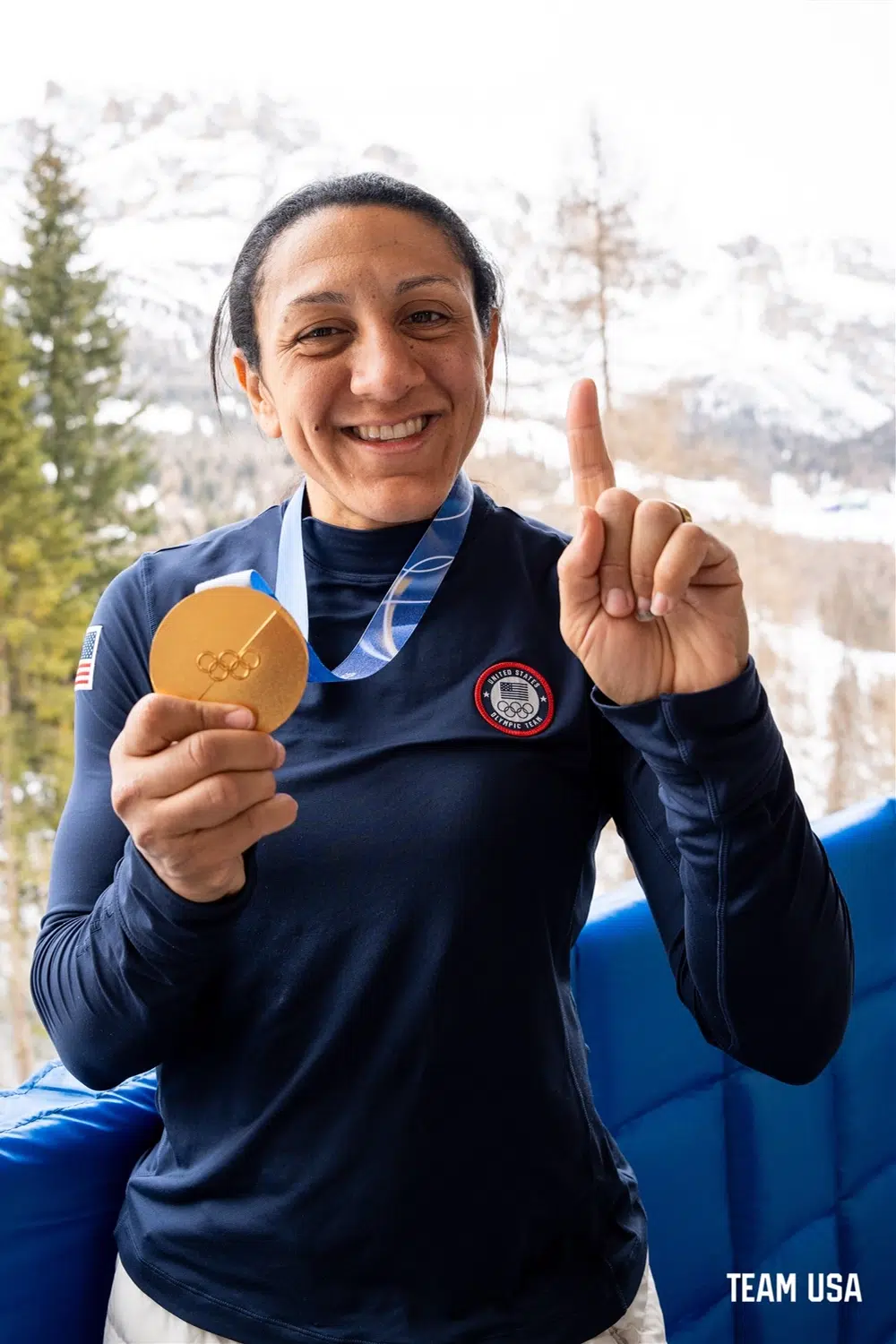
Sixteen years after her Olympic bobsledding debut, Meyers Taylor came to Cortina at 41, for her fifth Games, still chasing the gold that had always eluded her. She won it by four hundredths of a second, the closest women’s bobsleigh finish in Olympic history. A Black woman in a sport that has rarely looked like her, and a mother who has raised her two sons on the road between races, Meyers Taylor continues to show a generation of girls that winter sport has room for them too. After her win, she said:
[I]n six days I’ve got school pickups and drop-offs in the middle of Texas.
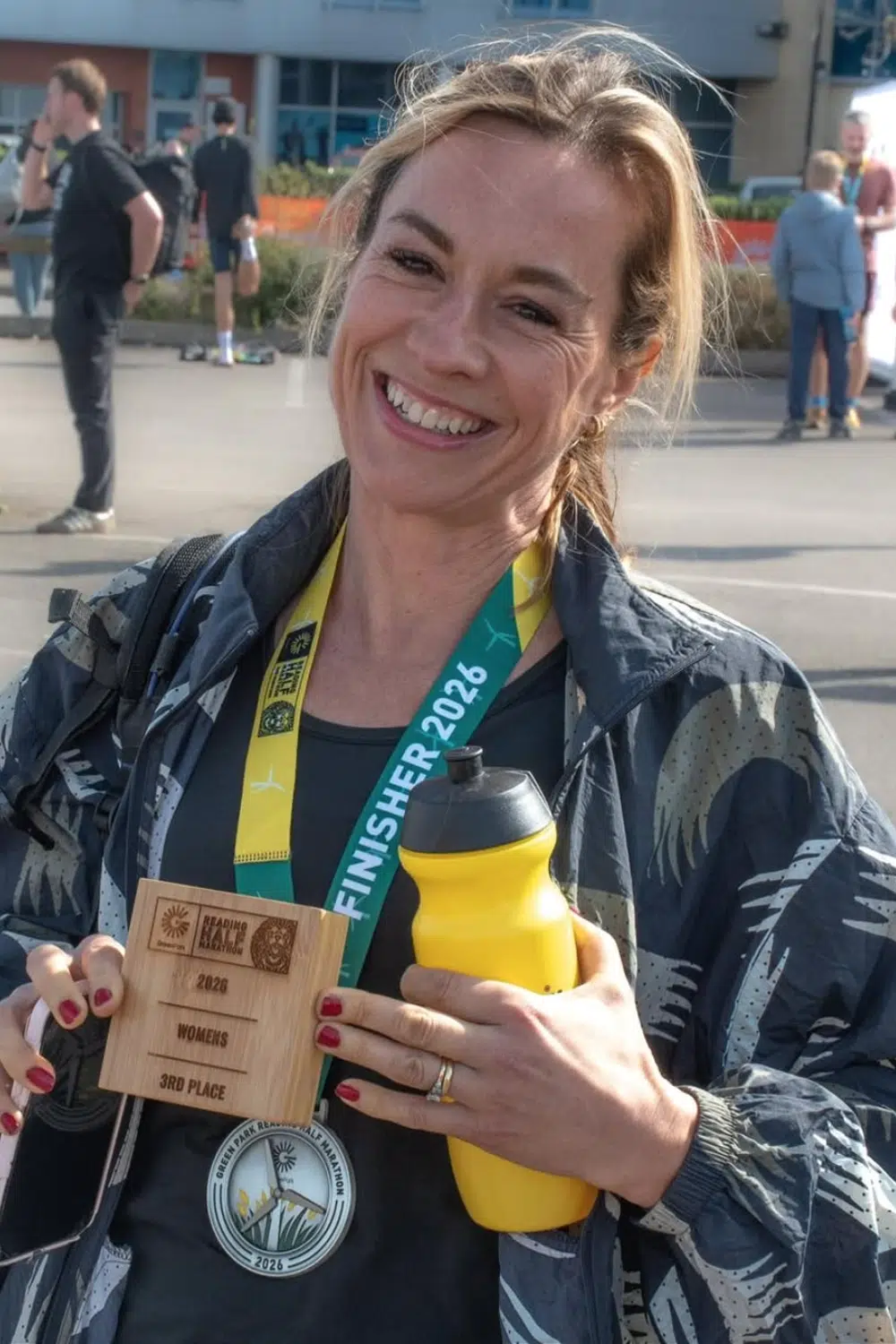
Credit: Ollie Danvers
Thirty years after running for Britain as a junior at the World Cross Country Championships, and now a mother of four, Braham lined up at the London Marathon in April aged 50. She crossed the line in 2:36:25, breaking the British over-50 record by nearly nine minutes. Through her coaching business she now passes what she knows to runners of every age, as living proof that your fastest years can still be ahead of you.
If you’d asked me 20 years ago if I’d be able to run a 2:36 marathon aged 50 and a mum of four, I would have laughed. But here I am feeling stronger, wiser and more confident in my abilities.
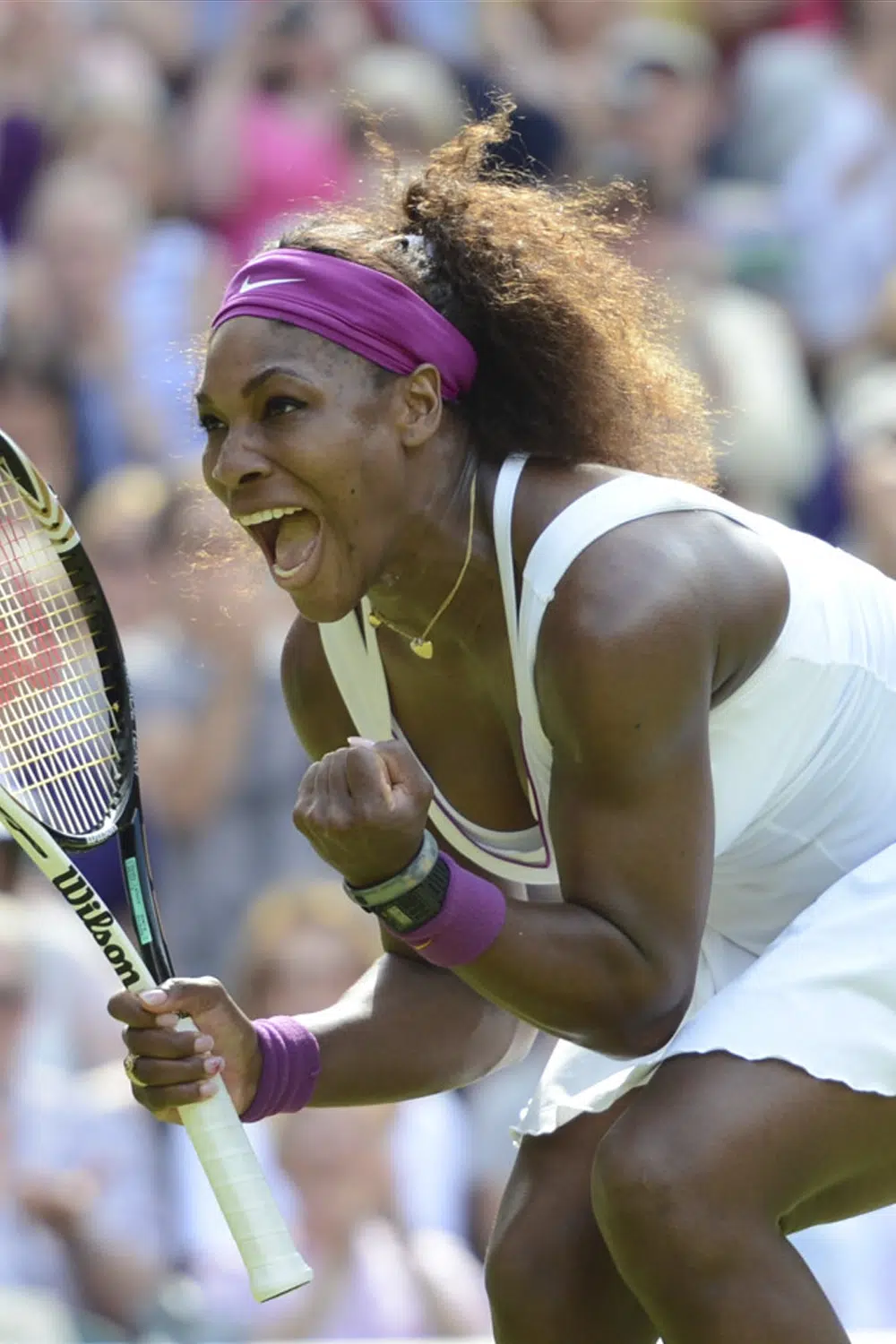
Credit: BBC/
One of tennis’s greatest ever stars, Serena Williams stepped away from the sport in 2022 with 23 Grand Slam singles titles to her name, and seemingly very little else left to prove. In June, at 44 and a mother of two, Williams came back: doubles at Queen’s, a wildcard into Wimbledon singles for the first time in nearly four years, then doubles at the US Open alongside Venus. Not every match went her way, but she showed women everywhere that they can return to what they love whenever they choose. After her Wimbledon return, she said:
I never expected to be here. The atmosphere was amazing. Walking out was amazing. I definitely relished it and missed it and enjoyed the moment more than anything.
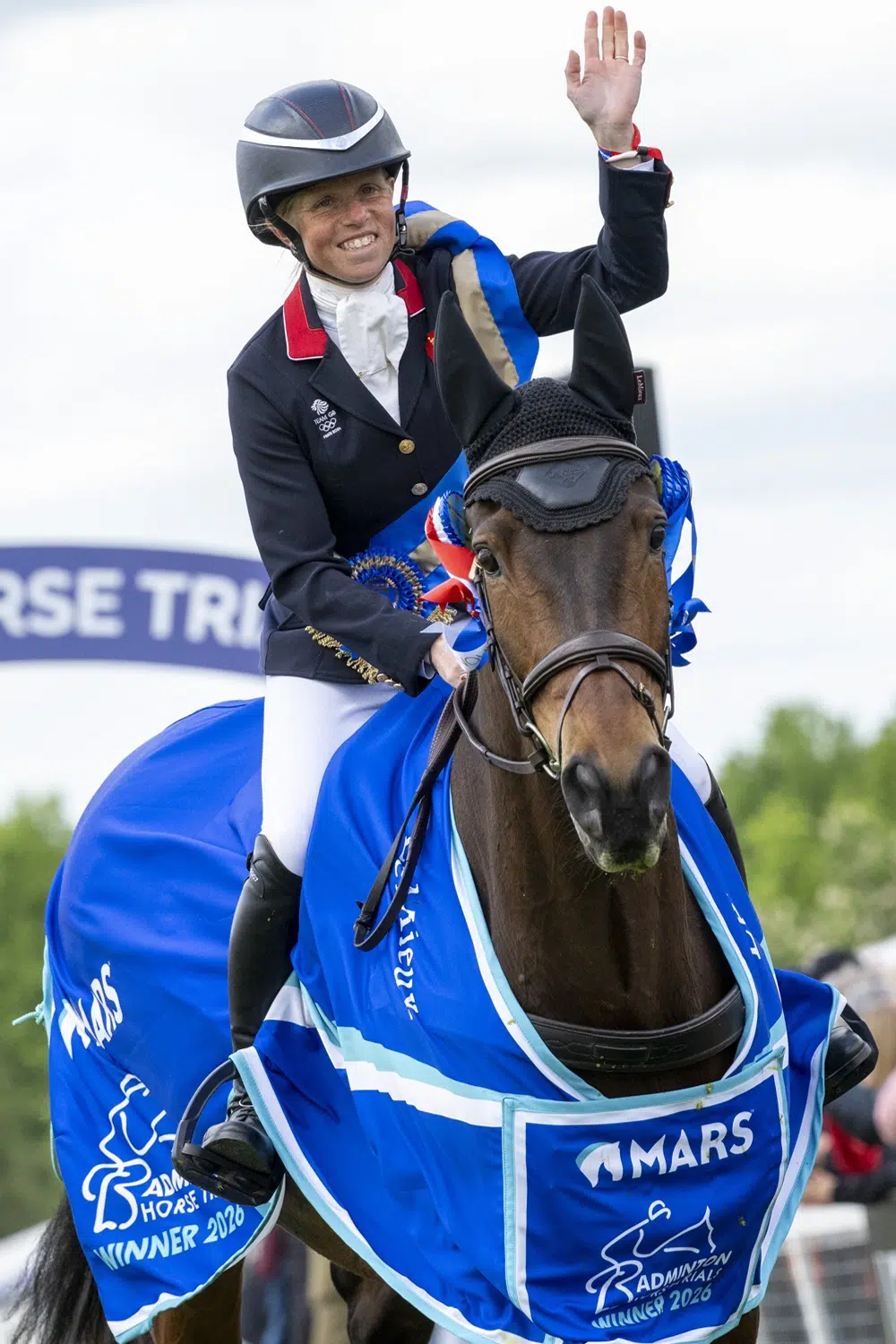
Credit: British Equestrian/
In May Canter, aged 40, became the first horse rider ever to win Badminton three times on the same horse, Lordships Graffalo. In August she helped Britain to team gold at the World Championships in Aachen and took individual silver. The partnership was built over years, as was her renowned mental strength, which she has turned into one of the sharpest weapons in eventing.
Being regularly under pressure on the world sporting stage has made me work hard at my own self-awareness and turning overthinking and self-doubt from a negative to a positive.
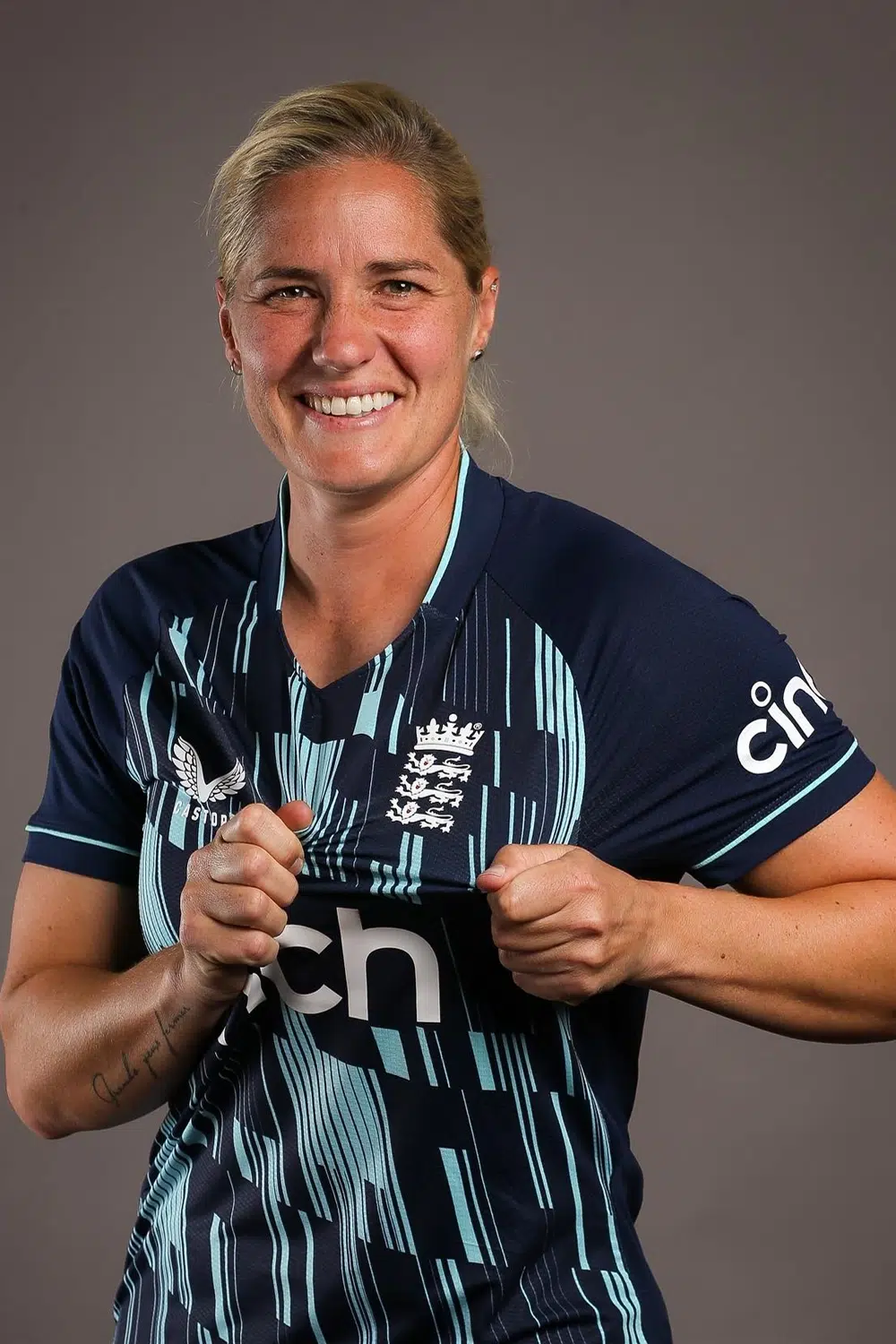
Credit: @KBrunt26/
The cricketer might have retired in 2023 as England’s second-highest wicket-taker in women’s internationals, with 335 wickets and a famously fiery reputation, but this year she came back as someone new: a mum to her son Theo, an OBE, and from July, assistant coach of Trent Rockets, the team her wife Nat Sciver-Brunt still plays for. In her debut season on the other side of the boundary rope, the Rockets won their first Hundred title at Lord’s.
Three years ago I was retired, with a newborn and no idea what came next. This year I got an OBE, a winner’s medal at Lord’s and very little sleep, and I’ve loved every minute. You don’t stop being a competitor when you stop playing; you just find a new way to win.

From a job centre queue to the grass at Wimbledon, these forty women spent the past year proving that experience is the greatest advantage any of us can have. This belief drives everything we do through Power Years. It also sits at the heart of UKLASH’s Never Stop Growing® philosophy, which is why we couldn’t imagine curating our 40 Over 40 listing with any other brand. We’re proud to share these forty women with you, and we hope that somewhere among them you’ll find the one who makes you think, why not me?
Social Impact & Public Life
It takes a particular kind of courage to turn tragic events into campaigns for change. Mothers who lost their daughters persuaded the government to rethink how murder in the home is sentenced. A mother who waited decades for the truth about Hillsborough saw a new law clear the Commons, and a granddaughter helped win a pardon for the last woman hanged in Britain. None of it came quickly, but so much of what these women achieved will protect strangers they’ll never know, which is perhaps the truest measure of all.
Credit: Nick Harvey/Shutterstock
Baroness Valerie
Amos
Valerie Amos has built a career of firsts, from the first Black woman in a British cabinet to the first Black head of an Oxford college. This year she led the national investigation into maternity and newborn care in England. Her final report named racism and discrimination across the system and called for a Maternity Commissioner answerable to Parliament.
Baroness Valerie Amos has shown what powerful leadership looks like when it is used to give women a stronger voice and challenge systems that are failing them.
Sophia Taylor, UKLASH
Margaret
Aspinall
Margaret Aspinall’s son James was 18 when he died at Hillsborough in 1989. She spent the decades that followed fighting for the truth, helping to overturn the original accidental death verdicts and win the finding that the victims were unlawfully killed. This year the Hillsborough Law passed the House of Commons, written so that no family has to fight that long again.
It is very important to me and to so many others to have a Hillsborough Law in all its entirety, to make sure others never go through what we as families have.
Credit: Tayfun Salci/ZUMA Press Wire/Shutterstock
Blaise
Metreweli
Blaise Metreweli joined MI6 in 1999, worked across the Middle East, led MI5’s counterintelligence against hostile states and then ran MI6’s technology division. In October 2025 she became the first woman to take charge of Britain’s foreign intelligence service, with Russia’s war in Ukraine still raging and threats rising at home. Her inaugural public speech set the tone for what future safety looks like in an increasingly complex world: one where the frontline is everywhere, and officers who must be as fluent in code as they are in foreign languages.
I don’t get ready; I stay ready
Credit: Dave Benett/Getty Images
Merope
Mills
Martha Mills was 13 when a fall from her bike damaged her pancreas. During a month in hospital, she developed sepsis, and her family’s warnings that she was getting worse went unheeded. An inquest later found she could have survived with prompt intensive care. Her mother Merope’s campaign led to Martha’s Rule, now in every acute hospital in England. It has been used more than 10,000 times already, leading to 446 changes in care.
What happened to Martha made me realise how incredibly powerless most people are in a medical setting. I wanted to give a voice to the many patients and families who struggle to be heard.
Credit: BBC
Dame Sarah
Mullally
Sarah Mullally became England’s youngest Chief Nursing Officer in 1999, then left the NHS for the priesthood. This year she became the Archbishop of Canterbury, a role never before held by a woman. In her initial major address, she owned the Church’s failures on safeguarding and committed it to independent scrutiny, with victims and survivors at the centre. She has already widened the Church’s voice, leading a House of Lords debate on how AI should be built to serve people.
I don’t get ready; I stay ready
Credit: Stephen Lock/i-Images/Shutterstock
Carole Gould OBE and
Julie Devey OBE
Ellie Gould was 17 and Poppy Devey Waterhouse 24 when each was killed by men they had been in relationships with. Through their action group, Killed Women, their mothers, Carole Gould OBE and Julie Devey OBE, spent seven years campaigning, later joined by Megan Newborough’s mother Elaine, for a knife picked up in the home to count the same as one carried in the street. In June 2026, the government agreed, announcing that the starting point for these murders will rise from 15 to 25 years.
Standing together has meant everything; through the shared loss of our daughters, we have supported one another, represented other bereaved families, and fought together for change in their memory and for the protection of future generations.
Laura
Enston
Ruth Ellis was the last woman to be hanged in Britain, executed in 1955 at the age of 28 for shooting the lover who had abused her. Her granddaughter Laura Enston, alongside Ruth’s grandson Stephen Beard, pressed the government to look again at her case. In July the King granted Ruth a conditional pardon, which the government said recognised a profound injustice.
We can’t change what happened to Ruth, but we can change what we learn from it. I hope her story helps ensure that women’s experiences of domestic abuse are heard, understood and taken seriously.
Stacey
Duguid
Ignored in midlife by recruiters for 16 months, despite her big job at Harrods, Duguid filmed herself walking into a job centre at 52, and by the next day 10,000 women had been in touch with the same story. Now, through Her Encore, she is supporting women over 40 with job search advice, is pushing for AI in recruitment to be regulated and for employers to sign up to a charter against ageism.
By building a community platform where women talk openly and find each other, I hope none ever feels as alone as I did. [...] It’s time for our encore, no matter what everyone else says.